304 Stainless Steel Laboratory Work YR06013-4
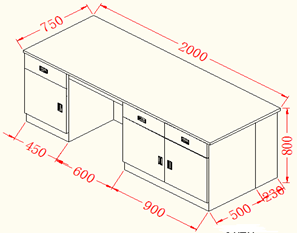
Superficie de trabajo: acero inoxidable 304 #, espesor 12,7 mm con borde doble capa espesada a 25 mm, resistente al ácido fuerte, álcali fuerte, anticorrosión. Gabinete: 1.0mm de espesor de acero inoxidable 304 # Pasarela: 3 secciones Pasarela, sin ruido Pies ajustables: alta resistencia a la corrosión Bisagra: tipo abierto bisagra de alta calidad Mango: acero inoxidable tipo mango brillante Color estándar: acero inoxidable Zócalo: sin suministro
This page provides an overview of the 304 Stainless Steel Laboratory Work Bench YR06013-4, including selection criteria, investment factors, operational advantages and maintenance recommendations. The aim is to support an informed decision before requesting a quotation.
This Kalstein model is available for laboratories in New Zealand, with selection criteria adapted to local purchasing, installation and support conditions.
Key factors to consider
Before selecting the 304 Stainless Steel Laboratory Work Bench YR06013-4, confirm workflow, available space, required accessories and installation conditions. This prevents oversizing the purchase and helps prepare a more accurate quotation.
Its use is oriented to laboratory routines that require observation, control and operational continuity.
For the market in New Zealand, evaluation should consider local context such as Medsafe regulation, dairy and agro research and match the product to the real workload of the laboratory.
Market price range
The investment should be evaluated according to configuration, required accessories, installation conditions and available technical support.
The final price may vary according to configuration, accessories, logistics, warranty and territorial availability. Compare the technical sheet with the real laboratory workload before confirming the investment.
In New Zealand, budget comparison should include Medsafe references, 230V/50Hz power conditions, accessories, logistics and after-sales support.
Value for money
Equipment value depends on operational stability, required accuracy, ease of maintenance and accessory availability.
Value for money should be reviewed together with equipment stability, after-sales support, technical documentation and expected service life. A well-matched selection reduces downtime and improves return on investment.
Advantages and disadvantages
Its use is oriented to laboratory routines that require observation, control and operational continuity.
Main advantages include specialized application, integration with laboratory routines and accessory configuration. Limitations may include installation requirements, user training and preventive maintenance to preserve performance.
Expected lifespan based on use and maintenance
Model Description Size mm (W*D*H) YR06013-1 Stainless steel - Side workbench 1000*750*800mm YR06013-2 Stainless steel - Side workbench 1500*750*800mm YR06013-3 Stainless steel - Side workbench 1800*750*800 YR06013-4 Stainless steel - Side workbench 2000*750*800 YR06013-5 Stainless steel - Side workbench 3000*750*800 YR06013-6 Stainless steel - Corner workbench 1000*1000*800mm YR06013-7 Stainless steel - Sink workbench 950*750*800 mm YR06013-8 Stainless steel - Sink workbench 1200*750*800 YR06013-9 Stainless steel - Wall hanging cabinet 750*350*600 YR06013-10 Stainless steel - Island workbench 1500*1500*800 YR06013-11 Stainless steel - Island workbench 2000*1500*800 YR06013-12 Stainless steel - Island workbench 2500*1500*800 YR06013-13 Stainless steel - Island workbench 3000*1500*800
Service life depends on usage frequency, cleaning, storage, calibration when applicable and adherence to technical recommendations. A structured maintenance plan helps preserve accuracy, safety and operational continuity.
Support and spare-parts availability oriented to New Zealand helps preserve service continuity and plan preventive maintenance without extended downtime.
Specifications table for the 304 Stainless Steel Laboratory Work YR06013-4
304 Stainless Steel Laboratory Work YR06013-4
| Model | Description | Size mm (W*D*H) |
| YR06013-1 | Stainless steel - Side workbench | 1000*750*800mm |
| YR06013-2 | Stainless steel - Side workbench | 1500*750*800mm |
| YR06013-3 | Stainless steel - Side workbench | 1800*750*800 |
| YR06013-4 | Stainless steel - Side workbench | 2000*750*800 |
| YR06013-5 | Stainless steel - Side workbench | 3000*750*800 |
| YR06013-6 | Stainless steel - Corner workbench | 1000*1000*800mm |
| YR06013-7 | Stainless steel - Sink workbench | 950*750*800 mm |
| YR06013-8 | Stainless steel - Sink workbench | 1200*750*800 |
| YR06013-9 | Stainless steel - Wall hanging cabinet | 750*350*600 |
| YR06013-10 | Stainless steel - Island workbench | 1500*1500*800 |
| YR06013-11 | Stainless steel - Island workbench | 2000*1500*800 |
| YR06013-12 | Stainless steel - Island workbench | 2500*1500*800 |
| YR06013-13 | Stainless steel - Island workbench | 3000*1500*800 |
Frequently Asked Questions about the 304 Stainless Steel Laboratory Work YR06013-4
How do I choose the right 304 Stainless Steel Laboratory Work YR06013-4 for my laboratory?
Selection should start from workload, critical technical parameters, available space and frequency of use. Kalstein can support the comparison between operational needs, budget and maintenance requirements to avoid choosing equipment that is oversized or insufficient.
What should I review before requesting a quotation?
Review the model, technical specifications, required accessories, electrical conditions, consumables, delivery timing and installation needs. With this information, the quotation can be prepared more accurately and aligned with the laboratory workflow.
Does Kalstein provide guidance for this type of equipment?
Yes. The commercial and technical team can support product evaluation, explain differences between models, answer application questions and advise on preventive maintenance, spare parts and documentation required for a secure purchase.
What maintenance helps extend the equipment lifespan?
Follow the manufacturer manual, perform regular cleaning, verify calibrations or controls when applicable, avoid workload abuse and keep maintenance records. Stable use and preventive routines reduce failures and improve operational continuity.