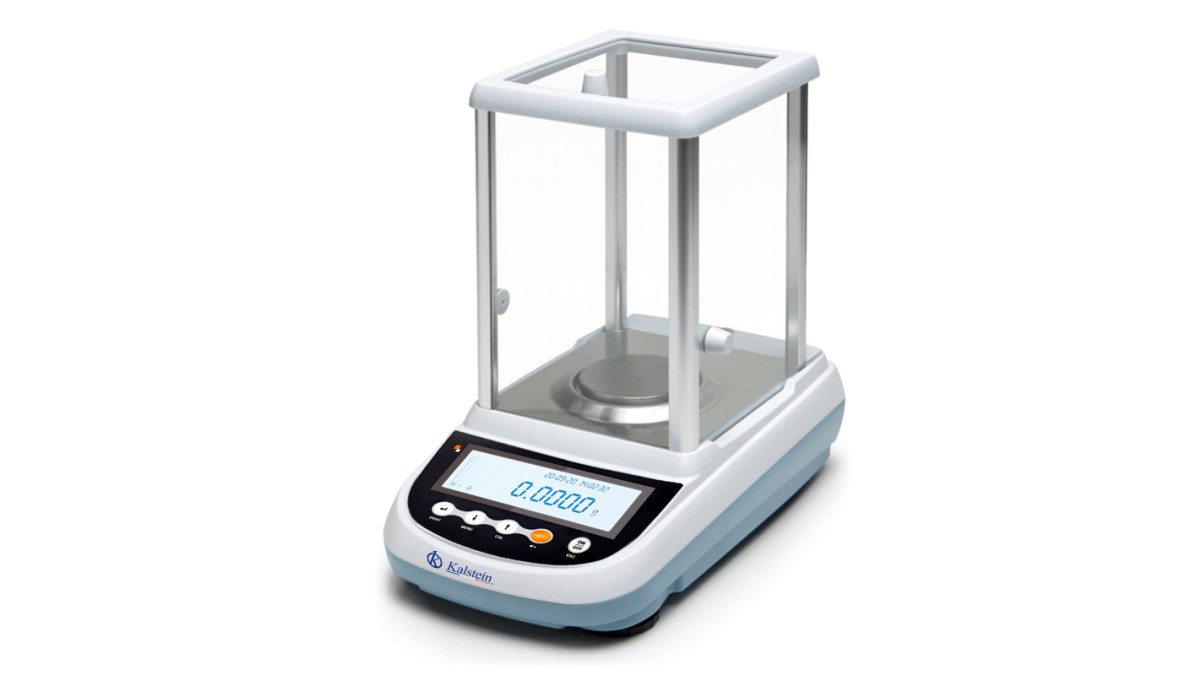
Analytical Balances: Practical Applications and Techniques 2026
Analytical balances are crucial instruments in laboratories across various sectors, including research, biotechnology, and academia. As precision measurement tools, they offer unparalleled accuracy and reliability, making them essential for tasks ranging from simple weight measurement to complex experimental setups. This article aims to guide laboratory professionals on the uses, techniques, and best practices associated with analytical balances.
What is it used for in 2026
In 2026, analytical balances are primarily used for measuring small quantities of substances with high precision. Their applications span various fields, including:
- Research Laboratories: For precise formulation of chemical solutions, weighing reagents, and conducting experiments that require accurate mass measurements.
- Biotechnology: In the formulation of cell cultures and the preparation of samples for molecular analysis.
- Pharmaceuticals: Essential in the preparation of medications, ensuring dosage accuracy and compliance with regulatory standards.
- Academia: Used in educational settings for teaching measurement techniques and laboratory skills.
History and evolution of the technology
The analytical balance has a rich history dating back to the 18th century. Initially, balances were simple beam scales, but advancements in technology led to the development of more sophisticated models. The introduction of electronic components in the late 20th century revolutionized the field, allowing for:
- Higher Precision: Modern analytical balances can measure to 0.1 mg or better, making them suitable for tasks that require extreme accuracy.
- Internal Calibration: Many models now feature automatic internal calibration systems, ensuring ongoing accuracy without user intervention.
- Data Management: Latest balances integrate data logging and USB connectivity, enabling seamless integration with laboratory information management systems (LIMS).
How to use it step by step
Using an analytical balance effectively involves several key steps:
- Preparation: Ensure the balance is placed on a stable, vibration-free surface. Allow it to warm up for at least 30 minutes.
- Calibration: Perform internal calibration if applicable. Follow the manufacturer’s instructions to ensure accuracy.
- Tare the Balance: Place the empty container or weighing paper on the balance and tare it to zero.
- Weigh the Sample: Carefully add the sample to the container. Close any doors to prevent air currents from affecting measurements.
- Record the Measurement: Wait for the stability indicator to confirm the reading, and then document the weight displayed.
- Post-Use Cleanup: Remove the sample and container, clean the balance surface, and cover it to protect against dust and debris.
Best techniques and protocols
When using analytical balances, adhering to best practices and techniques is paramount for achieving optimal results:
- Environmental Control: Conduct measurements in a controlled environment, free from drafts, vibrations, and temperature fluctuations.
- Sample Handling: Use tweezers or gloves to handle samples to avoid contamination or moisture absorption.
- Regular Calibration: Schedule regular calibration checks, according to the manufacturer’s recommendations, to maintain accuracy.
- Use of Appropriate Containers: Always use containers that are suitable for the balance's measurement range and tare them correctly.
- Training: Ensure that all users are adequately trained on the operation of the balance and the importance of proper techniques.
Practical applications by laboratory type
Analytical balances find application across various laboratory types, each with specific requirements and methodologies:
- Chemical Laboratories: Used for formulating reagents and chemicals with precision, ensuring the correct proportions for experiments.
- Biotech Labs: Essential for weighing biomaterials and preparing samples for analysis, ensuring accuracy in critical experiments.
- Pharma Labs: Critical in drug formulation and quality control, facilitating compliance with stringent industry regulations.
- Educational Institutions: Used to teach students about measurement techniques, promoting hands-on experience with precision equipment.
Regulations, standards and certifications
Compliance with regulations and standards is crucial when using analytical balances, particularly in regulated environments like pharmaceuticals and biotechnology. Key guidelines include:
- ISO 9001: Standards for quality management systems, ensuring consistent quality in laboratory processes.
- GMP (Good Manufacturing Practice): Regulations outlining the standards for production and testing of pharmaceuticals.
- ISO 17025: Standards for testing and calibration laboratories, ensuring they operate competently and generate valid results.
- FDA Regulations: Specific requirements for the use of analytical balances in drug production in the United States.
Comparison with alternative technologies
While analytical balances are critical for precision weighing, other technologies also exist. A comparison of analytical balances with these alternatives includes:
| Technology | Best for | Accuracy | Use Case |
|---|---|---|---|
| Analytical Balance | High precision measurements | 0.1 mg and better | Laboratory research, pharmaceuticals |
| Top-loading Balance | General weighing tasks | 0.01 g | Less critical applications |
| Moisture Analyzers | Determining moisture content | Varies | Food and chemical industries |
| Microbalance | Ultra-precise measurements | 0.001 mg | Nanotechnology, specialized research |
Comparison of available models
| Model | Best for | Key specs | Recommended use case |
|---|---|---|---|
| YR05568 | General laboratory applications | Capacity: 220g, Resolution: 0.1 mg | Weighing chemicals for experiments |
| YR05569 | Laboratory research and education | Capacity: 310g, Resolution: 0.1 mg | Teaching measurement techniques |
| YR05570 | Precision measurements in biotech | Capacity: 410g, Resolution: 0.1 mg | Weighing samples for analysis |
| YR05571 | Pharmaceutical preparations | Capacity: 510g, Resolution: 0.1 mg | Formulating drug dosages |
| YR05572 | High-precision applications | Capacity: 610g, Resolution: 0.1 mg | Critical measurement tasks |
| YR05573 | High precision jewelry weighing | Capacity: 100g, Resolution: 0.0001g | Accurate weighing of precious materials |
Common mistakes and how to avoid them
Laboratory professionals often encounter common pitfalls when using analytical balances. Here are some mistakes to avoid:
- Neglecting Calibration: Users should regularly calibrate balances to maintain accuracy. Set a schedule to ensure this is done consistently.
- Ignoring Environmental Factors: Measurements should be taken in stable environments. Avoid using balances in areas with drafts, vibrations, or temperature fluctuations.
- Poor Sample Handling: Always use appropriate tools when handling samples to avoid contamination or loss of material.
- Overloading the Balance: Be mindful of the balance's capacity and avoid exceeding it to prevent damage.
Maintenance, calibration and good practices 2026
Proper maintenance and calibration of analytical balances are vital for sustained performance. Recommended practices include:
- Daily Inspection: Check the balance for cleanliness and functionality before use.
- Periodic Calibration: Implement a regular calibration schedule based on usage frequency and according to the manufacturer’s guidelines.
- Cleanliness: Keep the balance clean from spills and dust. Use appropriate cleaning materials and avoid abrasive substances.
- Stable Environment: Ensure the balance is in a vibration-free and draft-free area to maintain measurement accuracy.
Cost-benefit analysis 2026
Investing in analytical balances can be significant; however, the cost-benefit analysis shows their value:
- Precision vs. Cost: The high precision offered by analytical balances often translates to improved research quality and reliability, justifying their cost.
- Efficiency Gains: Faster and more accurate measurements lead to increased productivity, reducing time spent on re-work due to measurement errors.
- Regulatory Compliance: Investing in quality balances helps ensure compliance with industry standards, which can save costs associated with penalties or product recalls.
- Long-term Reliability: Quality analytical balances have longer lifespans, decreasing the frequency of replacement and maintenance costs over time.
Frequently asked questions
What should I consider when selecting an analytical balance?
When choosing an analytical balance, consider factors such as capacity, resolution, internal calibration features, and your specific laboratory requirements. Ensure the balance meets the precision necessary for your applications.
How often should I calibrate my analytical balance?
Calibration should be performed regularly, typically every month or after significant changes in environmental conditions. Establish a routine based on the frequency of use and manufacturer recommendations.
Can I use an analytical balance for weighing liquids?
While analytical balances can measure liquids, it is best to use a suitable container. Ensure the container is tared before adding the liquid to maintain accuracy.
What is the difference between an analytical balance and a top-loading balance?
Analytical balances offer higher precision (0.1 mg or better) compared to top-loading balances, which are generally less accurate, making analytical balances more suitable for critical applications.
How can I maintain my analytical balance for optimal performance?
Maintain your analytical balance by keeping it clean, performing regular calibrations, avoiding overloading, and placing it in a controlled environment free from drafts and vibrations.
What are the typical uses of analytical balances in research?
In research, analytical balances are used for accurately measuring chemicals, formulating solutions, and ensuring that experiments meet precise standards, which are crucial for reliable results.
How does humidity affect the performance of analytical balances?
Humidity can affect the accuracy of measurements. Excess moisture can lead to sample absorption or degradation, so it is vital to operate analytical balances in a controlled environment with stable humidity levels.
If you are looking for a fusion of innovation and quality, you have come to the right place. At Kalstein, we offer you the luxury of exploring our exclusive catalog of laboratory equipment. We manufacture every device to the highest standards of excellence. Our intuitive and seamless online purchasing channels are designed for your convenience, securing the most competitive prices. Hesitate no longer — we bring science to life, it is time to become part of our community.