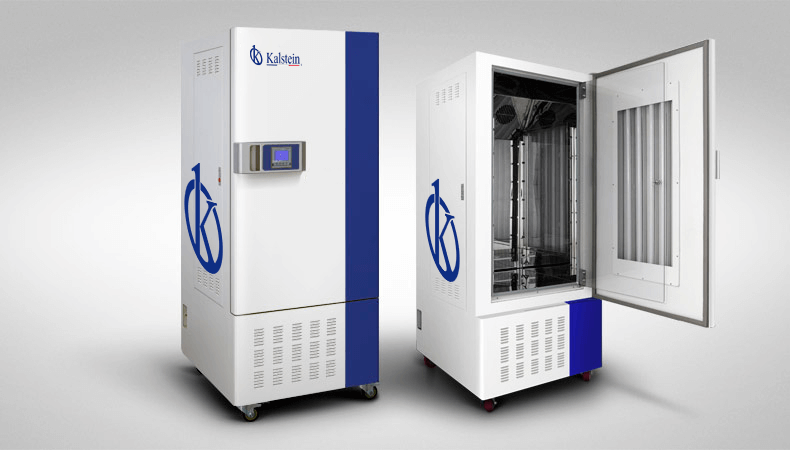
Artificial Climate Chambers: A Practical Step-by-Step Guide for 2026
What is it used for in 2026
Artificial climate chambers are essential tools in laboratories for simulating environmental conditions to study the effects of various factors on biological and chemical processes. These chambers provide controlled temperature, humidity, light, and airflow, making them ideal for applications such as plant growth experiments, biological tissue analysis, and small animal studies. In 2026, their usage has expanded to incorporate advanced programming capabilities, allowing for more intricate and long-term studies.
History and evolution of the technology
The evolution of artificial climate chambers dates back several decades, with significant advancements in technology enhancing their functionality. Initially, the chambers were simple boxes with limited controls. However, with the development of microprocessor technology and improved cooling systems, modern chambers now feature sophisticated PID controllers, precise environmental control, and energy-saving designs. This evolution has made them invaluable in research and development across various sectors, including agriculture, pharmaceuticals, and environmental science.
How to use it step by step
Using an artificial climate chamber involves several key steps to ensure optimal conditions for your experiments:
- Setup: Place the chamber in a stable, vibration-free environment away from direct sunlight and drafts.
- Configuration: Set the desired temperature, humidity, and light parameters based on your experimental requirements.
- Calibration: Calibrate sensors to ensure accuracy in measurements.
- Loading Samples: Carefully load your samples or cultures into the chamber, avoiding overcrowding.
- Monitoring: Continuously monitor the environmental conditions using the built-in display or external sensors.
- Data Logging: Use the chamber’s data logging features to record conditions and experiment progress.
- Post-Experiment Analysis: After the experiment, analyze your data and ensure all materials are properly disposed of or archived.
Best techniques and protocols
Implementing best practices in artificial climate chambers can greatly influence the success of your experiments. Here are some recommended techniques:
- Regularly calibrate and maintain sensors to ensure consistent performance.
- Use appropriate containers for samples to prevent contamination.
- Program the chamber for gradual changes in environmental conditions to avoid shock to the samples.
- Establish control groups that are not exposed to experimental conditions for comparison.
- Document all settings and results meticulously for future reference.
Practical applications by laboratory type
Different laboratory types utilize artificial climate chambers for a variety of applications, such as:
- Research Laboratories: Used for long-term studies on plant growth and development.
- Pharmaceutical Laboratories: Ideal for testing drug formulations under controlled conditions.
- Biological Laboratories: Facilitate the study of cellular responses to varying environmental factors.
- Agricultural Research: Assess the effects of climate on crop yield and quality.
Regulations, standards and certifications
Compliance with regulations and standards is crucial. Common certifications and guidelines include:
- ISO 9001 for quality management systems.
- Good Laboratory Practice (GLP) guidelines for laboratory studies.
- Safety standards from local and international health organizations.
- Energy efficiency certifications, which are increasingly important in modern labs.
Comparison with alternative technologies
While artificial climate chambers are widely used, alternative technologies include:
- Growth Cabinets: Often used for shorter experiments, with less complex control systems.
- Environmental Test Chambers: Typically offer broader ranges of temperature and pressure but may lack the precision for biological studies.
Comparison of available models
| Model | Best for | Key specs | Recommended use case |
|---|---|---|---|
| YR05347 | Long-term biological experiments | Temperature range: 10~65 °C, Humidity: 50~90% RH | Ideal for tissue and cell culture studies. |
| YR05348 | Plant growth studies | Temperature range: 10~65 °C, Humidity: 50~90% RH | Best for experiments requiring precise light control. |
| YR05349 | Small animal research | Temperature range: 10~65 °C, Humidity: 50~90% RH | Suitable for studies on small animal behavior under controlled conditions. |
Common mistakes and how to avoid them
Avoiding common pitfalls can enhance the effectiveness of using artificial climate chambers:
- Neglecting regular maintenance can lead to inaccurate readings.
- Overloading the chamber with too many samples can affect airflow and conditions.
- Failing to document experimental conditions can hinder reproducibility.
Maintenance, calibration and good practices 2026
To ensure longevity and accuracy of artificial climate chambers, follow these maintenance practices:
- Conduct monthly calibrations of temperature and humidity sensors.
- Clean the interior surfaces regularly to prevent contamination.
- Check and replace filters as needed to maintain optimal airflow.
Cost-benefit analysis 2026
Investing in artificial climate chambers offers numerous benefits, including:
- Precision in experimental conditions leading to reliable results.
- Long-term savings through energy-efficient models.
- Versatility in applications across various research fields.
While the initial investment may be significant, the potential for high-quality research outputs justifies the cost.
Frequently asked questions
How do I choose the right model for my laboratory?
Consider the specific requirements of your experiments, such as temperature range, humidity levels, and the types of samples you will be using. Each model offers unique specifications that cater to different research needs.
What are the common applications of artificial climate chambers?
These chambers are commonly used for plant growth studies, drug formulation testing, and biological research involving tissue and cell cultures.
How often should maintenance be performed?
Regular maintenance should be conducted monthly, including calibrations and cleaning to ensure optimal performance.
Can I use multiple chambers simultaneously?
Yes, utilizing multiple chambers can enhance experimental capabilities by allowing simultaneous studies under different conditions.
What safety measures should I follow when using climate chambers?
Ensure that all safety protocols are followed, including proper ventilation, use of personal protective equipment, and adherence to chemical handling guidelines.
How do I program the environmental conditions for my experiments?
Most modern climate chambers come equipped with user-friendly interfaces that allow you to set specific temperature, humidity, and lighting conditions. Refer to the user manual for detailed instructions.
Where can I find reliable information on the best practices for using climate chambers?
Consult scientific literature, manufacturer guidelines, and relevant regulatory standards for comprehensive information on best practices.
If you are looking for a fusion of innovation and quality, you have come to the right place. At Kalstein, we offer you the luxury of exploring our exclusive catalog of laboratory equipment. We manufacture every device to the highest standards of excellence. Our intuitive and seamless online purchasing channels are designed for your convenience, securing the most competitive prices. Hesitate no longer — we bring science to life, it is time to become part of our community.