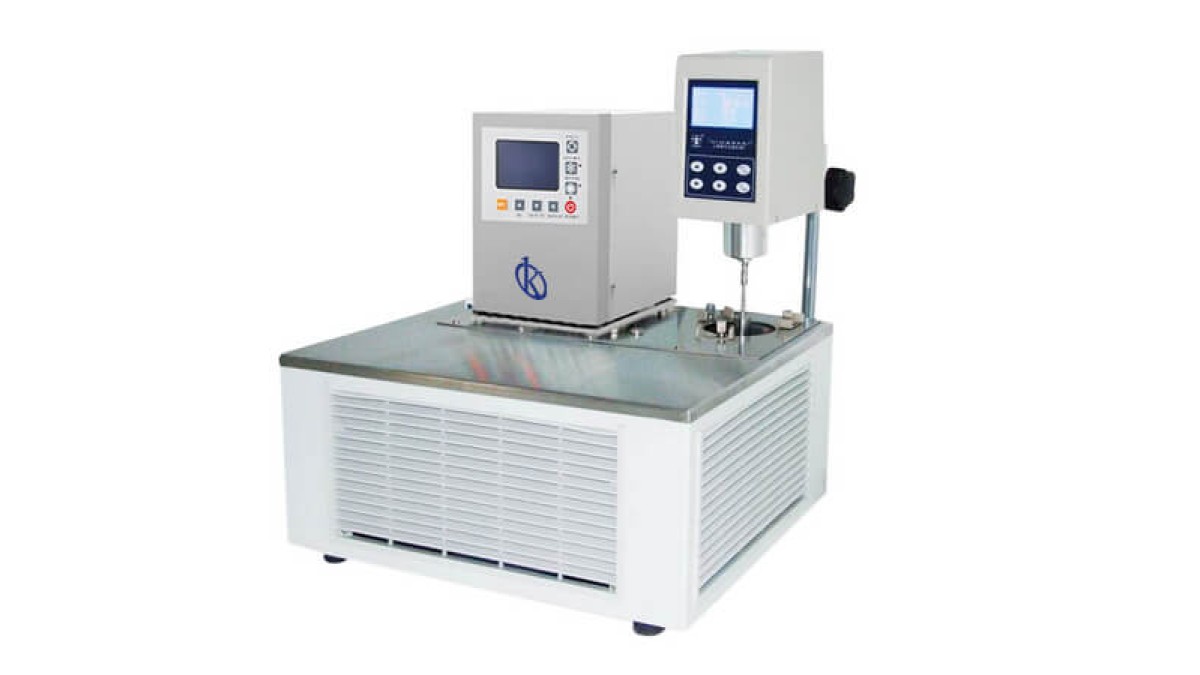
Bath Circulators: Common Mistakes and How to Avoid Them in Daily Operation 2026
What is it used for in 2026
In 2026, Bath Circulators play a pivotal role in laboratories for maintaining precise temperatures, essential in various applications including viscosity measurements, electronic component testing, and chemical synthesis. These devices ensure that samples are subjected to a consistent thermal environment, which is critical for achieving reliable results in experimental procedures.
History and evolution of the technology
The technology behind Bath Circulators has evolved significantly since its inception. Initially, these systems were rudimentary, relying on basic heating elements and water baths. Over time, advancements have led to the integration of PID temperature control, enhanced pump designs for better circulation, and the introduction of digital interfaces for easier monitoring and control. As a result, modern Bath Circulators offer improved energy efficiency, precision, and reliability.
How to use it step by step
- Setup: Position the Bath Circulator on a stable surface and ensure proper electrical connections.
- Fill the bath: Add distilled water or the appropriate liquid to the tank, ensuring the level is above the minimum line indicated.
- Power on: Switch on the device and allow it to reach the set temperature.
- Temperature setting: Use the control interface to set the desired temperature, using the PID controls for accuracy.
- Monitor: Continuously check the temperature and liquid levels, and make adjustments as necessary.
- Documentation: Record temperature readings and any other relevant data during the operation for future reference.
- Shutdown: After use, properly shut down the device, and dispose of or store the liquid as required.
Best techniques and protocols
To maximize the efficiency of Bath Circulators, it is essential to adhere to best techniques and protocols. Always calibrate the device before use, maintain consistent water levels, and ensure that the bath is properly insulated to minimize heat loss. Regularly check for leaks and ensure clean conditions to prevent contamination of samples. Following these protocols will enhance accuracy and extend the lifespan of the circulator.
Practical applications by laboratory type
Bath Circulators are versatile and find applications across various laboratory settings:
- Chemical Laboratories: Used for synthesis reactions requiring precise temperature control.
- Biotechnology Labs: Essential for conducting experiments involving biological samples where temperature variations can affect the outcome.
- Material Science: Frequently used to determine the viscosity of materials under controlled temperature conditions.
Regulations, standards and certifications
Laboratories utilizing Bath Circulators must adhere to various regulations and standards, such as ISO 9001 for quality management systems. Compliance with safety standards ensures that the equipment is safe to operate and that it meets specific performance criteria set by regulatory bodies. Certifications from recognized institutions can also enhance credibility and trust in laboratory results.
Comparison with alternative technologies
When comparing Bath Circulators to alternative technologies, such as traditional water baths or heating mantles, Bath Circulators provide superior temperature control and stability. Unlike water baths, which may have significant temperature gradients, Bath Circulators maintain uniform temperatures throughout the liquid. Similarly, heating mantles can lead to uneven heating, making Bath Circulators the preferred option for sensitive applications.
Comparison of available models
| Model | Best for | Key specs | Recommended use case |
|---|---|---|---|
| YR04985 | High precision viscosity measurements | Temperature range: -5 ~ 99.9°C, Resolution: 0.1°C | Laboratories requiring stable temperature for viscosity testing |
| YR04999 | Wide range temperature applications | Temperature range: -30 ~ 100°C | Tests involving electronic components and chemical reactions |
| YR04996 | Versatile temperature control | Temperature range: -5 ~ 100°C | General laboratory applications |
| YR04988 | Low temperature applications | Temperature range: -20 ~ 100°C | Experiments requiring sub-zero temperatures |
| YR04989 | Deep cooling processes | Temperature range: -30 ~ 100°C | Applications needing significant cooling |
| YR04986 | Precision heating | Temperature range: -5 ~ 100°C | Controlled experiments needing exact temperature regulation |
Common mistakes and how to avoid them
Laboratory professionals often encounter several common mistakes when operating Bath Circulators:
- Incorrect temperature settings: Always double-check the set temperature against the required specifications.
- Inadequate liquid levels: Ensure that the liquid is always above the minimum level to avoid sensor malfunction.
- Neglecting maintenance: Regularly service the device to maintain optimal performance.
By being aware of these issues and implementing preventive measures, operators can significantly improve the reliability of their experiments.
Maintenance, calibration and good practices 2026
To ensure the longevity and accuracy of Bath Circulators, regular maintenance and calibration are essential. Perform calibration checks at least once a month and after any significant adjustments. Regularly inspect the internal components for wear and tear, and replace any worn parts promptly. Good practices also involve cleaning the bath regularly to prevent contamination.
Cost-benefit analysis 2026
A cost-benefit analysis of Bath Circulators in 2026 reveals that the initial investment is justified by the precision and reliability they offer. Compared to traditional methods, the operational efficiency and potential to reduce errors lead to better results and savings in time and resources. Therefore, investing in Bath Circulators is often seen as a long-term gain for laboratories.
Frequently asked questions
What should I consider when purchasing a Bath Circulator?
When purchasing a Bath Circulator, consider factors such as temperature range, stability, and the volume of liquid the unit can handle. Additionally, assess the ease of use, maintenance requirements, and the expected lifespan of the device.
How often should I calibrate my Bath Circulator?
It is recommended to calibrate your Bath Circulator at least once a month, or more frequently if it is used heavily or after significant temperature adjustments.
Can I use tap water in my Bath Circulator?
Using distilled or deionized water is advisable to prevent mineral buildup and contamination, which can affect the performance and accuracy of the Bath Circulator.
What are the signs that my Bath Circulator needs maintenance?
Look for signs such as inconsistent temperature readings, unusual noises, or leaks. If you notice any of these issues, it is time to conduct maintenance or seek professional help.
How do I clean my Bath Circulator?
Turn off and unplug the unit, then drain the liquid. Clean the bath with a mild detergent and rinse thoroughly. Ensure no residual detergent remains before refilling with the appropriate liquid.
Is it important to monitor water levels in the Bath Circulator?
Yes, maintaining proper water levels is crucial for the accurate operation of the Bath Circulator. Low levels can lead to overheating and damage to the unit.
How can I request a quote for a Bath Circulator?
You can request a quote for a Bath Circulator by contacting our sales team or visiting our online platform to receive personalized assistance based on your laboratory needs.
If you are looking for a fusion of innovation and quality, you have come to the right place. At Kalstein, we offer you the luxury of exploring our exclusive catalog of laboratory equipment. We manufacture every device to the highest standards of excellence. Our intuitive and seamless online purchasing channels are designed for your convenience, securing the most competitive prices. Hesitate no longer — we bring science to life, it is time to become part of our community.