
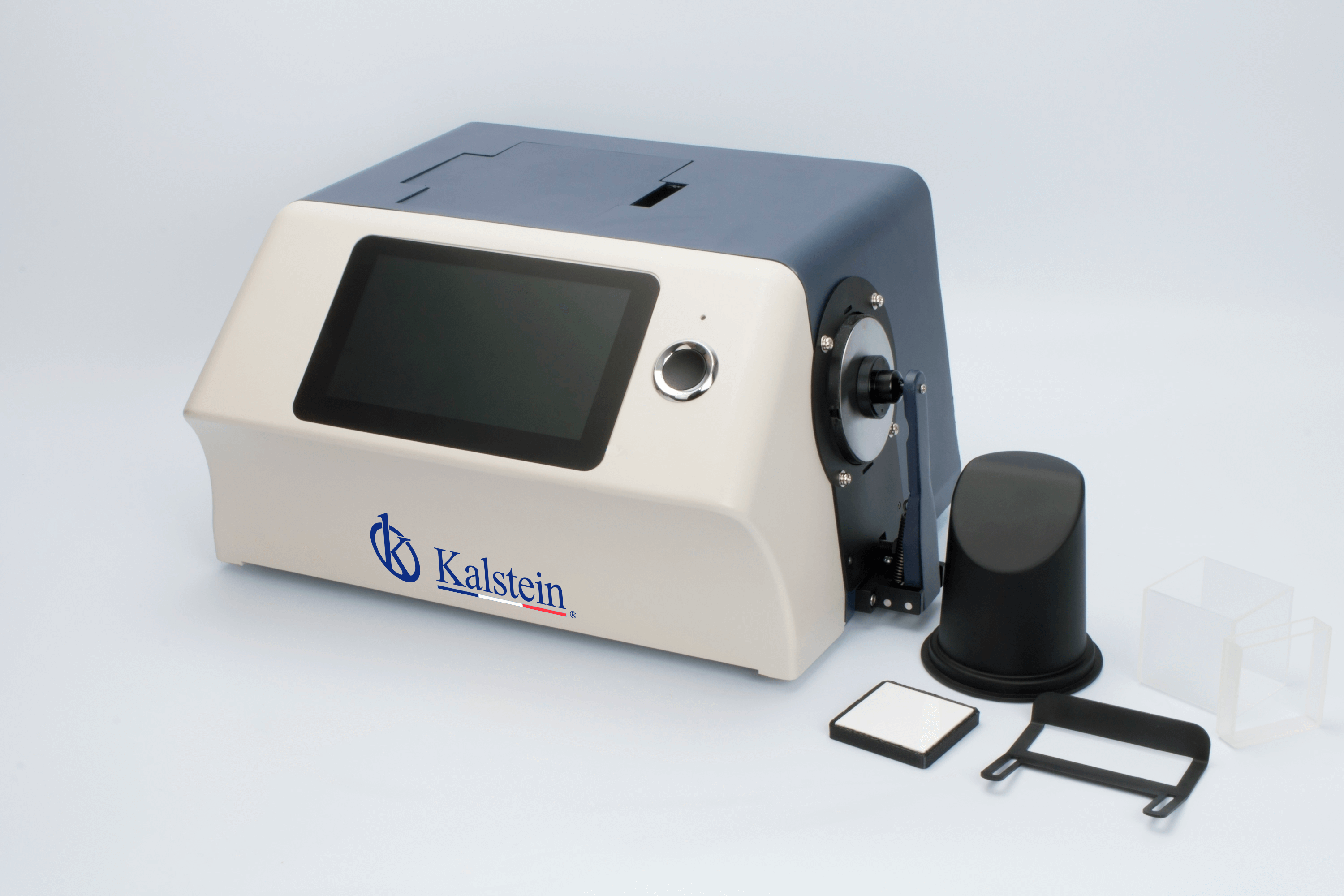
Benchtop Spectrophotometers: Applications in Research, Biotechnology, and Academia 2026
What is it used for in 2026
In 2026, benchtop spectrophotometers are essential tools used across various laboratory environments including research institutions, biotech firms, and academic settings. These instruments primarily measure the intensity of light as a function of its wavelength. They play a critical role in applications such as color analysis, concentration measurements, and quality control of materials. Their versatility allows for the examination of both solid and liquid samples, making them indispensable in research and development labs focused on material science, pharmaceuticals, and environmental studies.
History and evolution of the technology
The concept of spectrophotometry dates back to the early 19th century with the work of scientists like Thomas Young and later developments in optics. The first spectrophotometers were cumbersome, often requiring manual adjustments. As technology advanced, the introduction of computer technology and digital sensors transformed spectrophotometers into more precise and user-friendly instruments. In recent years, the integration of advanced features such as touch screens, enhanced software capabilities, and improved light sources has significantly increased their functionality, making them vital for modern laboratory practices.
How to use it step by step
Using a benchtop spectrophotometer typically involves the following steps:
- Preparation: Ensure the instrument is calibrated and set up according to the manufacturer’s instructions.
- Sample Preparation: Prepare your sample appropriately, whether it's a liquid in a cuvette or a solid sample on a measurement platform.
- Instrument Settings: Select the desired wavelength range and measurement mode (reflectance or transmittance).
- Measurement: Insert the sample into the spectrophotometer and initiate the measurement process.
- Data Analysis: Once the measurement is complete, analyze the data using the provided software or export it for further analysis.
- Cleaning: After use, clean the instrument and samples to ensure accurate future measurements.
Best techniques and protocols
Adhering to best practices when using benchtop spectrophotometers is crucial for obtaining reliable results. Here are some recommended techniques and protocols:
- Always use clean and calibrated cuvettes for liquid measurements to avoid contamination.
- Ensure sample homogeneity to achieve accurate readings.
- Utilize appropriate light sources based on the sample type and required wavelength.
- Perform routine calibrations to maintain instrument accuracy.
- Document all measurements meticulously for reproducibility.
Practical applications by laboratory type
Benchtop spectrophotometers find applications across various laboratory types:
- Research Laboratories: Used for material characterization and chemical analysis.
- Biotechnology Labs: Employed for analyzing biological samples and quality control in manufacturing.
- Academic Institutions: Utilized in teaching and conducting experiments in chemistry and physics.
- Quality Control Labs: Vital for ensuring product consistency in industries such as food and pharmaceuticals.
Regulations, standards and certifications
Compliance with regulations and standards is essential when using benchtop spectrophotometers. Instruments often need to meet ISO standards, ASTM methods, and industry-specific regulations. These standards ensure that the measurements are accurate, reliable, and reproducible. Regular audits and certifications are also necessary to maintain quality assurance in laboratory operations.
Comparison with alternative technologies
Benchtop spectrophotometers offer several advantages over alternative measurement technologies, such as handheld spectrophotometers or colorimeters. While handheld devices may be more portable, they typically lack the precision and range of measurements that benchtop models provide. Additionally, the latter often features advanced software for data analysis, making them more suitable for complex research applications.
Comparison of available models
| Model | Best for | Key specs | Recommended use case |
|---|---|---|---|
| YR05474 | Color analysis in R&D environments | Price: $6430.00; Dimensions: x x | Ideal for labs focused on color stability and precision. |
| YR05475 | Robust color measurement applications | Price: $4695.00; Dimensions: x x | Suitable for diverse laboratory environments requiring accuracy. |
| YR05476 | Comprehensive color analysis | Price: $6430.00; Dimensions: x x | Used in labs for detailed color transmission studies. |
| YR05477 | Translucent and transparent sample analysis | Price: $4695.00; Dimensions: x x | Ideal for assessing color reflectance and transmission. |
| YR05478 | Color difference formula applications | Price: $4445.00; Dimensions: x x | Best for industries like textiles and paints. |
| YR05482 | Non-contact color measurement | Price: $4950.00; Dimensions: x x | Excellent for liquid and powdered samples without contamination. |
Common mistakes and how to avoid them
Common pitfalls when using benchtop spectrophotometers include:
- Not calibrating the instrument regularly, which can lead to inaccurate results.
- Using contaminated or scratched cuvettes, which can affect the measurement.
- Failing to account for environmental factors like temperature and humidity, which can influence results.
- Neglecting to document data properly, making it difficult to reproduce experiments.
Maintenance, calibration and good practices 2026
For optimal performance, benchtop spectrophotometers require regular maintenance and calibration. Key practices include:
- Cleaning optical surfaces after each use to prevent residue buildup.
- Calibrating the instrument at prescribed intervals or after major usage.
- Performing routine checks of internal components to ensure everything is functioning correctly.
- Keeping records of maintenance activities to track instrument performance over time.
Cost-benefit analysis 2026
When considering the investment in a benchtop spectrophotometer, it is essential to weigh its cost against the benefits it provides. While the initial purchase price can be significant, the return on investment can be realized through enhanced accuracy, reproducibility, and efficiency in laboratory workflows. Additionally, the potential for increased productivity and improved quality control can lead to significant cost savings in the long term.
Frequently asked questions
How do I choose the right model of benchtop spectrophotometer?
When selecting a model, consider your specific application needs, the range of wavelengths required, and any additional features such as software capabilities and ease of use.
What types of samples can be analyzed with benchtop spectrophotometers?
Benchtop spectrophotometers are versatile and can analyze both liquid and solid samples, including colored solutions, powders, and translucent materials.
How often should I calibrate my spectrophotometer?
Calibration frequency depends on usage, but it is recommended to calibrate at least once a month or before any critical measurements to ensure accuracy.
What are the best practices for cleaning a benchtop spectrophotometer?
Use a soft cloth and appropriate cleaning solutions to clean the optical components. Avoid abrasive materials that can scratch the surfaces.
Can I use a benchtop spectrophotometer in the field?
While benchtop spectrophotometers are generally designed for laboratory use, some models can be portable. However, ensure that the operating environment is controlled to maintain accuracy.
What software is typically used with spectrophotometers?
Most modern spectrophotometers come with proprietary software for data analysis, but many also offer compatibility with common statistical software for detailed analysis.
How can I request a quote for a spectrophotometer?
You can request a quote through our online platform or contact our sales team for personalized assistance.
If you are looking for a fusion of innovation and quality, you have come to the right place. At Kalstein, we offer you the luxury of exploring our exclusive catalog of laboratory equipment. We manufacture every device to the highest standards of excellence. Our intuitive and seamless online purchasing channels are designed for your convenience, securing the most competitive prices. Hesitate no longer — we bring science to life, it is time to become part of our community.