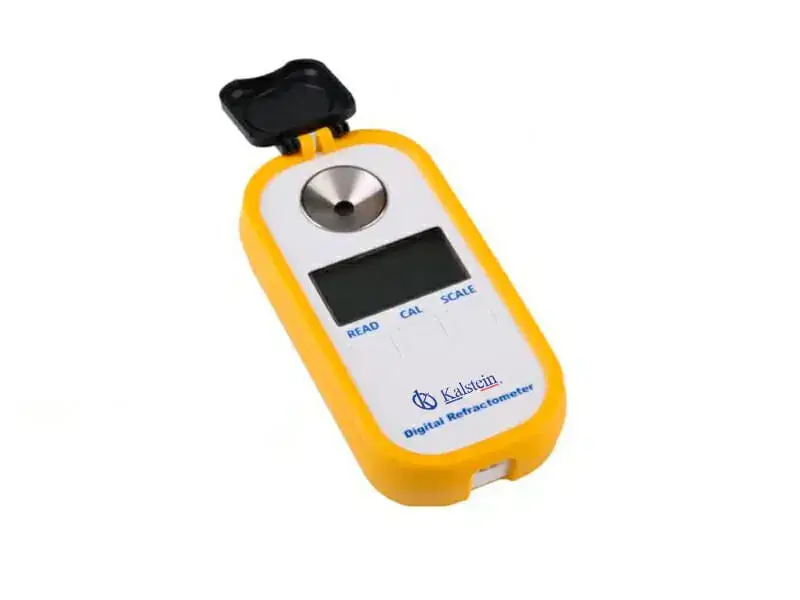
What are the Best Practices for Biosafety Protocols in Operating Digital Salinity Refractometers?
Digital salinity refractometers are essential tools in various laboratory settings and field applications for measuring the salinity of solutions, particularly in water quality testing and food production. With the increasing importance of biosafety and operator protection in laboratories, understanding the best practices for handling these devices is critical. This article will delve into the key biosafety protocols and operator safety measures necessary when using digital salinity refractometers.
Understanding the Importance of Biosafety Protocols
Biosafety protocols are designed to protect laboratory personnel, the environment, and the integrity of the experiments conducted. Utilizing devices like digital salinity refractometers involves certain hazards that must be addressed through established protocols. Ensuring a safe working environment requires a thorough understanding of the operational risks, including exposure to hazardous materials and the need for stringent sanitation practices.
Key Biosafety Levels and Their Implications
Different laboratories operate under specific biosafety levels (BSLs) that dictate their protocols, depending on the type of biological agents handled. For instance, BSL-1 laboratories deal with agents that pose minimal risk, while BSL-4 laboratories handle the most dangerous pathogens. When operating digital salinity refractometers, it is essential to adhere to the appropriate BSL guidelines to ensure safety and compliance.
Personal Protective Equipment (PPE) for Laboratory Personnel
Laboratory personnel using digital salinity refractometers should wear appropriate PPE to minimize exposure to hazardous materials. This may include gloves, lab coats, goggles, and face shields, depending on the specific risks associated with the substances being tested. Proper PPE not only protects the operator but also ensures that no contaminants are introduced into the equipment.
Aerosol Containment Techniques
Digital salinity refractometers, while generally safe, can generate aerosols if liquids are splashed or spilled. Employing aerosol containment techniques, such as using fume hoods or biological safety cabinets, can help mitigate the risk of inhaling hazardous particles. These containment methods are crucial, especially when working with concentrated salt solutions or other chemicals that may pose inhalation risks.
Decontamination Protocols for Refractometers
Regular decontamination of equipment is vital for maintaining a safe laboratory environment. After using a digital salinity refractometer, it should be cleaned and disinfected according to the manufacturer's guidelines. This may involve using appropriate cleaning solutions and ensuring that the device is thoroughly dried before storage to prevent microbial growth.
Risk Assessment Matrices for Equipment Use
Implementing a risk assessment matrix can significantly improve safety when using digital salinity refractometers. This matrix identifies potential hazards, evaluates the severity and likelihood of risks, and outlines control measures. Regular reviews of the risk assessment help ensure that safety practices remain effective and that operators are aware of any changes in procedures or equipment.
Comparison of Available Models
| Model Code | Measurement Range | Precision | ATC | Best For |
|---|---|---|---|---|
| YR05953 | 0.0–28.0% | ±0.1% | Yes | General salinity measurement |
| YR05954 | 0–280‰ | ±1‰ | Yes | High salinity solutions |
| YR05955 | 1.000-1.217 | ±0.002 | Yes | Density measurement |
| YR05956 | 1.3330–1.3900nD | ±0.0003nD | Yes | Refractive index measurement |
| YR05957 | 0—100‰ | ±2‰ | Yes | Lower concentration solutions |
| YR05958 | 0–57‰ | ±2‰ | Yes | Specific gravity measurement |
| YR05959 | 1.000-1.070 | ±0.002 | Yes | Density measurement |
| YR05960 | 1.3330–1.3530nD | ±0.0003nD | Yes | Refractive index for precise applications |
Common Mistakes and How to Avoid Them
Laboratory professionals often encounter pitfalls when using digital salinity refractometers. Common mistakes include failing to calibrate the instrument regularly, not following the manufacturer's cleaning instructions, and neglecting to document test results. To avoid these errors, operators should establish a routine for calibration and maintenance, use checklists for cleaning, and ensure proper record-keeping practices are in place.
Frequently Asked Questions
What are the key biosafety protocols when using digital salinity refractometers?
Key biosafety protocols include wearing appropriate PPE, using aerosol containment techniques, and following decontamination protocols after use of models like YR05953. These measures ensure a safe laboratory environment while maintaining compliance with regulations.
How often should digital salinity refractometers be calibrated for accurate measurements?
Digital salinity refractometers should be calibrated regularly, ideally before each use, to ensure accuracy. Model YR05954, for instance, requires calibration against known standards to maintain measurement precision.
Which PPE is essential for operating digital salinity refractometers safely?
Essential PPE includes gloves, goggles, and lab coats to protect operators from potential exposure when using digital salinity refractometers. For example, when using model YR05955, appropriate PPE can prevent contamination and ensure safety.
What are the common decontamination methods for laboratory equipment?
Common decontamination methods include using disinfectants approved for laboratory use, following manufacturer guidelines, and ensuring thorough cleaning of models like YR05956 after every use to maintain safety standards.
How can risk assessment matrices improve safety in laboratory settings?
Risk assessment matrices help identify potential hazards, evaluate their impact, and outline necessary control measures when using digital salinity refractometers. Implementing such a matrix ensures safer practices for devices like YR05958.
What should be documented when using digital salinity refractometers in a laboratory?
Documentation should include calibration records, test results, cleaning logs, and any incidents during operation. Keeping accurate records when using models like YR05954 is crucial for compliance and safety management.
What are the implications of not following biosafety protocols in the lab?
Not following biosafety protocols can lead to contamination risks, lab accidents, and compromised experimental integrity. Therefore, adhering to proper protocols when operating devices like the YR05957 is essential for maintaining a safe laboratory environment.
If you are looking for a fusion of innovation and quality, you have come to the right place. At Kalstein, we offer you the luxury of exploring our exclusive catalog of laboratory equipment. We manufacture every device to the highest standards of excellence. Our intuitive and seamless online purchasing channels are designed for your convenience, securing the most competitive prices. Hesitate no longer — we bring science to life, it is time to become part of our community.