Ensuring Biosafety in Portable pH Meter Usage: A Comprehensive Guide
In laboratory environments, the use of portable pH meters is common for various applications, including environmental testing, food safety, and quality control in manufacturing. However, with the convenience of portability comes the responsibility of ensuring biosafety. This guide delves into the essential biosafety protocols necessary for the safe operation of portable pH meters, highlighting best practices and model comparisons to ensure operator safety.
Understanding Biosafety Protocols for Portable pH Meters
Biosafety protocols involve measures designed to prevent accidental exposure to biological agents and minimize risks associated with laboratory work. Portable pH meters, often utilized for quick analyses in diverse settings, require adherence to specific biosafety measures such as the use of personal protective equipment (PPE), proper calibration procedures, and awareness of exposure limits.
Key components of biosafety protocols include risk assessments, which help identify potential hazards associated with the use of these instruments, and standard operating procedures (SOPs), which should encompass calibration, cleaning, and maintenance of the devices.
Comparison of Available Models
| Model | pH Range | Calibration Points | Temperature Compensation | Best for |
|---|---|---|---|---|
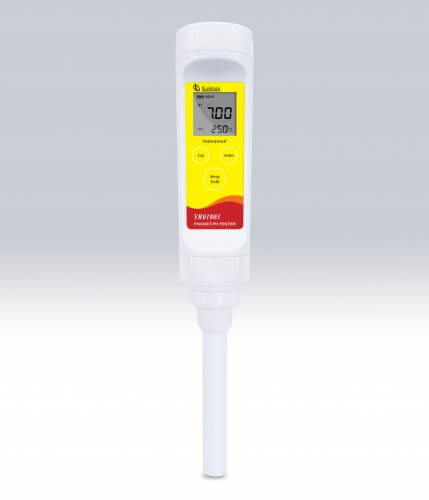
| YR01803 | -1.00 to 15.00 pH | 1 to 3 points | Automatic | Small sample measurements |
| YR01804 | -1.00 ~ 15.00 pH | 1 to 3 points | Manual | Outdoor applications |
| YR01800 | -1.00 ~ 15.00 pH | 1 to 3 points | Automatic | General portable use |
| YR01800-1 | -1.00 ~ 15.00 pH | 1 to 3 points | Automatic | General portable use |
| YR01802 | -1.00 to 15.00 pH | 1 to 3 points | Automatic | Measuring semi-solids |
| YR01802-1 | -1.00 to 15.00 pH | 1 to 3 points | Automatic | Measuring semi-solids |
Common Mistakes and How to Avoid Them
One of the prevalent mistakes in using portable pH meters involves neglecting calibration. Regular calibration using standardized buffers is critical for accurate measurements. For instance, models like YR01803 and YR01802 support automatic calibration, which can simplify this process.
Another common error is the improper use of PPE. Operators should always wear gloves, goggles, and lab coats to protect against chemical splashes. This is particularly important in field applications where exposure to environmental contaminants might occur.
Key Factors for Ensuring Safe Operation
Proper Calibration Techniques
Calibration is essential for maintaining accuracy in pH measurement. Utilize models with automatic calibration features, like the YR01803, to ensure reliable results. Regularly calibrate using certified buffer solutions and follow the manufacturer's guidelines for calibration intervals.
Utilizing Personal Protective Equipment (PPE)
PPE is a critical component of biosafety in laboratory settings. When using portable pH meters, operators should wear gloves, goggles, and lab coats to minimize exposure to hazardous substances. Ensure that PPE is compatible with the chemicals being tested.
Understanding Temperature Compensation
Temperature fluctuations can impact pH readings. Models like the YR01803 and YR01802 provide automatic temperature compensation, which helps maintain accuracy. If using a model with manual compensation, be diligent in adjusting for temperature variations to prevent erroneous readings.
Adherence to Manufacturer Guidelines
Each portable pH meter comes with specific operating instructions that must be followed. Familiarize yourself with the guidelines provided by the manufacturer, particularly regarding calibration procedures and maintenance routines, to ensure optimal performance and safety.
Regular Maintenance and Cleaning
Proper maintenance of portable pH meters extends their lifespan and reliability. Clean the electrodes after each use and store the meters according to the manufacturer's recommendations. For instance, ensure that the YR01802 is stored in a suitable solution to keep the electrode moist, ensuring accurate readings in future tests.
Frequently Asked Questions
What are the best practices for using portable pH meters safely in laboratories?
Best practices for safe usage include regular calibration, wearing appropriate PPE, and following manufacturer guidelines. Employing models like YR01803, which offers automatic calibration, can enhance accuracy and safety in laboratory settings.
How often should portable pH meters be calibrated to ensure accuracy?
Calibration frequency can depend on usage but typically, portable pH meters should be calibrated before each use or at least daily. Models like YR01804 allow for 1 to 3 point calibration, which helps maintain measurement accuracy.
Which portable pH meter is best for measuring semi-solids safely?
The YR01802 and YR01802-1 are excellent choices for measuring semi-solids due to their high precision and automatic temperature compensation. These features ensure safe operation while providing reliable measurements.
How can I ensure the safe handling of pH meters in the field?
Ensure safe handling by employing PPE, conducting risk assessments, and following SOPs. Models like the YR01804 are designed for outdoor applications, which further enhances their safety and usability in field conditions.
What is the significance of temperature compensation in portable pH meters?
Temperature compensation is crucial as temperature changes can affect pH readings. Portable pH meters such as YR01803 and YR01802 offer automatic compensation, ensuring accurate measurements regardless of temperature fluctuations.
How does the design of portable pH meters contribute to operator safety?
Portable pH meters like the YR01800 and YR01800-1 feature compact designs and durable materials that enhance usability in various environments. These designs help minimize risks associated with spills and accidents during measurements.
What should I look for in a portable pH meter for safe laboratory use?
When choosing a portable pH meter for safe laboratory use, look for features such as automatic calibration, temperature compensation, and robust construction. Models like YR01803 and YR01802 provide these essential features, ensuring accuracy and safety.
Conclusion
Ensuring biosafety when using portable pH meters is paramount for laboratory professionals. By adhering to established protocols, utilizing appropriate models, and maintaining a thorough understanding of safety measures, operators can effectively mitigate risks and enhance their laboratory practices. If you are looking for a fusion of innovation and quality, you have come to the right place. At Kalstein, we offer you the luxury of exploring our exclusive catalog of laboratory equipment. We manufacture every device to the highest standards of excellence. Our intuitive and seamless online purchasing channels are designed for your convenience, securing the most competitive prices. Hesitate no longer — we bring science to life, it is time to become part of our community.