How to Ensure Biosafety Protocols in Laboratory Chemical Analyzers
In the field of laboratory testing, ensuring biosafety protocols is essential when working with chemical analyzers. This article explores the various biosafety measures and operator safety protocols relevant to chemical analyzers, specifically focusing on the 2026-08-28 variant. Understanding these protocols not only protects laboratory personnel but also enhances the reliability and integrity of laboratory results.
Understanding Biosafety Levels in Laboratories
Biosafety levels (BSL) are critical for determining the appropriate safety protocols when handling potentially hazardous materials in laboratories. There are four biosafety levels, with BSL-1 being the lowest risk and BSL-4 the highest. Each level requires specific safety equipment, personal protective equipment (PPE), and protocols to minimize exposure and contamination risks.
Key Biosafety Protocols for Chemical Analyzers
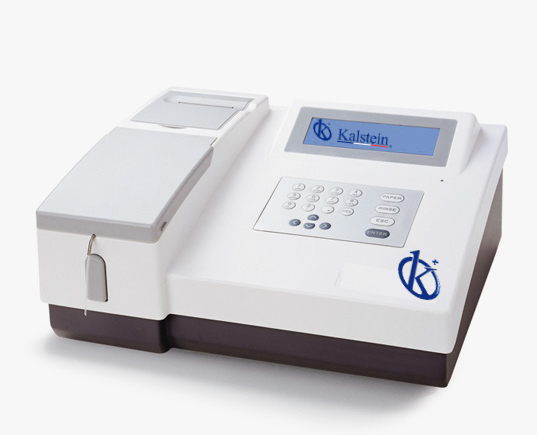
When utilizing chemical analyzers such as the Semi-Automatic Chemistry Analyzer YR05115 and the Automatic Chemistry Analyzer YR06075, several biosafety protocols should be observed. These include the use of appropriate PPE, the implementation of effective decontamination procedures, and the assurance of proper waste disposal methods to minimize risk during operation.
Personal Protective Equipment (PPE) Requirements
Laboratory professionals must wear suitable PPE, including gloves, lab coats, and safety goggles, to protect themselves from chemical exposure while using chemical analyzers. For instance, when operating models like the Portable Chemical Analyzer YR06092, it is vital to ensure that the PPE is compatible with the chemicals being analyzed to avoid any adverse reactions.
Aerosol Containment and Risk Assessment
Aerosol containment is a significant concern when operating chemical analyzers, particularly in high-throughput environments. Risk assessments should be conducted to identify potential aerosol generation and implement appropriate control measures, such as the use of fume hoods or biosafety cabinets, particularly with analyzers like the Semiautomatic Chemistry Analyzer YR05116.
Decontamination Protocols for Chemical Analyzers
Establishing and following strict decontamination protocols is crucial for maintaining a safe laboratory environment. After each use, chemical analyzers, including the Semi-Automatic Chemistry Analyzer YR06078, should undergo a thorough cleaning with appropriate disinfectants to prevent cross-contamination and ensure the safety of subsequent tests.
Risk Assessment Matrices for Laboratory Operations
Creating a risk assessment matrix can help laboratory managers evaluate potential risks associated with chemical analyzers. This tool aids in identifying hazards, assessing their likelihood, and determining control measures based on the specific models in use, such as the Automatic Chemistry Analyzer YR06075.
Comparison of Available Models
| Model | Best for | PPE Recommendations | Decontamination Features |
|---|---|---|---|
| YR05115 | Routine tests with minimal risk | Gloves, lab coats | Manual cleaning recommended |
| YR05114 | Moderate-risk samples | PPE with chemical resistance | Automated cleaning cycle available |
| YR06092 | Field testing in low-risk environments | Standard lab PPE | Regular disinfection required |
| YR06075 | High-throughput analysis | Full PPE | Built-in decontamination system |
| YR05116 | Versatile lab settings | General lab safety gear | Routine cleaning and maintenance |
| YR06078 | Incremental testing procedures | Lab coats, goggles | Manual wipe down after use |
Common Mistakes and How to Avoid Them
One of the most common mistakes in the laboratory is inadequate training on biosafety protocols. Laboratory staff should be thoroughly trained to understand and implement biosafety measures when using chemical analyzers. Additionally, neglecting routine maintenance and decontamination of equipment can lead to safety hazards.
Frequently Asked Questions
What are the best biosafety protocols for laboratory chemical analyzers?
The best biosafety protocols include wearing appropriate PPE, conducting risk assessments, and implementing strict decontamination procedures. For example, when using the Automatic Chemistry Analyzer YR06075, it is essential to wear gloves and lab coats during operations.
How can I ensure operator safety when using chemical analyzers?
Operator safety can be ensured by using the correct PPE, following decontamination protocols, and utilizing equipment like the Semi-Automatic Chemistry Analyzer YR06078 which supports effective safety measures through its design.
Which PPE is required for operating chemical analyzers?
PPE required when operating chemical analyzers includes gloves, lab coats, and safety goggles. For instance, while using the Semi-Automatic Chemistry Analyzer YR05116, it is crucial to wear chemical-resistant gloves to prevent exposure.
What cleaning protocols should be in place for chemical analyzers?
Cleaning protocols should include regular disinfection of surfaces and internal components of the analyzers. The Portable Chemical Analyzer YR06092, for example, should be cleaned with suitable disinfectants after each use to ensure safety.
How often should decontamination occur in laboratories?
Decontamination should occur after each use of chemical analyzers and regularly scheduled deep cleans of the laboratory environment. Models like the YR06075 have automated features to assist in these processes.
What is the importance of risk assessment matrices in laboratory settings?
Risk assessment matrices are essential for identifying and mitigating potential hazards associated with chemical analyzers. By using these matrices, laboratories can ensure that models like the YR05115 are operated safely and effectively.
How do I train my staff on biosafety protocols for chemical analyzers?
Training staff on biosafety protocols should involve comprehensive workshops covering PPE usage, decontamination methods, and equipment handling, ensuring familiarity with devices like the YR06078 to maintain a safe operating environment.
What are the consequences of neglecting biosafety measures in labs?
Neglecting biosafety measures can lead to exposure to hazardous materials, contamination of samples, and compromised laboratory results. For example, improper cleaning of the YR05114 can pose risks to laboratory personnel.
If you are looking for a fusion of innovation and quality, you have come to the right place. At Kalstein, we offer you the luxury of exploring our exclusive catalog of laboratory equipment. We manufacture every device to the highest standards of excellence. Our intuitive and seamless online purchasing channels are designed for your convenience, securing the most competitive prices. Hesitate no longer — we bring science to life, it is time to become part of our community.