Understanding Biosafety Protocols and Safe Operator Management in Constant Temperature and Humidity Incubators
The importance of biosafety in laboratory environments cannot be overstated, particularly in settings utilizing Constant Temperature and Humidity incubators. These incubators are employed across various fields, including environmental protection, medical testing, and scientific research, necessitating stringent safety protocols to ensure operator safety and compliance with regulations. This article delves into the biosafety protocols and the safe management practices for operators using Constant Temperature and Humidity incubators.
Overview of Constant Temperature and Humidity Incubators
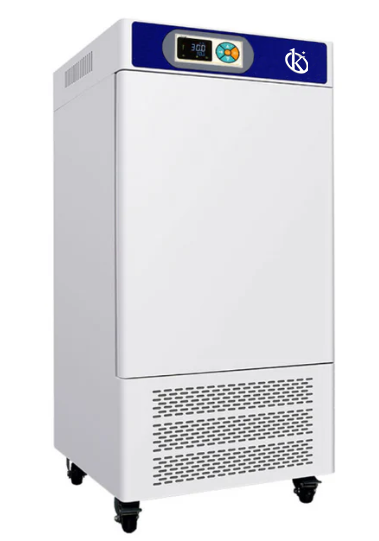
Constant Temperature and Humidity incubators provide precise temperature and humidity controls for various applications, including biological research, drug testing, and agricultural studies. Models like the YR02053, YR02054, and YR02055 all feature capabilities crucial for maintaining optimal growth conditions and experimental integrity. The design of these incubators incorporates safety features such as automatic defrosting and stainless steel interiors, supporting biosafety and environmental protection. In this article, we will compare these models within the context of biosafety protocols.
Importance of Biosafety in Laboratory Settings
Biosafety encompasses the principles, technologies, and practices that protect against exposure to biological agents in laboratories. Ensuring operator safety while working with potentially hazardous materials is vital. This involves implementing a biosafety management system that includes risk assessment, standard operating procedures (SOPs), and appropriate personal protective equipment (PPE). Constant Temperature and Humidity incubators must be operated in compliance with these biosafety protocols to mitigate risks effectively.
Key Biosafety Protocols for Constant Temperature and Humidity Incubators
When working with Constant Temperature and Humidity incubators, several biosafety protocols should be strictly followed. This includes maintaining a clean working environment, regularly calibrating equipment like the YR02053 and YR02055, and ensuring proper waste disposal methods. Regular training for laboratory personnel on these protocols is essential to promote an understanding of safety measures and compliance with regulatory requirements.
Risk Assessment and Management Strategies
Conducting a thorough risk assessment is a foundational step in biosafety management. Laboratories should evaluate the potential hazards associated with their specific operations involving Constant Temperature and Humidity incubators. This assessment should identify risks related to handling biological materials, equipment failure, and environmental factors. Following risk identification, management strategies should be developed to mitigate these risks, ensuring a safer operational environment for laboratory personnel.
Personal Protective Equipment (PPE) Requirements
Proper PPE is critical for laboratory safety. Operators should wear appropriate gloves, lab coats, and eye protection when handling samples or working near incubators like the YR02054. The choice of PPE often depends on the specific hazards identified during the risk assessment and should comply with institutional guidelines on biosafety. Training operators on the correct use of PPE further enhances safety in the laboratory.
Decontamination Protocols for Equipment and Work Environment
Establishing effective decontamination protocols is vital to preventing cross-contamination and ensuring a safe laboratory environment. For Constant Temperature and Humidity incubators, regular cleaning and disinfection of surfaces, equipment, and tools is necessary. It is advisable to utilize effective disinfectants that are compatible with the materials of the incubators to avoid damage while ensuring microbial inactivation.
Emergency Procedures and Incident Reporting
Having clear emergency procedures in place is essential for managing incidents that may arise during the operation of Constant Temperature and Humidity incubators. This includes procedures for spills, equipment malfunctions, and exposure incidents. Training personnel on these procedures and maintaining accessible incident reporting systems helps in the swift management of emergencies, ultimately enhancing safety for all laboratory operators.
Comparison of Available Models
| Model | Temperature Range (℃) | Precision (℃) | Power (kW) | Recommended Application |
|---|---|---|---|---|
| YR02053 | 0 ~ 60 | ± 0.1 | 0.4 | Environmental protection, biomedical testing |
| YR02054 | 0 ~ 60 | ± 0.1 | 0.6 | Drug testing, health prevention |
| YR02055 | 0 ~ 60 | ± 0.1 | 0.8 | Aquaculture, biological engineering |
Common Mistakes and How to Avoid Them
Laboratories often encounter common pitfalls regarding biosafety protocols in the operation of Constant Temperature and Humidity incubators. These include insufficient training, inadequate risk assessments, and overlooking routine maintenance procedures. To avoid these mistakes, laboratories should implement comprehensive training programs, conduct regular audits, and ensure that all operators are familiar with the SOPs related to the incubators they use.
Frequently Asked Questions
What biosafety protocols should be followed when using Constant Temperature and Humidity incubators?
When using Constant Temperature and Humidity incubators like the YR02053, it is crucial to follow strict biosafety protocols, including proper use of PPE, regular cleaning, and risk assessments to mitigate exposure to biological hazards.
How can I ensure compliance with biosafety standards when operating incubators?
To ensure compliance when operating incubators, facilities must establish comprehensive SOPs, conduct regular training, and engage in routine equipment calibration, particularly for models like YR02054 and YR02055.
What are the key factors to consider in risk assessment for incubator usage?
In assessing risks for incubator usage, consider factors such as the nature of the biological materials, operator exposure risks, and equipment reliability. This ensures a safer working environment while using Constant Temperature and Humidity incubators.
What is the importance of PPE in laboratory settings using incubators?
PPE is essential in laboratory settings using incubators as it protects operators from exposure to hazardous materials. For example, wearing gloves and goggles while handling samples in a YR02054 incubator is crucial for safety.
How often should decontamination of incubators be conducted?
Decontamination of Constant Temperature and Humidity incubators should occur regularly, ideally after each use, to prevent contamination and maintain safe operational conditions, particularly for models like YR02055.
What training programs are recommended for operator safety in laboratories?
Recommended training programs should cover biosafety protocols, proper use of equipment, and emergency procedures, ensuring operators are well-prepared to safely manage Constant Temperature and Humidity incubators.
How do emergency procedures enhance safety in laboratories?
Emergency procedures enhance safety by providing clear, actionable steps during incidents such as spills or equipment failures. This preparedness is crucial for operators working with Constant Temperature and Humidity incubators.
What common mistakes should laboratories avoid regarding biosafety?
Common mistakes include inadequate training, lack of risk assessments, and poor maintenance of equipment. Avoiding these pitfalls ensures safer operations when using incubators like the YR02053.
If you are looking for a fusion of innovation and quality, you have come to the right place. At Kalstein, we offer you the luxury of exploring our exclusive catalog of laboratory equipment. We manufacture every device to the highest standards of excellence. Our intuitive and seamless online purchasing channels are designed for your convenience, securing the most competitive prices. Hesitate no longer — we bring science to life, it is time to become part of our community.