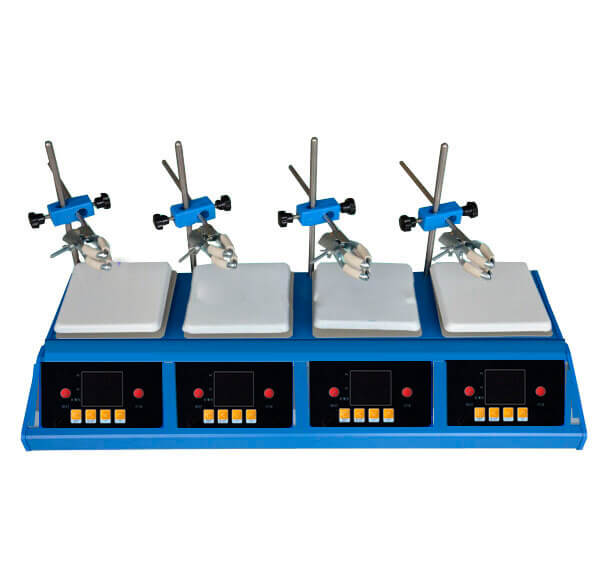
How to Ensure Biosafety Protocols with Multiposition Intelligent Digital Display Ceramic Hotplate Stirrers
In laboratory settings, maintaining robust biosafety protocols is critical, especially when using multiposition intelligent digital display ceramic hotplate stirrers. These devices, such as the YR02953 and YR02954 models, offer advanced features that promote safe operation while enhancing productivity. This article delves into the specific biosafety measures necessary when utilizing these stirrers, ensuring both compliance and the protection of laboratory personnel.
Understanding Biosafety Levels and Their Impact on Equipment Use
The first step in establishing biosafety protocols is understanding the Biosafety Levels (BSLs) defined by the Centers for Disease Control and Prevention (CDC). These levels range from BSL-1, which involves agents not known to cause disease in healthy adults, to BSL-4, which deals with dangerous pathogens. When utilizing multiposition intelligent stirrers like the YR02955, which operates at a range of 100-1800 RPM with an adjustable temperature up to 400°C, it's essential to match the equipment's capabilities with the required biosafety protocols for the agents being handled.
Personal Protective Equipment (PPE) and Operator Safety
PPE is crucial in maintaining safety when working with multiposition stirrers. Lab coats, gloves, and face shields should be standard for operators, especially when dealing with potentially hazardous materials. The YR02947 model offers a digital display for real-time monitoring, enhancing user awareness and safety. By integrating PPE requirements and the operational features of these stirrers, laboratories can mitigate risks associated with chemical exposure and potential spills.
Decontamination Protocols and Equipment Maintenance
Regular decontamination protocols should be established for all laboratory equipment, including multiposition stirrers. For instance, ensuring that surfaces of models like YR02948, which features a ceramic-coated aluminum surface, are properly cleaned after each use can prevent contamination. Establishing a schedule for routine maintenance and cleaning allows laboratories to maintain equipment functionality while ensuring adherence to biosafety protocols.
Risk Assessment and Management Strategies
Conducting thorough risk assessments is vital in identifying potential hazards associated with the use of multiposition stirrers. Factors such as the nature of the substances being stirred, the equipment's operational limits, and the laboratory environment must be evaluated. The YR02949 model, with its robust design for handling volatile substances, illustrates the importance of selecting the right stirrer based on risk assessments to ensure operator safety and compliance with biosafety standards.
Training and Education on Safe Operation
Ensuring that all laboratory personnel are adequately trained in the safe operation of multiposition intelligent digital display ceramic hotplate stirrers is non-negotiable. Training programs should cover equipment functionalities, biosafety protocols, and emergency procedures. By promoting a culture of safety education, laboratories can significantly reduce hazards associated with the use of equipment such as the YR02953, resulting in safer working environments.
Environmental and Energy Considerations
When selecting equipment, consider the environmental impact and energy consumption associated with multiposition stirrers. Models like YR02954 are designed to optimize energy efficiency while maintaining functionality, which contributes to a greener laboratory. Assessing energy consumption not only aligns with sustainability goals but also reduces operational costs, promoting long-term use of equipment.
Comparison of Available Models
| Model | Temperature Range | Stirring Speed | Positions | Price (USD) |
|---|---|---|---|---|
| YR02953 | Ambient to 400°C | 100-1800 RPM | 4 | 619.00 |
| YR02954 | Ambient to 400°C | 100-1800 RPM | 4 | 713.00 |
| YR02955 | Ambient to 400°C | 100-1800 RPM | 6 | 884.00 |
| YR02947 | Ambient to 400°C | 0-2000 RPM | 2 | 317.00 |
| YR02948 | Ambient to 400°C | 0-2000 RPM | 2 | 364.00 |
| YR02949 | N/A | N/A | N/A | 476.00 |
Common Mistakes and How to Avoid Them
One common mistake is neglecting regular maintenance of multiposition stirrers, which can lead to equipment failure and safety risks. Operators often forget to review the temperature and stirring settings, leading to potential mishaps. To avoid these issues, implement a maintenance log for each model, ensuring that all users are trained on proper operational procedures and routine checks.
Frequently Asked Questions
What are the best practices for using multiposition intelligent hotplate stirrers in biosafety Level 2 labs?
Best practices include using PPE and ensuring that the equipment, such as the YR02955, is regularly calibrated. Proper training for users and adherence to decontamination protocols are also essential to maintain safety.
How can I ensure a multiposition stirrer is compliant with ISO standards?
Compliance with ISO standards can be achieved by following operational guidelines outlined for specific models like YR02954, including documentation of operational procedures and regular maintenance checks.
What is the ideal temperature range for ceramic hotplate stirrers in laboratory settings?
The ideal temperature range for ceramic hotplate stirrers, such as the YR02948, is between ambient and 400°C, ensuring effective mixing without risking overheating or degradation of materials.
How often should I calibrate my multiposition hotplate stirrer?
Calibration of models like YR02953 should occur at least annually, or more frequently based on usage. Regular calibration ensures accurate temperature and stirring speed for optimal performance.
What features should I look for in a safe hotplate stirrer?
Look for features such as a digital display for monitoring, adjustable temperature settings, and a robust safety design. Models like YR02954 offer these features to enhance operator safety.
What energy efficiency measures can I implement with my stirrer?
Choosing energy-efficient models such as the YR02947 can help reduce overall energy consumption. Implementing usage protocols that minimize idle time also contributes to energy savings.
How does the design of multiposition stirrers contribute to operator safety?
The design of multiposition stirrers like YR02955 focuses on splash-proof materials and easy cleaning surfaces, which significantly contribute to operator safety by minimizing exposure to hazardous materials.
What is the significance of PID temperature control in multiposition stirrers?
PID temperature control, featured in models like YR02954, ensures precise temperature regulation, which is crucial for experiments requiring strict thermal conditions for safety and accuracy.
If you are looking for a fusion of innovation and quality, you have come to the right place. At Kalstein, we offer you the luxury of exploring our exclusive catalog of laboratory equipment. We manufacture every device to the highest standards of excellence. Our intuitive and seamless online purchasing channels are designed for your convenience, securing the most competitive prices. Hesitate no longer — we bring science to life, it is time to become part of our community.