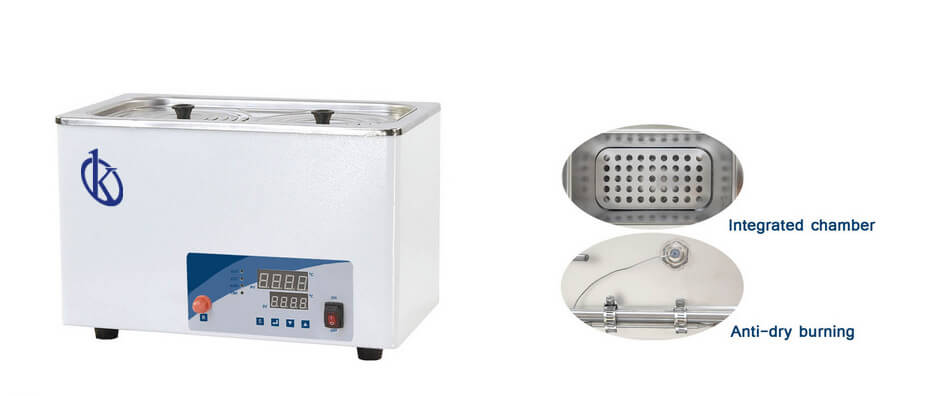
How to Ensure Biosafety Protocols and Safe Operator Handling in Water Baths
In laboratory environments, water baths are a vital tool for various applications, including temperature-sensitive experiments and biochemical reactions. However, ensuring the safety of operators and adherence to biosafety protocols is paramount. This article delves into critical biosafety protocols and safe handling techniques related to water baths, specifically focusing on the implications for laboratory professionals.
Understanding Biosafety Protocols in Laboratory Settings
Biosafety protocols serve to protect laboratory personnel, the environment, and the integrity of scientific research. Proper biosafety practices must be adhered to when using equipment such as water baths, particularly when handling biological samples or hazardous materials. Key components of an effective biosafety program include risk assessment, proper handling procedures, and personal protective equipment (PPE).
Risk Assessment
Conducting a thorough risk assessment is essential to identify potential hazards when using water baths. It involves evaluating the types of materials being processed and the conditions under which water baths operate. This includes assessing the risk of contamination, exposure to hazardous substances, and equipment failure. Regular assessments help laboratories adapt to new protocols and maintain compliance with standards.
Personal Protective Equipment (PPE)
When working with water baths, it is crucial to wear appropriate PPE, including gloves, lab coats, and safety goggles. This helps minimize exposure to potentially harmful substances and protects against spills. Operators should also be familiar with proper procedures for safely donning and doffing PPE to prevent contaminating themselves or others.
Best Practices for Handling Water Baths
Maintaining safety during the operation of water baths entails precise handling practices that prevent accidents and ensure efficient performance. Operators should be well-trained and aware of safe handling techniques to mitigate risks effectively.
Regular Maintenance and Calibration
Adhering to a routine maintenance schedule is key for ensuring the proper functioning of water baths. Cleaning the bath regularly prevents contamination and ensures accurate temperature control. Calibration of temperature settings should also be performed periodically to maintain desired operational standards. Models like the Water Bath YR05073 and YR05074 feature precision controls and alarms that help maintain safe operating conditions.
Proper Loading Techniques
Overloading a water bath can lead to uneven heating and potential equipment failure. Operators should follow manufacturer guidelines for load capacity and distribute samples evenly to promote uniform temperature distribution. The Water Bath YR030L, designed for optimal temperature control, is well-suited for applications requiring careful sample management.
Comparison of Available Models
| Model | Specifications | Best For |
|---|---|---|
| YR05073 | Stainless steel, PID control, 0-100 °C | General laboratory use |
| YR05074 | Stainless steel, PID control, 0-100 °C | General laboratory use |
| YR030L | Water bath shaker, 0-100 °C | Biological and biochemical applications |
| YR05001 | Heating and cooling circulator, -35-200 °C | Chemical reactions |
| YR05002 | Heating and cooling circulator, -35-200 °C | Chemical reactions |
| YR05003 | Heating and cooling circulator, -35-200 °C | Chemical reactions |
Common Mistakes and How to Avoid Them
In laboratory settings, it is important to recognize and avoid common mistakes associated with the use of water baths. These mistakes can compromise safety and research integrity.
Neglecting Equipment Calibration
One common mistake is neglecting the calibration of water baths, which can lead to incorrect temperature settings and affect experimental results. Ensure regular calibration checks for models like YR05073 and YR05074 to achieve precise temperature control.
Inadequate Training of Personnel
Another oversight is insufficient training for laboratory personnel. Comprehensive training programs should cover biosafety protocols, equipment handling, and emergency procedures. Proper training enhances operator safety and ensures compliance with established guidelines.
Frequently Asked Questions
What are efficient biosafety protocols for using water baths in laboratories?
Efficient biosafety protocols for using water baths include risk assessments, PPE usage, and regular maintenance. For instance, the Water Bath YR05074 requires operators to ensure proper PPE to prevent exposure to harmful biological agents.
How can I ensure safe operator handling when using water baths?
Safe operator handling can be ensured by following specific protocols such as proper training, wearing PPE, and adhering to manufacturer guidelines. Models like YR030L provide integrated controls to help operators manage temperature safely.
What are the risks associated with using water baths in a laboratory?
Risks associated with water baths include contamination, overheating, and inadequate temperature control. Ensuring proper maintenance of models like the YR05073 can mitigate these risks significantly.
How does proper maintenance contribute to the safety of water baths?
Proper maintenance ensures that water baths operate efficiently and reduces the risk of equipment failure. Regular checks and calibration of models like YR05074 help maintain safety standards and prevent accidents.
What is the recommended PPE for handling water baths?
Recommended PPE for handling water baths includes gloves, lab coats, and safety goggles. This is essential for protecting laboratory personnel from exposure to hazardous materials during operations involving models like YR030L.
How can I conduct a risk assessment for using water baths?
Conducting a risk assessment involves identifying potential hazards related to the handling of biological samples and operating conditions. This process is critical for ensuring safe use of models such as YR05001 and YR05002 in laboratory environments.
What training should be provided for new laboratory personnel using water baths?
New laboratory personnel should receive training on biosafety protocols, equipment operation, and emergency response. Training should include proper handling procedures for models like YR05073 to ensure safety compliance.
What are effective decontamination protocols for water baths?
Effective decontamination protocols involve cleaning surfaces with appropriate disinfectants after use. Laboratory protocols should specify guidelines for models like YR05074 to minimize contamination risks.
If you are looking for a fusion of innovation and quality, you have come to the right place. At Kalstein, we offer you the luxury of exploring our exclusive catalog of laboratory equipment. We manufacture every device to the highest standards of excellence. Our intuitive and seamless online purchasing channels are designed for your convenience, securing the most competitive prices. Hesitate no longer — we bring science to life, it is time to become part of our community.