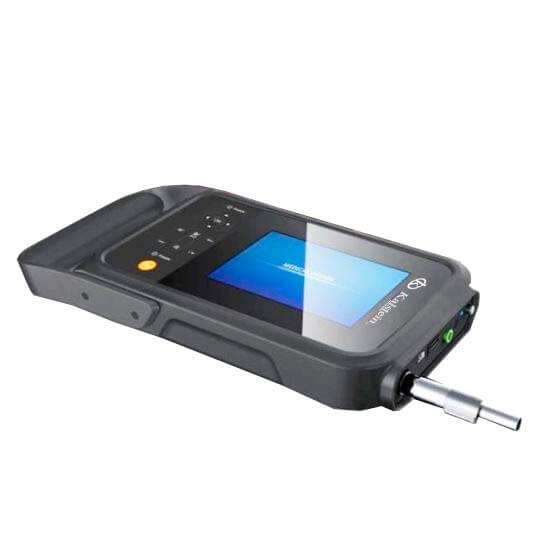
Best Practices for Biosafety Protocols in Ultrasonic Diagnostic Equipment Management
The growing use of ultrasonic diagnostic equipment in various medical and veterinary fields demands a comprehensive understanding of biosafety protocols. This is crucial not only for ensuring the accuracy of diagnoses but also for safeguarding operators and patients. Biosafety protocols help mitigate risks associated with equipment use, particularly in clinical settings where exposure to biological materials is a possibility. The following sections will delve into various aspects of biosafety protocols and effective operator management practices, with a specific focus on ultrasonic diagnostic equipment.
Understanding Biosafety Levels and Their Implications
Biosafety levels are categorized into four distinct levels (BSL-1 to BSL-4) based on the risks associated with biological agents. Each level dictates specific safety measures and protocols necessary for handling particular classes of pathogens. For ultrasonic diagnostic equipment, which often interacts with biological samples, understanding these levels is critical. The equipment must adhere to BSL-2 protocols, which include the use of personal protective equipment (PPE), decontamination procedures, and safe handling of samples. Implementing these measures not only protects operators but also enhances the reliability of test results.
Personal Protective Equipment (PPE) for Operators
Using appropriate PPE is a foundational aspect of biosafety in any laboratory. For operators handling ultrasonic diagnostic equipment, such as the Veterinary Ultrasound with Professional Rectal Probe YR05146, essential PPE includes gloves, face shields, and gowns. This gear minimizes direct contact with potentially hazardous materials and reduces the risk of contamination. Training staff on the importance of PPE and its correct usage should be mandatory to ensure compliance and effectiveness.
Aerosol Containment and Risk Assessment
Ultrasonic procedures can generate aerosols, especially when working with samples that may contain infectious agents. Implementing effective aerosol containment strategies is essential to protect both the operator and the environment. This can include using closed systems with exhaust filtration and conducting risk assessments to identify potential hazards. Regular evaluations of these containment measures should be performed to maintain a safe working environment.
Decontamination Protocols for Equipment and Surfaces
Decontamination procedures are vital for maintaining biosafety standards in laboratories. Ultrasonic diagnostic equipment, including models like the 3D4D Obstetric Ultrasound GYN YR05147, should be routinely cleaned using appropriate disinfectants that are effective against the pathogens likely to be encountered. Establishing a schedule for daily and weekly decontamination ensures that all surfaces and equipment are free from potentially harmful residues, thereby ensuring operator safety and sample integrity.
Comparison of Available Models
| Model | Specifications | Best For |
|---|---|---|
| YR05146 | Lightweight 0.5 kg; High resolution display; 1024 image storage; Software for various veterinary applications | Veterinary diagnostics and general usage in small practices |
| YR05147 | 3D imaging capability; Continuous operation for over 3 hours; Integrated software for multiple specialties | Obstetrics and gynecology, general diagnostics |
| YR05154 | Single convex probe; Compatible ultrasound software | Basic diagnostic needs and educational settings |
| YR05154-1 | Tablet integrated with SUN-P1; Lightweight | Mobile diagnostics, field use |
| YR05155 | Linear probe; Advanced ultrasound capabilities | Detailed imaging for specific applications |
| YR05155-1 | Tablet integrated with SUN-P2; Advanced features | Comprehensive diagnostic work in various environments |
Common Mistakes And How To Avoid Them
Laboratories using ultrasonic diagnostic equipment often face challenges that can compromise biosafety and operational efficiency. Common mistakes include inadequate training on equipment use, neglecting PPE protocols, and inconsistent decontamination practices. To avoid these issues, it is vital to implement comprehensive training programs for all staff, regularly review PPE usage, and create a standard operating procedure (SOP) for cleaning and maintenance. Establishing a culture of safety and accountability within the lab is essential for long-term compliance and effectiveness.
Frequently Asked Questions
What are the best biosafety practices for ultrasonic diagnostic equipment like YR05146?
The best biosafety practices for ultrasonic diagnostic equipment, such as the YR05146, include using appropriate PPE, adhering to BSL-2 protocols, and implementing regular decontamination procedures to minimize exposure to biological materials.
How can operators ensure safety while using the 3D4D Obstetric Ultrasound GYN YR05147?
Operators using the YR05147 should follow strict PPE protocols, utilize aerosol containment measures, and perform regular risk assessments to ensure a safe working environment while handling potentially infectious samples.
What decontamination protocols should be followed for ultrasonic diagnostic equipment?
Decontamination protocols for ultrasonic diagnostic equipment like YR05146 should include routine cleaning with effective disinfectants and a structured schedule for daily and weekly maintenance to prevent contamination.
Which ultrasonic diagnostic models are ideal for mobile diagnostics?
Models like YR05154-1 and YR05155-1 are ideal for mobile diagnostics due to their lightweight design and tablet integration, allowing for easy transport and deployment in diverse environments.
How can I assess the risk of using ultrasonic diagnostic equipment?
To assess the risk of using ultrasonic diagnostic equipment, conduct regular risk assessments that evaluate potential hazards associated with biological materials and implement corresponding safety measures.
What common mistakes should be avoided in an ultrasonic diagnostic lab?
Common mistakes in ultrasonic diagnostic labs include inadequate operator training, failure to use PPE, and inconsistent decontamination practices, all of which can compromise safety and sample integrity.
Conclusion
In summary, implementing robust biosafety protocols is critical for managing ultrasonic diagnostic equipment effectively. By prioritizing operator safety through PPE, aerosol containment, and comprehensive decontamination practices, laboratories can ensure a safe environment conducive to accurate diagnostics. Investing in training programs and adhering to best practices will not only protect personnel but also enhance the reliability of results obtained from ultrasonic diagnostic devices.
If you are looking for a fusion of innovation and quality, you have come to the right place. At Kalstein, we offer you the luxury of exploring our exclusive catalog of laboratory equipment. We manufacture every device to the highest standards of excellence. Our intuitive and seamless online purchasing channels are designed for your convenience, securing the most competitive prices. Hesitate no longer — we bring science to life, it is time to become part of our community.