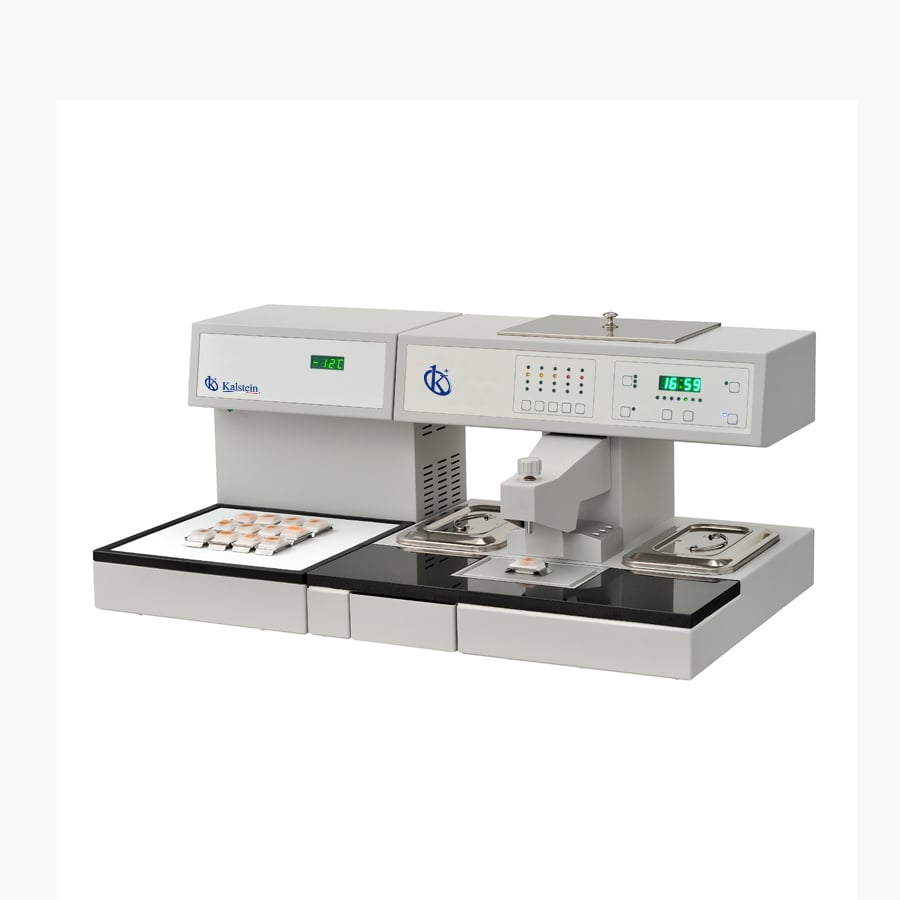
How to Ensure Biosafety and Safe Operator Management in Tissue Embedding Systems
In the realm of pathological anatomy, the use of Tissue Embedding Systems is indispensable for preparing tissue samples for histological examination. However, ensuring biosafety protocols and safe operator management is crucial for laboratory efficiency and compliance with health regulations. In this article, we will explore the key aspects related to biosafety and operator safety, focusing on the latest protocols and best practices for using these systems effectively.
Understanding Biosafety in Tissue Embedding Systems
Biosafety refers to the measures taken to protect laboratory personnel and the environment from exposure to potentially harmful biological agents. In the context of tissue embedding systems, it is critical to maintain a safe working environment to minimize the risk of contamination and exposure. A comprehensive understanding of biosafety levels (BSL) is essential for laboratory professionals working with potentially hazardous materials, including human tissues.
Current Biosafety Standards and Guidelines
Various regulatory bodies provide guidelines and standards for biosafety in laboratories. The Centers for Disease Control and Prevention (CDC) and the National Institutes of Health (NIH) define biosafety levels ranging from BSL-1 to BSL-4, depending on the risk associated with the biological agents being handled. Compliance with these guidelines is crucial for laboratories utilizing tissue embedding systems, ensuring a safe working environment while processing samples.
Risk Assessment Matrices for Tissue Embedding Procedures
Conducting a thorough risk assessment is vital in identifying potential hazards associated with tissue embedding procedures. A risk assessment matrix can help laboratories evaluate the likelihood and impact of possible incidents, guiding the implementation of appropriate safety measures. Common risks include exposure to chemicals, biological agents, and physical hazards related to equipment operation.
Personal Protective Equipment (PPE) Requirements
Proper use of personal protective equipment is essential to safeguard laboratory personnel when handling tissue embedding systems. Recommended PPE includes gloves, lab coats, safety goggles, and face shields, which provide protection against chemical splashes and biological hazards. Regular training on the correct use and maintenance of PPE is also crucial to ensure laboratory safety.
Decontamination Protocols for Laboratory Equipment
Implementing effective decontamination protocols is critical for minimizing the risk of contamination in tissue embedding systems. Regular cleaning and sterilization of equipment using appropriate disinfectants are essential steps to ensure a safe working environment. Detailed documentation of decontamination procedures should be maintained as part of the laboratory's standard operating procedures (SOPs).
Best Practices for Safe Operator Management
Effective operator management is key to ensuring biosafety in laboratories utilizing tissue embedding systems. This includes regular training for staff on biosafety protocols, emergency procedures, and equipment operation. Additionally, implementing a system for monitoring and reporting safety incidents can help identify areas for improvement and ensure compliance with biosafety regulations.
Comparison of Available Models
| Model | Chamber Capacity (liters) | Temperature Range (℃) | Price (USD) | Best for |
|---|---|---|---|---|
| YR441 | 3 | 55 - 70 | 2200.00 | Advanced processing in histology labs |
| YR447 | 4 | RT - 85 | 2800.00 | High-programmability and energy efficiency |
| YR439 | 3 | 55 - 70 | 1300.00 | Comfortable ergonomic design |
| YR445 | 4 | RT - 85 | 1800.00 | Versatile for various sample types |
| YR439-1 | ≥6 | TA-85 | 2100.00 | High-capacity for increased throughput |
| YR440B | N/A | 0 to -20 | 1100.00 | Biological tissue cooling |
Common Mistakes and How to Avoid Them
Laboratories often face challenges in maintaining biosafety when using tissue embedding systems. Some common mistakes include inadequate staff training, overlooking PPE requirements, and failure to document decontamination procedures. To avoid these pitfalls, laboratories should implement regular training sessions, ensure proper PPE usage, and maintain meticulous records of all safety protocols and equipment maintenance.
Frequently Asked Questions
What biosafety level is required for using tissue embedding systems?
The required biosafety level for using tissue embedding systems varies based on the biological agents being handled. Generally, BSL-2 is recommended for human tissues, emphasizing the need for PPE and proper laboratory practices.
How can I improve operator safety when using a tissue embedding system?
Improving operator safety can be achieved through comprehensive training, strict adherence to PPE protocols, and regular maintenance of equipment like the YR441, which includes programmable features for safer operation.
What decontamination protocols should be followed for tissue embedding systems?
Decontamination protocols should include regular cleaning with appropriate disinfectants and thorough inspection of equipment to prevent contamination. Establishing a routine cleaning schedule is essential for safety.
What are the key biosafety standards for laboratories using tissue embedding systems?
Key biosafety standards include guidelines from the CDC and NIH, which specify practices for lower-risk materials. Compliance with these standards will help labs maintain a safe environment when using systems like YR445.
How can risk assessments enhance biosafety in tissue embedding labs?
Conducting risk assessments helps identify potential hazards and implement effective control measures. This proactive approach is essential in maintaining safety standards in labs utilizing systems like YR439.
What personal protective equipment is necessary for tissue embedding system operation?
Essential PPE includes lab coats, gloves, safety goggles, and face shields to protect operators from chemical exposure and biological hazards while using systems like YR447.
How often should training be conducted for laboratory personnel using tissue embedding systems?
Training should be conducted regularly, at least annually, to ensure compliance with biosafety protocols and effective use of equipment like the YR439-1, focusing on both theory and practical application.
What are the benefits of using programmable features in tissue embedding systems?
Programmable features, like those in the YR441, enhance operational efficiency by allowing labs to automate processes, reduce manual errors, and ensure consistent adherence to safety protocols.
If you are looking for a fusion of innovation and quality, you have come to the right place. At Kalstein, we offer you the luxury of exploring our exclusive catalog of laboratory equipment. We manufacture every device to the highest standards of excellence. Our intuitive and seamless online purchasing channels are designed for your convenience, securing the most competitive prices. Hesitate no longer — we bring science to life, it is time to become part of our community.