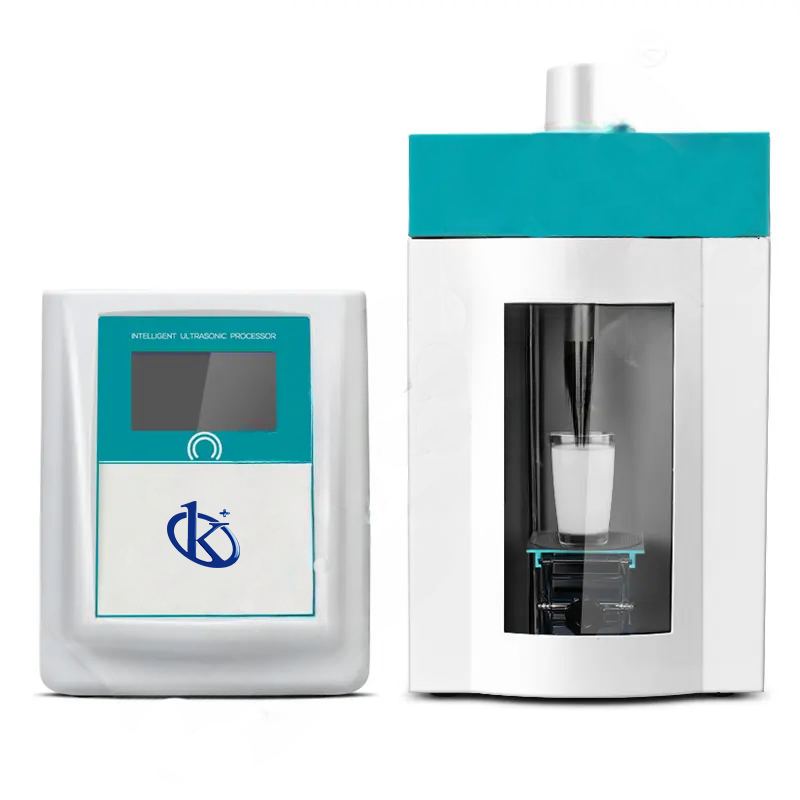
Ensuring Biosafety and Safe Operator Handling in Ultrasonic Homogenizers
Laboratory professionals engaged in sample preparation often rely on ultrasonic homogenizers for their efficiency in achieving homogeneity at the molecular level. However, with advanced techniques come the responsibilities of ensuring biosafety and safe operational protocols. This article explores essential biosafety protocols and safe handling practices tailored for ultrasonic homogenizers, addressing both the equipment's efficacy and the safety of laboratory operators.
Understanding Ultrasonic Homogenizers and Their Applications
Ultrasonic homogenizers utilize ultrasonic waves to disperse and emulsify samples, making them indispensable in various laboratory settings, including biotechnology, pharmaceuticals, and food sciences. These machines enhance sample processing and can significantly improve analytical results. However, their effectiveness must be balanced with a strong commitment to biosafety protocols to protect operators from exposure to hazardous samples, aerosols, and potential biohazards.
Biosafety Levels and Their Relevance
Biosafety levels (BSLs) are critical in defining the containment precautions necessary for handling biological agents. Ranging from BSL-1 (minimal risk) to BSL-4 (maximum risk), understanding these levels helps laboratories implement the appropriate safety measures. Ultrasonic homogenizers can easily aerosolize biological materials, which underscores the importance of adhering to BSL guidelines relevant to the samples being processed.
Key Biosafety Protocols for Ultrasonic Homogenizers
Implementing biosafety protocols involves several critical practices:
- Personal Protective Equipment (PPE): Operators should wear appropriate PPE, including gloves, lab coats, and face shields, to protect against splashes and aerosols.
- Aerosol Containment: Use ultrasonic homogenizers with enclosed chambers or additional containment systems to minimize aerosol exposure.
- Decontamination Procedures: Regularly decontaminate work surfaces and equipment, particularly after processing samples that may contain pathogens.
- Risk Assessment: Conduct thorough risk assessments before using ultrasonic homogenizers, particularly when dealing with potentially infectious materials.
How Each Model Contributes to Safety
Different models of ultrasonic homogenizers come equipped with various features aimed at enhancing safety:
- Ultrasonic homogenizer YR05015: Features overload protection, ensuring the unit does not operate under unsafe conditions.
- Ultrasonic homogenizer YR05016: Offers real-time temperature monitoring, critical for preventing thermal damage to samples.
- Ultrasonic homogenizer YR05017: Includes alarm systems for operational errors, which can alert users to potential hazards.
- Ultrasonic homogenizer YR05018: Designed with an ergonomic interface that minimizes operator strain, promoting safer use.
- Ultrasonic homogenizer YR05019: High power settings allow for effective processing without exceeding recommended operational limits.
- Ultrasonic homogenizer YR05020: Built for larger volume capacities, reducing the need for multiple runs, thus minimizing exposure times.
Training for Safe Handling of Ultrasonic Homogenizers
To ensure safe operation, comprehensive training for laboratory staff is essential. Operators should be trained on:
- The specific features and safety mechanisms of the ultrasonic homogenizers in use.
- Proper techniques for handling samples, including how to avoid spills and aerosols.
- Emergency procedures in case of equipment failure or exposure incidents.
Common Mistakes and How to Avoid Them
Many laboratories make common errors when operating ultrasonic homogenizers. Here are some pitfalls and strategies to mitigate them:
- Neglecting Equipment Maintenance: Regular maintenance schedules should be established to ensure equipment functions correctly and safely.
- Inadequate PPE: Always ensure that all necessary PPE is used; do not assume minimal risk when processing biological materials.
- Ignoring Manufacturer Guidelines: Make sure to understand and follow the operational guidelines provided by manufacturers for each specific model.
Comparison of Available Models
| Model | Power (Continuous) | Mixing Capacity | Price (USD) |
|---|---|---|---|
| YR05015 | 1.5 – 150W | 0.1 – 150 ml | 756.00 |
| YR05016 | 2-5 – 250 W | 0.1 – 300 ml | 882.00 |
| YR05017 | 10 – 650 W | 0.1 – 500 ml | 1050.00 |
| YR05018 | 10 – 900 W | 0.1 – 600 ml | 1281.00 |
| YR05019 | 20 – 1 200W | 1 – 1 000 ml | 1785.00 |
| YR05020 | 50 – 1 800W | 1 – 1 200 ml | 2058.00 |
Frequently Asked Questions
What biosafety measures should be taken when using ultrasonic homogenizers?
When using ultrasonic homogenizers like the YR05015, it is crucial to implement proper biosafety measures including wearing PPE, ensuring aerosol containment, and conducting thorough decontamination procedures to minimize exposure risks.
How does the YR05016 support safe operator handling during sample processing?
The YR05016 features an ergonomic design along with real-time monitoring of sample temperature, ensuring safe operation during homogenization and reducing risks of overheating the samples.
Which ultrasonic homogenizer model is best for high-volume sample processing?
The YR05020 is the most suitable for high-volume processing, as it can handle up to 1,200 ml at high power settings, minimizing the number of runs required and operator exposure to hazards.
What role does training play in the safe operation of ultrasonic homogenizers?
Training is vital for safe operation; it equips operators with knowledge on proper handling techniques, understanding equipment features and manufacturer guidelines, which enhances safety during sample processing.
What are the potential risks associated with ultrasonic homogenizers?
Potential risks include exposure to aerosols and biohazards during operation, which can be mitigated through the use of PPE, proper equipment design, and adherence to established biosafety protocols.
How often should maintenance be conducted on ultrasonic homogenizers?
Regular maintenance should be conducted based on the manufacturer's recommendations, typically every few months, to ensure safety features are functioning correctly and equipment is in optimal condition.
What are the key differences between the YR05019 and YR05020 models?
The YR05019 supports up to 1,200W power for medium volume tasks, while the YR05020 supports higher power up to 1,800W and larger volumes, making it better for high-demand applications.
How can I assess the risk when using ultrasonic homogenizers in the lab?
Risk assessment involves evaluating the type of samples processed, the biosafety level required, and the equipment's safety features. This should include a review of models like YR05018 that come with built-in safety precautions.
If you are looking for a fusion of innovation and quality, you have come to the right place. At Kalstein, we offer you the luxury of exploring our exclusive catalog of laboratory equipment. We manufacture every device to the highest standards of excellence. Our intuitive and seamless online purchasing channels are designed for your convenience, securing the most competitive prices. Hesitate no longer — we bring science to life, it is time to become part of our community.