
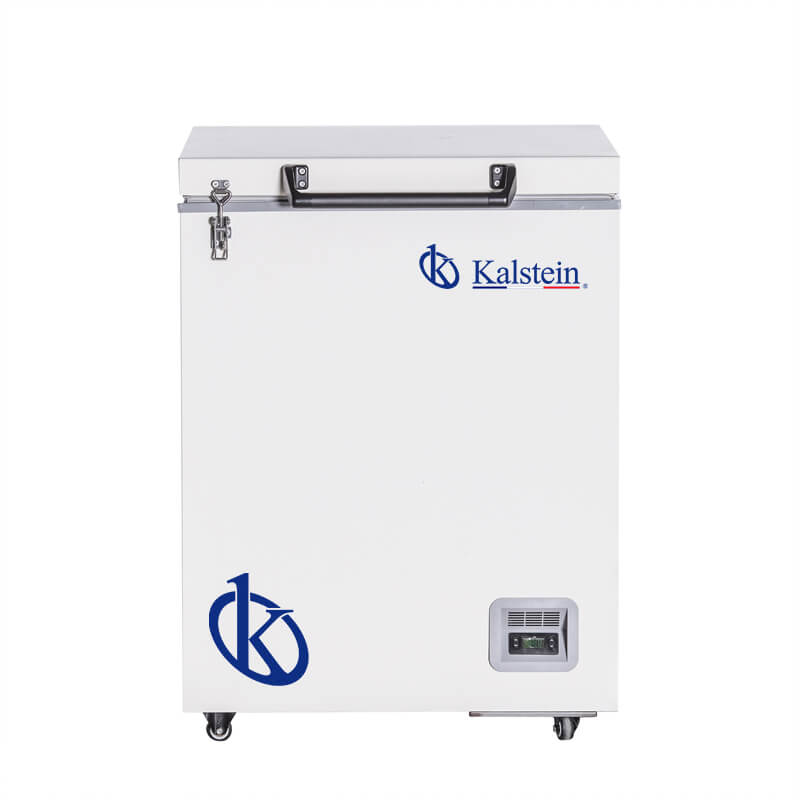
Chest Freezers: Practical Applications and Techniques 2026
Chest freezers play a crucial role in laboratory environments, particularly for those involved in research, biotechnology, and academic settings. This article offers insights into the applications, history, step-by-step usage, best techniques, common mistakes, maintenance practices, and cost-benefit analysis of chest freezers in 2026.
What is it used for in 2026
In 2026, chest freezers are primarily used for storing temperature-sensitive materials such as biological samples, pharmaceuticals, and vaccines. The ability to maintain low temperatures is essential for preserving the integrity of samples and ensuring the reliability of experimental results. Common applications in laboratories include:
- Storage of biological specimens, including tissues and blood samples
- Preservation of vaccines and cell cultures
- Long-term storage of chemicals and reagents
- Storage of samples for clinical and research laboratories
History and evolution of the technology
The evolution of chest freezer technology began in the early 20th century with the introduction of mechanical refrigeration. Early models were bulky and inefficient. Over the decades, advancements in compressor technology and insulation materials have led to the development of more efficient and compact designs. Today's models, such as the YR05102 and YR05314, feature microprocessor control and advanced alarm systems for enhanced safety and performance.
How to use it step by step
Using a chest freezer effectively involves several steps:
- Choose the right location: Place the freezer in a cool, dry area away from direct sunlight.
- Initial setup: Plug in the unit and set the temperature according to the manufacturer's guidelines.
- Loading samples: Organize samples in appropriate containers, ensuring they are labeled clearly.
- Monitoring: Regularly check the temperature and ensure the door seals properly to maintain efficiency.
- Maintenance: Perform routine checks and clean the interior to prevent contamination.
Best techniques and protocols
To ensure optimal performance, follow these best techniques and protocols:
- Use insulated containers for storing samples to minimize temperature fluctuations.
- Label all samples with relevant information for easy identification.
- Regularly calibrate the temperature monitoring system to ensure accuracy.
- Utilize alarms to alert staff of any temperature deviations.
Practical applications by laboratory type
Different types of laboratories utilize chest freezers in various ways:
- Research Laboratories: Store experimental samples to ensure their viability for testing.
- Clinical Laboratories: Preserve blood and tissue samples for future analysis.
- Biotechnology Labs: Maintain genetic materials and cell cultures under controlled conditions.
- Pharmaceutical Labs: Securely store vaccines and sensitive drugs to maintain efficacy.
Regulations, standards and certifications
Laboratories must adhere to several regulations and standards regarding the use of chest freezers, including:
- ISO standards for laboratory equipment
- FDA regulations for the storage of pharmaceuticals
- Good Laboratory Practice (GLP) guidelines
Comparison with alternative technologies
While chest freezers are essential, other technologies also offer specific benefits:
- Ultra-Low Freezers: Provide temperatures below -40°C, ideal for long-term storage of sensitive biological materials.
- Refrigerated Centrifuges: Offer temperature control during sample processing, which is crucial for certain applications.
Comparison of available models
| Model | Best for | Key specs | Recommended use case |
|---|---|---|---|
| YR05102 | General lab storage | Adjustable temperature: -10 to -40°C, Energy consumption: 1.65 kWh/23h | Storing biological samples |
| YR05103 | Clinical labs | Adjustable temperature: -10 to -40°C, Energy consumption: 1.68 kWh/23h | Preserving vaccines |
| YR05104 | Research purposes | Adjustable temperature: -20 to -40°C, Energy consumption: 3.45 kWh/23h | Long-term storage of chemicals |
| YR05314 | Ultra-low storage | Adjustable temperature: -40 to -86°C, Energy consumption: 11.5 kWh/24h | Storing sensitive biological specimens |
| YR05313 | Small laboratory settings | Adjustable temperature: -40 to -86°C, Energy consumption: 3.8 kWh/24h | Small scale sample preservation |
| YR05315 | Biomedical applications | Adjustable temperature: -25 to -60°C, Energy consumption: 3.2 kWh/24h | Storing delicate vaccines |
Common mistakes and how to avoid them
Laboratory personnel often make mistakes that can compromise sample integrity:
- Overloading the freezer: Avoid blocking airflow; maintain proper spacing between items.
- Ignoring alarms: Always respond to alarm notifications immediately.
- Failing to monitor temperatures: Regularly check and log temperature data.
Maintenance, calibration and good practices 2026
To keep chest freezers in optimal condition:
- Perform monthly maintenance checks to clean and inspect the unit.
- Calibrate temperature sensors every six months for accuracy.
- Educate staff on proper usage and emergency procedures.
Cost-benefit analysis 2026
Investing in a chest freezer offers numerous benefits:
- Cost-effective long-term storage solution
- Reduction in sample loss through superior preservation
- Compliance with laboratory regulations increases overall operational efficiency
Frequently asked questions
What should I consider when choosing a chest freezer for my laboratory?
When selecting a chest freezer, consider factors such as temperature range, storage capacity, energy efficiency, and safety features like alarms and monitoring systems.
How can I ensure the integrity of my samples in a chest freezer?
To maintain sample integrity, regularly monitor temperatures, avoid overloading, and ensure proper labeling and organization of samples.
What is the recommended temperature range for biological sample storage?
For most biological samples, maintaining a temperature between -20°C and -40°C is ideal. However, specific samples may require ultra-low temperatures.
How often should I perform maintenance on my chest freezer?
Monthly maintenance checks are recommended, along with calibration of temperature sensors every six months to ensure optimal performance.
Can I use a chest freezer for vaccines?
Yes, chest freezers are suitable for storing vaccines, but it's crucial to maintain the correct temperature and monitor it regularly to ensure vaccine efficacy.
What are the safety features I should look for in a chest freezer?
Look for safety features such as alarm systems for temperature deviations, secure door locks, and robust insulation to prevent temperature fluctuations.
Where can I find more information about chest freezers?
For more detailed information on chest freezers and their applications, request a quote on Kalstein Plus to explore further options.
If you are looking for a fusion of innovation and quality, you have come to the right place. At Kalstein, we offer you the luxury of exploring our exclusive catalog of laboratory equipment. We manufacture every device to the highest standards of excellence. Our intuitive and seamless online purchasing channels are designed for your convenience, securing the most competitive prices. Hesitate no longer — we bring science to life, it is time to become part of our community.