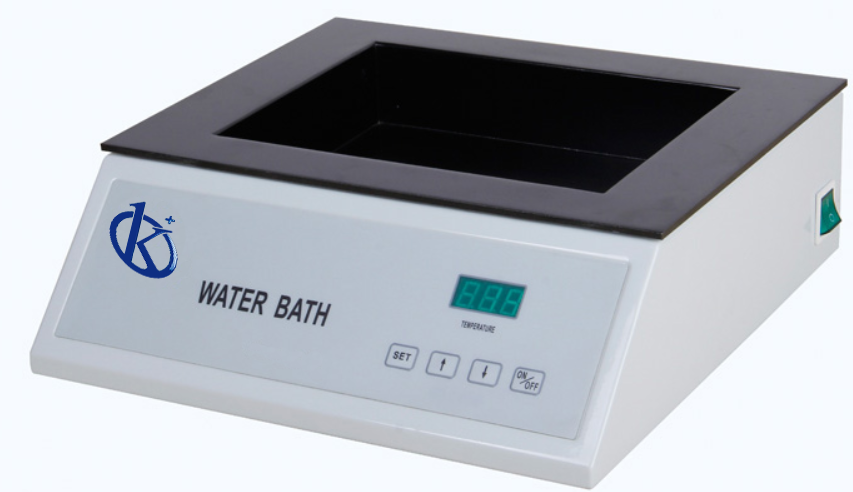
How to Choose a Tissue Water Bath for Energy Sustainability and Environmental Footprint Reduction?
Tissue water baths are essential in laboratories for various applications, including histology and pathology. However, their energy consumption and environmental impact have become crucial considerations for laboratories aiming for sustainability. This article explores the key features of high-quality tissue water baths, focusing on energy efficiency and environmental footprint reduction. We will compare several models to help you make an informed decision.
Understanding Energy Sustainability in Laboratory Equipment
Energy sustainability refers to the practice of using energy resources efficiently to minimize environmental impact. In the context of laboratory equipment, this means selecting devices that consume less energy while providing optimal performance. For tissue water baths, energy-efficient models can significantly reduce operational costs and carbon footprint.
Why Focus on Reducing Environmental Footprint?
Reducing the environmental footprint of laboratory operations is not just a trend but a responsibility. Laboratories are significant energy consumers, and the reduction of their environmental impact contributes to broader sustainability goals. By selecting equipment that utilizes less energy and produces less waste, laboratories can play a crucial role in environmental conservation.
Energy Consumption of Tissue Water Baths
When evaluating tissue water baths, it is essential to consider their energy consumption in kilowatt-hours (kWh) per operation. Energy-efficient models not only save costs but also align with sustainability goals. For instance, the Water Bath YR449 features a 200W power rating, allowing for rapid heating while maintaining low energy use. In contrast, the YR451 model consumes 400W, and the YR452 model consumes 500W, each providing varied functionalities suitable for specific applications.
| Model Code | Power Consumption (W) | Temperature Range (°C) | Best For |
|---|---|---|---|
| YR449 | 200 | RT to 90 | General tissue processing |
| YR451 | 400 | 0 to 85 | Precision heating applications |
| YR452 | 500 | RT to 75 | Specialized flotation tasks |
Comparison of Available Models
When selecting a tissue water bath, it is essential to compare models based on their energy efficiency, features, and applications. Below is a detailed comparison of the models discussed:
| Model | Power Consumption (W) | Temperature Range (°C) | Dimensions (mm) | Price (USD) |
|---|---|---|---|---|
| YR449 | 200 | RT to 90 | 360 × 350 × 120 | 400.00 |
| YR451 | 400 | 0 to 85 | 515 × 420 × 150 | 800.00 |
| YR452 | 500 | RT to 75 | 515 × 420 × 160 | 950.00 |
Common Mistakes and How to Avoid Them
It is common for laboratories to overlook energy consumption when purchasing laboratory equipment. A common mistake is to prioritize price over operational costs. Always consider the long-term energy usage and potential savings. Additionally, ensure that the selected model fits the specific requirements needed for your laboratory processes.
Frequently Asked Questions
How does the YR449 model contribute to energy sustainability in a laboratory setting?
The YR449 model, with its 200W power consumption, allows for rapid heating while minimizing energy use. This efficiency significantly reduces the environmental footprint, making it an excellent choice for laboratories aiming for sustainability.
Which features make the YR451 ideal for precision heating applications?
The YR451 model features a 400W power rating and a temperature range of 0 to 85°C. Its advanced microprocessor controls ensure accuracy and consistency, making it suitable for applications requiring precise thermal conditions.
What is the environmental impact of using a tissue water bath in laboratories?
Tissue water baths, like the YR452, can contribute significant energy consumption to a laboratory's overall footprint. Selecting energy-efficient models can lessen this impact by reducing overall energy use and associated emissions.
How do I select a tissue water bath that meets sustainability standards?
Selecting a tissue water bath like the YR449 focuses on energy efficiency. Look for models with lower wattage and effective heat retention that will also align with sustainability goals.
What are the key specifications to consider when purchasing a tissue water bath?
Key specifications to consider include power consumption, temperature range, size, and features. Models like YR451 and YR452 have advanced features that improve functionality while considering environmental impact.
Can tissue water baths be integrated into sustainable laboratory practices?
Yes, integrating energy-efficient models like the YR449 into laboratory practices promotes sustainability by reducing energy consumption and waste, aligning with contemporary environmental goals.
How often should I maintain my tissue water bath for optimal performance?
Regular maintenance is essential for optimal performance. It is recommended to schedule maintenance checks every six months to ensure that the temperature control and heating elements are functioning correctly.
What are the cost implications of using a tissue water bath in a high-throughput laboratory?
In high-throughput settings, choosing a model like the YR451 can lead to higher operational costs due to its 400W power consumption. However, its precision may justify the costs, as it enhances efficiency and reliability.
If you are looking for a fusion of innovation and quality, you have come to the right place. At Kalstein, we offer you the luxury of exploring our exclusive catalog of laboratory equipment. We manufacture every device to the highest standards of excellence. Our intuitive and seamless online purchasing channels are designed for your convenience, securing the most competitive prices. Hesitate no longer — we bring science to life, it is time to become part of our community.