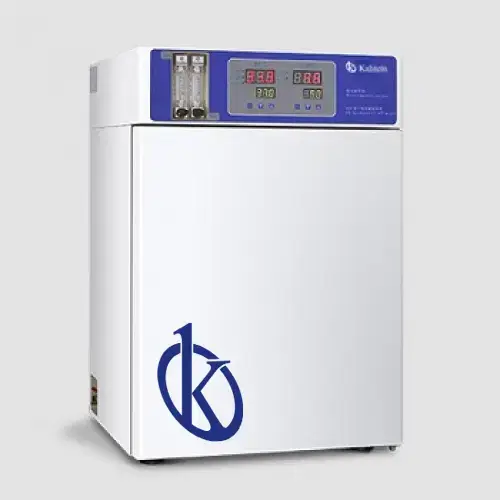
CO₂ Incubators: Practical Applications and Techniques 2026
What is it used for in 2026
CO₂ incubators are essential instruments in laboratory settings, particularly for cell culture, microbiological research, pathology, and life sciences. They provide a controlled environment for the growth of cells, tissues, and microorganisms, crucial for immunology, oncology, genetics, and bioengineering applications. In 2026, the efficiency of these incubators has improved, allowing researchers to maintain optimal conditions for cellular development, nutrient absorption, and contamination prevention.
History and evolution of the technology
The development of CO₂ incubators has evolved from simple heating cabinets to sophisticated instruments equipped with microprocessor controls and advanced gas distribution systems. Initially, incubators provided basic temperature control, but innovations have introduced precise CO₂ regulation, humidity control, and improved sterilization features. Technologies such as infrared CO₂ sensors and forced convection heating have significantly enhanced performance, allowing for rapid recovery of CO₂ levels after door openings, which is essential for sensitive cell cultures.
How to use it step by step
Using a CO₂ incubator involves several systematic steps to ensure optimal conditions for cell growth:
- Setup: Place the CO₂ incubator in a stable environment away from direct sunlight and vibrations.
- Calibration: Before first use, calibrate temperature and CO₂ settings according to manufacturer specifications.
- Loading samples: Place cell culture plates or flasks inside the incubator, ensuring adequate spacing for air circulation.
- Temperature and CO₂ settings: Set the required temperature (usually between 37°C for mammalian cells) and CO₂ concentration (typically 5-10%).
- Monitoring: Regularly check the incubator's readings using built-in digital displays and ensure no fluctuations occur.
- Regular maintenance: Follow a schedule for cleaning and sterilization to prevent contamination.
Best techniques and protocols
When utilizing CO₂ incubators, implementing best practices is crucial for successful cell culture:
- Prevention of contamination: Regularly sterilize the incubator and use sterile techniques when handling cultures.
- Monitoring humidity: Maintain adequate humidity levels to prevent evaporation from culture flasks, using internal water reservoirs if available.
- Use of appropriate media: Select culture media suited for the specific cell lines being used to optimize growth and viability.
Practical applications by laboratory type
CO₂ incubators are utilized across various laboratory types:
- Clinical laboratories: Conducting cell culture for diagnostics and therapeutic investigations.
- Research laboratories: Facilitating genetic engineering, pharmacological studies, and microbiological research.
- Pharmaceutical development: Supporting drug testing and development processes by maintaining optimal conditions for cell lines.
Regulations, standards and certifications
Adhering to regulations such as Good Laboratory Practice (GLP) and ISO standards is vital for laboratories using CO₂ incubators. Certifications provide assurance that equipment meets specific safety and quality standards, ensuring reliability in results and compliance with industry guidelines.
Comparison with alternative technologies
While CO₂ incubators are essential for many applications, alternatives such as static incubators or specialized environmental chambers may be used based on the specific needs of the laboratory. Unlike static incubators, CO₂ incubators provide controlled gas atmospheres, which are critical for sensitive cell lines. However, they may be more expensive and require regular maintenance.
Comparison of available models
| Model | Best for | Key specs | Recommended use case |
|---|---|---|---|
| YR02048 | Cell, tissue, and bacterial cultures | Temperature range: RT + 5 ~ 60°C; CO₂ control: 0 ~ 20% | Ideal for agricultural science and drug production research |
| YR02049 | Cell, tissue, and bacterial cultures | Temperature range: RT + 5 ~ 60°C; CO₂ control: 0 ~ 20% | Recommended for immunology and oncology studies |
| YR02049-1 | Cell culture and microbiological research | Temperature range: RT + 5 ~ 55°C; CO₂ control: 0 ~ 20% | Best for life sciences and pathology applications |
Common mistakes and how to avoid them
Laboratory professionals often make mistakes when using CO₂ incubators. Here are some common pitfalls and how to avoid them:
- Improper calibration: Always follow the manufacturer's guidelines for calibration to ensure accurate environmental conditions.
- Neglecting maintenance: Schedule regular cleaning and service to prevent contamination and malfunction.
- Overloading the incubator: Avoid overcrowding, which can impede airflow and affect temperature and CO₂ levels.
Maintenance, calibration and good practices 2026
To maintain the performance of CO₂ incubators, adhere to the following practices:
- Weekly inspections: Check temperature and CO₂ levels, and ensure the humidity is within desired ranges.
- Periodic calibration: Regularly calibrate all sensors to guarantee accuracy in readings.
- Cleaning protocols: Implement strict cleaning procedures using appropriate disinfectants to prevent contamination.
Cost-benefit analysis 2026
Investing in CO₂ incubators involves evaluating their costs against the benefits they provide. While initial costs can be high, the reliability, precision, and results achieved from using these incubators often justify the investment. Additionally, considering improvements in energy efficiency and reduced maintenance needs in new models can contribute to long-term savings.
Frequently asked questions
What factors should be considered when choosing a CO₂ incubator?
When selecting a CO₂ incubator, consider factors such as temperature and CO₂ range, size, and ease of cleaning. It's also essential to evaluate the incubator's reliability and any additional features like UV sterilization.
How often should CO₂ incubators be calibrated?
Calibration should ideally be performed monthly or whenever there is a significant environmental change to ensure accuracy.
What is the best way to prevent contamination in a CO₂ incubator?
To prevent contamination, practice strict sterile techniques, regularly clean the incubator, and ensure samples are properly sealed before placing them inside.
Can CO₂ incubators be used for all cell types?
While CO₂ incubators are suitable for various cell types, it's essential to confirm that the specific requirements of the cell line being used match the incubator's capabilities.
What maintenance is required for CO₂ incubators?
Regular maintenance includes cleaning the interior surfaces, checking and calibrating the sensors, and inspecting seals and gaskets for wear.
Are there alternative incubator technologies available?
Yes, alternatives such as static incubators or specialized environmental chambers can be employed based on the specific needs of your laboratory.
Where can I request a quote for a CO₂ incubator?
You can easily request a quote for CO₂ incubators by contacting our sales team through our contact channels.
If you are looking for a fusion of innovation and quality, you have come to the right place. At Kalstein, we offer you the luxury of exploring our exclusive catalog of laboratory equipment. We manufacture every device to the highest standards of excellence. Our intuitive and seamless online purchasing channels are designed for your convenience, securing the most competitive prices. Hesitate no longer — we bring science to life, it is time to become part of our community.