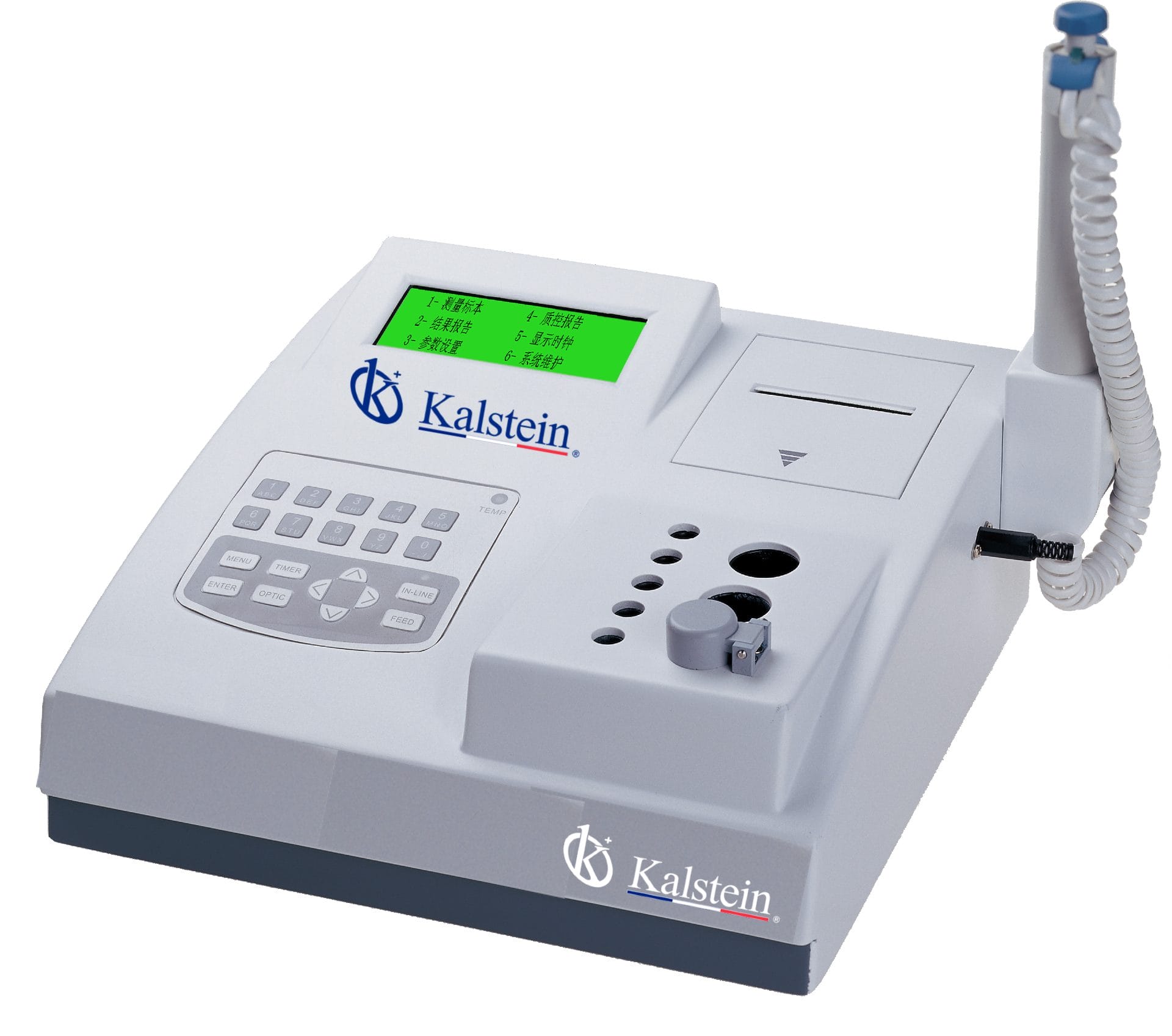
Coagulation Analyzers: Common Mistakes and How to Avoid Them in Daily Operation 2026
Coagulation analyzers play a crucial role in clinical laboratories by providing vital information regarding blood coagulation. Understanding how to properly utilize these devices can enhance laboratory workflows and improve patient outcomes. This article delves into the use of coagulation analyzers in 2026, highlighting common mistakes and providing best practices.
What is it used for in 2026
In 2026, coagulation analyzers are primarily used for diagnosing and monitoring blood coagulation disorders. They enable healthcare professionals to measure various parameters, such as prothrombin time (PT), activated partial thromboplastin time (APTT), and fibrinogen levels. These measurements are critical for managing conditions like hemophilia, thrombosis, and monitoring anticoagulant therapy.
History and evolution of the technology
The technology behind coagulation analyzers has evolved significantly. Initially, manual methods dominated the field, but advancements in automation and optical detection have transformed the landscape. Today’s analyzers offer enhanced accuracy, speed, and the capability to perform multiple tests simultaneously. The introduction of various models, such as YR05117 and YR06083, reflects the ongoing innovation in this essential laboratory equipment.
How to use it step by step
Using a coagulation analyzer involves a systematic approach. Here’s a step-by-step guide:
- Preparation: Ensure the analyzer is calibrated and ready for use. Check for any error messages and ensure that all reagents are available.
- Sample Collection: Use the proper method for blood collection to avoid hemolysis. Collect samples in a citrated tube.
- Sample Processing: Prepare the sample according to the manufacturer's instructions, ensuring correct sample volume.
- Running Tests: Insert the prepared sample into the analyzer. Select the appropriate test from the menu and start the analysis.
- Results Interpretation: Once the analysis is complete, review the results carefully, considering clinical context.
- Documentation: Record the results accurately in the laboratory information system (LIS) and communicate them to the relevant healthcare providers.
Best techniques and protocols
To optimize the performance of coagulation analyzers, adhere to these best techniques and protocols:
- Regularly calibrate and maintain the equipment to ensure accurate results.
- Use high-quality reagents and adhere to expiration dates.
- Follow manufacturer guidelines for sample handling and processing.
- Implement quality control measures for each batch of tests.
- Train staff on proper usage and troubleshooting procedures.
Practical applications by laboratory type
Coagulation analyzers can be used in various laboratory settings:
- Clinical Laboratories: For routine testing of PT, APTT, and fibrinogen levels.
- Research Laboratories: For studies involving coagulation pathways and drug effects on coagulation.
- Point-of-Care Testing: For rapid diagnosis of coagulation status in emergency settings.
Regulations, standards and certifications
Coagulation analyzers must comply with various regulations and standards, including:
- ISO 15189 for medical laboratories.
- CLIA regulations for laboratory testing in the United States.
- FDA approval for devices used in clinical settings.
Comparison with alternative technologies
While coagulation analyzers are essential, alternative technologies include:
- Manual Testing: More time-consuming with a higher potential for human error.
- Pocket-sized Coagulation Monitors: Useful for point-of-care but limited in test parameters.
Comparison of available models
| Model | Best for | Key specs | Recommended use case |
|---|---|---|---|
| YR05117 | Basic coagulation testing | Net weight: 5 kg, Price: $750 | Routine testing in small to medium laboratories |
| YR05118 | Expanded testing capabilities | Net weight: 5 kg, Price: $600 | Laboratories requiring multiple tests |
| YR06083 | High-throughput testing | Net weight: 110 kg, Price: $13,000 | Large-scale laboratories with high sample volume |
| YR06082 | Comprehensive analysis | Net weight: 53 kg, Price: $6,800 | Research settings and advanced coagulation testing |
Common mistakes and how to avoid them
Here are some common mistakes made during the operation of coagulation analyzers and how to avoid them:
- Incorrect sample handling: Always ensure proper collection and storage of samples to avoid hemolysis.
- Not calibrating regularly: Schedule regular calibration to maintain accuracy.
- Ignoring quality control: Implement routine quality control checks on reagents and equipment.
- Failing to train staff: Regularly train personnel on new protocols and troubleshooting.
Maintenance, calibration and good practices 2026
Regular maintenance and calibration are essential for optimal performance. Key practices include:
- Establish a routine maintenance schedule based on the manufacturer’s recommendations.
- Keep a detailed log of maintenance activities and calibration dates.
- Ensure that reagents are stored correctly and are within their expiration dates.
Cost-benefit analysis 2026
Investing in a coagulation analyzer can bring significant benefits:
- Accuracy: Reduces the chance of human error compared to manual testing.
- Efficiency: Increases throughput and reduces wait times for test results.
- Cost Savings: Long-term savings from reduced staff hours and improved patient management.
Frequently asked questions
What should I consider when choosing a coagulation analyzer?
Consider the testing volume, range of tests offered, ease of use, and maintenance requirements when selecting a coagulation analyzer.
How often should I calibrate my coagulation analyzer?
Calibration frequency depends on the manufacturer’s recommendations and the volume of tests performed but should be done at least monthly.
What are the common assays performed on coagulation analyzers?
Common assays include PT, APTT, and fibrinogen, among others, which are critical for diagnosing coagulation disorders.
How can I ensure the accuracy of my test results?
Regular calibration, quality control checks, and properly trained staff help ensure the accuracy of results from coagulation analyzers.
What is the importance of using high-quality reagents?
High-quality reagents are essential for accurate results and can significantly affect the performance of coagulation tests.
Can I use a coagulation analyzer for point-of-care testing?
Yes, some coagulation analyzers are designed for point-of-care testing, offering rapid results in critical situations.
How do I troubleshoot common issues with coagulation analyzers?
Refer to the manufacturer’s manual, ensure proper calibration, check for reagent quality, and verify sample handling protocols for troubleshooting.
If you are looking for a fusion of innovation and quality, you have come to the right place. At Kalstein, we offer you the luxury of exploring our exclusive catalog of laboratory equipment. We manufacture every device to the highest standards of excellence. Our intuitive and seamless online purchasing channels are designed for your convenience, securing the most competitive prices. Hesitate no longer — we bring science to life, it is time to become part of our community.