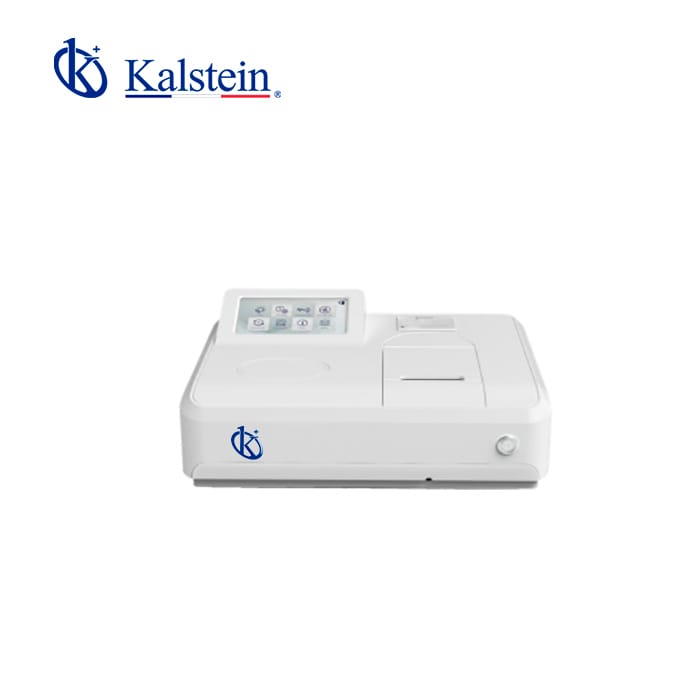
COD/BOD Analyzers: Practical Applications and Techniques 2026
COD/BOD analyzers are critical tools in modern laboratories, designed to provide accurate measurements of Chemical Oxygen Demand (COD) and Biological Oxygen Demand (BOD) in various samples. These parameters are essential for assessing water quality and pollution levels in environmental monitoring, wastewater treatment, and industrial processes. This guide offers laboratory professionals a detailed overview of how to effectively use these analyzers in 2026, discussing their applications, techniques, best practices, and real laboratory workflows.
What is it used for in 2026
In 2026, COD/BOD analyzers are primarily used to measure the organic matter present in water samples. These measurements help determine the level of pollution, assess the efficiency of wastewater treatment processes, and monitor the environmental impact of industrial activities. The accurate assessment of COD and BOD is crucial for regulatory compliance and ensuring safe water discharges into the environment.
History and evolution of the technology
The technology behind COD and BOD measurement has evolved significantly over the years. Initially, these tests were performed using manual titration methods, which were time-consuming and prone to human error. With the advent of spectrophotometry and automated systems in the late 20th century, laboratories began using more sophisticated equipment. Today, COD/BOD analyzers feature advanced sensor technologies, user-friendly interfaces, and automated data logging, making them more efficient and reliable than ever before.
How to use it step by step
Using COD/BOD analyzers involves a systematic approach to ensure accurate results. Here’s a step-by-step guide:
- Sample Collection: Collect water samples in clean, contamination-free containers. Ensure that samples are representative of the source.
- Preparation: Prepare the samples as per the analyzer’s guidelines, which may involve dilution or addition of reagents.
- Calibration: Calibrate the analyzer according to the manufacturer’s instructions. This may involve running standard solutions to ensure accuracy.
- Measurement: Place the sample in the analyzer and initiate the measurement process. For models with touch screens, follow the on-screen prompts.
- Data Recording: Once the measurement is complete, the results will be displayed. Ensure to record the data for further analysis.
- Cleaning: Clean the sample chamber and any accessories used to prevent cross-contamination for future tests.
Best techniques and protocols
To achieve reliable results, specific techniques and protocols should be followed:
- Ensure proper calibration before each use.
- Use freshly prepared reagents to avoid degradation.
- Follow standard protocols for sample handling and storage.
- Regularly maintain and clean the analyzers to prolong their lifespan.
Practical applications by laboratory type
COD/BOD analyzers are utilized across various laboratory settings:
- Environmental Laboratories: Used for monitoring water quality in rivers, lakes, and other bodies of water.
- Wastewater Treatment Plants: Essential for assessing treatment efficiency and compliance with discharge regulations.
- Industrial Laboratories: Employed to monitor effluents from manufacturing processes to ensure environmental safety.
Regulations, standards and certifications
In many regions, the measurement of COD and BOD is governed by strict regulations to ensure water safety. Standards such as ISO 15705 for COD and ISO 5815 for BOD provide guidelines for laboratory practices and equipment calibration. Compliance with these standards is crucial for laboratories to maintain their accreditation and ensure that their testing methods produce reliable results.
Comparison with alternative technologies
While COD/BOD analyzers are widely used, alternative technologies exist:
- Respirometry: Measures the oxygen consumption of microorganisms, providing an indirect measurement of BOD.
- Infrared Spectroscopy: Used for rapid COD testing but may require more complex data interpretation.
Comparison of available models
| Model | Best for | Key specs | Recommended use case |
|---|---|---|---|
| YR06295 | Laboratory settings requiring fast COD testing | Measurement Method: Rapid digestion spectrophotometry; Range: 10-10000mg/L; Accuracy: <5%; Resolution: 0.01 | Ideal for routine analysis of wastewater samples. |
| YR06296 | Field testing and portable applications | Measurement Method: Rapid digestion spectrophotometry; Range: 10-10000mg/L; Accuracy: ≤5% | Perfect for environmental field studies where portability is essential. |
| YR06297 | BOD testing with multiple samples | Test Range: 0-4000 mg/L; Test Duration: 1-30 days; Six independent test channels | Best suited for complex BOD analysis in research laboratories. |
| YR06298 | Sample digestion processes | Operating Temperature: 0-50℃; Capacity: 16 test tubes; Precision: ±1℃ | Recommended for laboratories needing precise digestion control. |
Common mistakes and how to avoid them
Laboratory professionals should be aware of common pitfalls:
- Improper Sample Handling: Always use clean containers and avoid contamination.
- Skipping Calibration: Regular calibration is essential for accurate results.
- Neglecting Maintenance: Regular maintenance and cleaning can prevent equipment failure.
Maintenance, calibration and good practices 2026
To ensure the longevity and accuracy of COD/BOD analyzers, implement the following practices:
- Regularly check and calibrate the equipment as per the manufacturer's recommendations.
- Perform routine cleaning to remove residues that may affect future tests.
- Document all maintenance activities to track the performance and condition of the equipment.
Cost-benefit analysis 2026
Investing in COD/BOD analyzers can yield significant benefits, including:
- Increased Efficiency: Automated systems reduce manual labor and improve turnaround times.
- Improved Accuracy: Advanced technology minimizes human error, providing reliable results.
- Compliance Assurance: Meeting regulatory standards helps avoid fines and legal issues.
Frequently asked questions
How do I choose the right COD/BOD analyzer for my lab?
Consider the specific needs of your laboratory, including sample throughput, required measurement range, and whether portability is essential. Evaluate the features of each model to determine the best fit for your applications.
What are the typical maintenance requirements for COD/BOD analyzers?
Regular cleaning of sample chambers, calibration checks, and software updates are crucial to maintaining the performance of COD/BOD analyzers. Refer to the manufacturer's guidelines for specific maintenance schedules.
Can I use COD/BOD analyzers for field testing?
Yes, portable models like the COD Analyzer Portable YR06296 are designed for field testing applications. Ensure that you follow proper protocols for sample collection and handling in field conditions.
What should I do if I get inconsistent results from my analyzer?
Inconsistent results may indicate calibration issues, contamination of samples, or equipment malfunction. Review your protocols, ensure proper maintenance, and recalibrate the device as necessary.
Are there specific training requirements for using COD/BOD analyzers?
While basic training on the operation and maintenance of the analyzers is beneficial, laboratory professionals should also be familiar with regulatory standards and safety protocols related to water quality testing.
How do I ensure compliance with regulations during testing?
Regularly consult the latest regulations and standards in your region, ensure that your equipment is calibrated according to those standards, and maintain meticulous records of all testing procedures and results.
If you are looking for a fusion of innovation and quality, you have come to the right place. At Kalstein, we offer you the luxury of exploring our exclusive catalog of laboratory equipment. We manufacture every device to the highest standards of excellence. Our intuitive and seamless online purchasing channels are designed for your convenience, securing the most competitive prices. Hesitate no longer — we bring science to life, it is time to become part of our community.