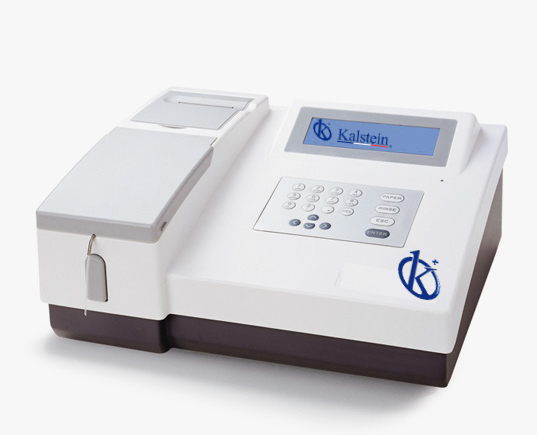
Comparative Analysis of Chemical Analyzers: Key Features and Performance Metrics
In the realm of laboratory diagnostics, the choice of chemical analyzers is crucial for ensuring accurate and timely test results. With a variety of models available, understanding their respective capabilities and performance metrics enables laboratory professionals to make informed decisions. This article delves into the comparative analysis of several chemical analyzers, assessing their features and best-fit scenarios for varied laboratory environments.
Understanding the Role of Chemical Analyzers
Chemical analyzers serve as pivotal devices in laboratories for conducting various tests involving blood, urine, and other biological samples. They facilitate accurate detection of chemical compounds, enabling healthcare professionals to diagnose diseases and monitor patient status effectively. As technology evolves, modern analyzers offer advanced functionalities that streamline laboratory workflows, enhance precision, and improve overall productivity.
Comparison of Available Models
| Model | Key Specs | Best For | Price (USD) |
|---|---|---|---|
| YR05115 | 5-inch color LCD, real-time curve visualization, 10,000 results memory | Small to medium labs requiring semi-automated testing | 800.00 |
| YR05114 | 5-inch color LCD, 80 preprogrammed tests, RS232 interface | Routine tests with flexibility for various sample types | 950.00 |
| YR06092 | Portable, adjustable temperature up to 45°C, compact design | Field labs and mobile testing environments | 150.00 |
| YR06075 | 560 tests/hour, 12 wavelengths, automatic washing system | High-throughput laboratories needing rapid analysis | 12,500.00 |
| YR05116 | Windows OS, continuous wavelength adjustment, high precision | Versatile testing for a range of chemical analyses | 1,300.00 |
| YR06078 | 7 wavelengths, LCD touch screen, 10,000 results storage | Balanced performance for both routine and special tests | 1,100.00 |
Technical Comparison and Capability Assessment
The technical specifications of chemical analyzers are essential for determining which model best suits the specific requirements of a laboratory. When assessing instruments, it is vital to consider parameters such as throughput, wavelength precision, and system reliability.
Throughput Comparison
Throughput is a critical factor for labs handling large volumes of tests. The YR06075, boasting a capacity of 560 tests per hour, significantly outperforms other models, making it ideal for high-demand laboratory settings. In contrast, semi-automatic models like the YR05115 and YR05116 are better suited for smaller workloads but still deliver reliable performance.
Wavelength Precision
Different tests may require specific wavelengths for accurate results. Analyzers such as the YR06075 feature a diverse range of wavelengths, allowing extensive testing capabilities. In contrast, models like the YR06078, while versatile, offer fewer wavelengths but still suffice for standard analyses.
Operational Efficiency and User Experience
Operational efficiency directly ties into the user experience of chemical analyzers. Features like touchscreen interfaces and real-time data visualization enhance usability, allowing technicians to navigate tests more effectively. Models like YR05116 and YR06078 incorporate intuitive designs that simplify complex workflows.
Common Mistakes and How to Avoid Them
When selecting a chemical analyzer, laboratories often encounter pitfalls. Understanding these common mistakes can avert costly errors and enhance laboratory outcomes.
- Overlooking Specific Testing Needs: Always align the choice of analyzer with the specific types of tests most frequently performed in your lab.
- Ignoring Connectivity Options: Ensure the selected model supports integration with laboratory information systems (LIS) for seamless data management.
Advantages of Modern Chemical Analyzers
Modern chemical analyzers provide numerous advantages over traditional methods, including improved accuracy, faster turnaround times, and reduced manual errors. Features such as automatic calibration and smart software integrations enhance overall lab productivity.
Frequently Asked Questions
What are the benefits of using semi-automatic chemical analyzers in labs?
Semi-automatic chemical analyzers, like the YR05115, offer a blend of automation and manual operation, making them ideal for labs with varied testing requirements. They provide flexibility and user control, enhancing accuracy while accommodating different workflows.
How does throughput affect laboratory efficiency in chemical analyses?
Throughput directly influences how many tests can be processed in a given time frame. For instance, the YR06075 processes 560 tests per hour, which is beneficial for high-demand labs, reducing wait times for results.
What should I consider when integrating a chemical analyzer with a laboratory information system?
When integrating, ensure compatibility with the LIS protocols, such as HL7 or ASTM. Analyzers like the YR05116 provide RS232 and USB connections, facilitating straightforward integration with existing systems.
Which models are best for portable chemical analysis in field applications?
The YR06092 is designed for portability and ease of use in the field, making it ideal for scenarios where laboratory space is limited or when tests must be conducted in remote locations.
What is the average lifespan of a chemical analyzer in a laboratory?
The lifespan typically ranges from 5 to 10 years, depending on usage and maintenance. Models like the YR06075, with robust construction and automatic cleaning features, can extend operational life through efficient usage.
How do I evaluate the cost-effectiveness of a chemical analyzer?
Consider both initial investment and operational costs, such as consumables and maintenance, against throughput and test accuracy. Calculating the cost per test can provide insights into long-term cost-effectiveness.
Why is wavelength precision important in chemical analysis?
Wavelength precision is critical for accurate measurements in chemical analyses. Analyzers like the YR06075, with up to 12 wavelengths, ensure test reliability by catering to diverse analytical requirements.
What features should I look for in a high-throughput chemical analyzer?
Look for models like YR06075 that offer high test capacities, automatic washing systems, and robust data management capabilities. These features contribute to efficiency and scalability in high-demand testing environments.
If you are looking for a fusion of innovation and quality, you have come to the right place. At Kalstein, we offer you the luxury of exploring our exclusive catalog of laboratory equipment. We manufacture every device to the highest standards of excellence. Our intuitive and seamless online purchasing channels are designed for your convenience, securing the most competitive prices. Hesitate no longer — we bring science to life, it is time to become part of our community.