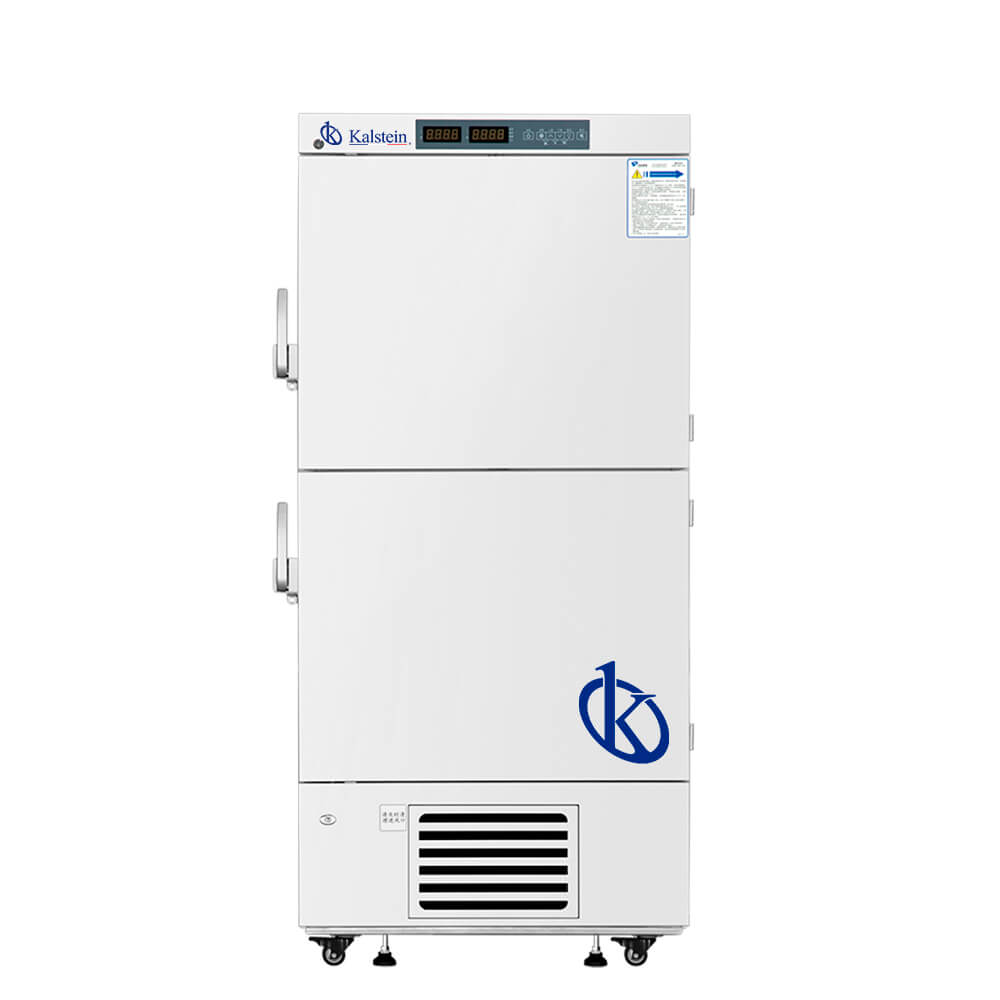
Comparative Analysis of Low Temperature Freezers: Understanding Market Alternatives
In the realm of laboratory equipment, low temperature freezers play a crucial role in preserving samples, reagents, and biological materials. This article will provide an in-depth comparative analysis of various models available in the low temperature freezer market, focusing on their specifications, features, and suitability for specific applications. With multiple options available, laboratory professionals must consider various factors, including temperature control, alarm systems, energy consumption, and overall reliability. Let's delve into this essential equipment and explore how each model stacks up against the others.
Overview of Low Temperature Freezers
Low temperature freezers are designed to maintain extremely low temperatures, typically from -10°C to -40°C, which is essential for the storage of sensitive materials that require stable environments. These freezers are characterized by features such as dual compartments, adjustable shelving, alarm systems, and energy-efficient designs. Selecting the right model involves understanding the operational needs of the laboratory and comparing among various options available on the market.
Comparison of Available Models
| Model | Cooling Method | Temperature Range (°C) | Energy Consumption (kWh/24h) | Noise Level (dB) | Price (USD) |
|---|---|---|---|---|---|
| YR05100 | Direct Cooling | -20 to -40 | 6.7 | 55 | 1830.00 |
| YR05309 | Direct Cooling | -20 to -40 | 5.5 | 49 | 1620.00 |
| YR05311 | Direct Cooling | -10 to -25 | 5.5 | 49 | 1360.00 |
Key Features and Specifications
Each low temperature freezer model brings unique features to the table. For instance, the YR05100 is designed with dual compartments, allowing for flexible storage options and maintaining sample integrity, making it ideal for laboratories that handle a variety of materials. On the other hand, the YR05309 model stands out with its advanced alarm systems and energy-efficient design, which is critical for labs that prioritize compliance and sustainability. Finally, the YR05311 model is specifically optimized for laboratory use, with multiple drawers and compartmentalized temperature control for enhanced reliability.
Advantages of Low Temperature Freezers
Low temperature freezers provide significant advantages to laboratory professionals. They ensure the integrity of sensitive samples and reagents, thus reducing the risk of degradation and loss. Moreover, with various features such as manual defrosting, adjustable shelves, and alarm indicators, these devices contribute to streamlining laboratory workflows. Understanding how these advantages translate into practical applications is essential for making informed purchasing decisions.
Common Mistakes and How to Avoid Them
Laboratory professionals often make mistakes when selecting low temperature freezers. A common pitfall is not assessing the specific needs of their laboratory accurately. For example, choosing a model with excessive temperature range or energy consumption can lead to unnecessary expenses. Additionally, overlooking the importance of alarm systems and temperature monitoring can compromise the safety of stored samples. To avoid these mistakes, professionals should carefully evaluate their requirements and consider models that best fit their operational needs.
Energy Efficiency Considerations
Energy efficiency is a critical factor when selecting a low temperature freezer. Freezers operate continuously, and their energy consumption can significantly impact operational costs. Models like the YR05309, with a consumption rate of 5.5 kWh/24h, provide effective performance while minimizing energy usage. Implementing energy-efficient practices not only reduces costs but also supports environmental sustainability goals.
Performance Reliability
Reliability is paramount when it comes to low temperature freezers. Issues such as power failures or sensor malfunctions can compromise the integrity of stored materials. The YR05309 model includes multiple alarms for high and low temperatures, ensuring prompt notifications in case of deviations. Regular maintenance and calibration of freezers are also recommended to uphold performance reliability, which is essential for laboratories handling precious samples and reagents.
Future Trends in Low Temperature Freezer Technology
The future of low temperature freezers is likely to be shaped by advancements in technology. Innovations such as smart monitoring systems, enhanced insulation materials, and integration with laboratory information management systems (LIMS) are on the horizon. These advancements promise to further improve energy efficiency and operational precision, catering to the evolving needs of laboratory environments.
Frequently Asked Questions
What are the key features of the YR05100 low temperature freezer?
The YR05100 low temperature freezer features a simple temperature control system, dual door construction, and adjustable shelf trays, making it suitable for flexible storage needs in laboratories operating at -20 to -40 degrees Celsius.
How does the YR05309 model ensure temperature reliability?
The YR05309 model is equipped with multiple alarms for high and low temperatures, ensuring a reliable monitoring system that alerts users of any deviations, which is crucial for maintaining sample integrity in low temperature freezers.
Which low temperature freezers are best for energy efficiency?
Among the models compared, the YR05309 stands out for its energy consumption of 5.5 kWh/24h, showcasing its effectiveness in maintaining low temperatures while minimizing operational costs in laboratory settings.
What is the temperature range of the YR05311 laboratory freezer?
The YR05311 laboratory freezer has a temperature range of -10 to -25 degrees Celsius, making it suitable for a variety of laboratory applications while ensuring the preservation of sensitive materials.
How can I integrate a low temperature freezer with a LIMS system?
To integrate a low temperature freezer like the YR05100 with a LIMS system, users should consider models that support connectivity protocols and ensure proper data management, enhancing laboratory efficiency in sample handling.
What safety features should I look for in a low temperature freezer?
When selecting a low temperature freezer, look for models with reliable alarm systems for temperature fluctuations, such as the YR05309, which can alert users to potential issues, ensuring the safety of stored samples.
How do different models of low temperature freezers differ in price?
The prices of low temperature freezers vary by features and specifications. For example, the YR05311 is priced at $1360.00, while the YR05100 is available for $1830.00, reflecting their distinct features and capacities.
How do I maintain a low temperature freezer for optimal performance?
Optimal performance of a low temperature freezer, like the YR05309, can be maintained through regular maintenance checks, calibration, and ensuring adequate airflow around the unit to prevent overheating and ensure efficient operation.
For those looking to invest in a low temperature freezer, we invite you to request a quote today to explore our range of options tailored to your laboratory's specific needs.
If you are looking for a fusion of innovation and quality, you have come to the right place. At Kalstein, we offer you the luxury of exploring our exclusive catalog of laboratory equipment. We manufacture every device to the highest standards of excellence. Our intuitive and seamless online purchasing channels are designed for your convenience, securing the most competitive prices. Hesitate no longer — we bring science to life, it is time to become part of our community.