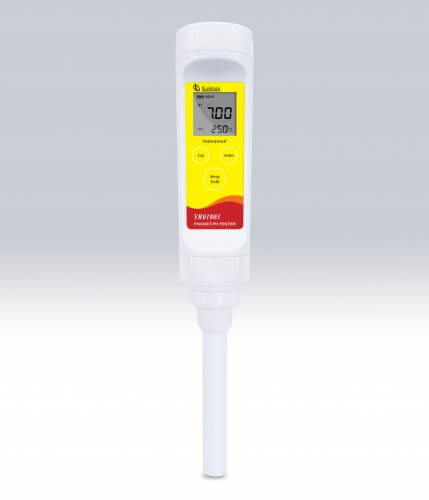
Comparative Analysis of Portable pH Meters and Alternative Technologies
Portable pH meters are essential tools in various laboratory and field applications, known for their convenience and accuracy. This article provides a detailed comparison of portable pH meters with alternative technologies, highlighting their advantages, applications, and specific models suitable for various needs. With the increasing demand for precise pH measurement in industries like environmental monitoring, food processing, and pharmaceuticals, understanding the features and capabilities of these devices is crucial.
Understanding Portable pH Meters
Portable pH meters are designed for field use, offering accurate measurements in a compact and lightweight format. They typically feature a digital display, various calibration options, and temperature compensation to ensure precision in diverse conditions. As laboratory professionals seek reliable instruments for on-site testing, these devices have evolved with advanced technologies, providing improved accuracy and ease of use.
Comparison of Available Models
| Model | pH Range | Calibration Points | Temperature Compensation | Price (USD) |
|---|---|---|---|---|
| YR01803 | -1.00 to 15.00 | 1 to 3 points | Automatic | 77.00 |
| YR01804 | -1.00 to 15.00 | 1 to 3 points | Manual | 75.00 |
| YR01800 | -1.00 to 15.00 | 1 to 3 points | Automatic | 18.00 |
| YR01800-1 | -1.00 to 15.00 | 1 to 3 points | Automatic | 24.00 |
| YR01802 | -1.00 to 15.00 | 1 to 3 points | Automatic | 94.00 |
| YR01802-1 | -1.00 to 15.00 | 1 to 3 points | Automatic | 72.00 |
Common Mistakes and How to Avoid Them
Many users make mistakes when operating portable pH meters, often due to a lack of understanding of calibration procedures and proper maintenance. Common issues include failing to calibrate the device regularly, using incorrect buffer solutions, and neglecting to clean the electrode after use. To avoid these pitfalls, always follow the manufacturer's guidelines for calibration and maintenance, and ensure the correct buffers are used for each calibration point.
Features to Consider When Choosing Portable pH Meters
When selecting a portable pH meter, consider factors like range, accuracy, calibration options, battery life, and ease of use. For instance, the YR01803 model is known for its high precision and automatic temperature compensation, making it ideal for laboratory settings where accuracy is paramount. Meanwhile, the YR01800 is lightweight and very portable, perfect for fieldwork. Assessing your specific needs and the environments in which you will use the device is essential.
Alternative Technologies in pH Measurement
While portable pH meters are widely used, alternative technologies such as benchtop pH meters and ion-selective electrodes also exist. Benchtop models generally offer higher precision and additional features but lack the portability of handheld devices. Ion-selective electrodes provide targeted pH measurement but require specific maintenance and calibration. Understanding the limitations and advantages of each type can help in selecting the best tool for your application.
Benefits of Portable pH Meters
Portable pH meters provide numerous benefits, including convenience, flexibility, and the ability to measure pH in various environments. Their compact nature allows for easy transportation and quick field testing. For professionals in environmental monitoring or food safety, these devices enable immediate data collection, facilitating timely decision-making. Models like the YR01804 offer manual temperature compensation, which can be beneficial in fluctuating conditions.
Market Trends and Innovations
The market for portable pH meters is continuously evolving, with innovations focused on enhancing user experience and measurement accuracy. Current trends include the integration of Bluetooth technology for data transfer and cloud-based applications for data management. These advancements allow for better tracking of results and easier compliance with industry standards. Keeping abreast of these trends is crucial for laboratory professionals to leverage the latest functionalities.
Frequently Asked Questions
What are the key differences between portable pH meters and benchtop models?
Portable pH meters are designed for field use, offering mobility and ease of use, while benchtop models provide higher precision and advanced features suited for laboratory environments. For instance, the YR01803 excels in portability, making it ideal for on-site testing, whereas more sophisticated benchtop models may be more suitable for complex laboratory analyses.
How accurate are portable pH meters compared to laboratory models?
Portable pH meters like the YR01802 deliver accuracy levels of ±0.01 pH, which is competitive with many laboratory models. However, laboratory models often provide enhanced precision due to better calibration options and stability in controlled environments. For critical analyses, a lab-grade model might be preferred.
What calibration techniques should I use for portable pH meters?
Calibration of portable pH meters should typically involve 1 to 3 standard buffer solutions, such as pH 4.01, 7.00, and 10.01, as recognized by models like YR01803 and YR01804. Regular calibration ensures accurate measurements, especially in varying temperature environments.
Can portable pH meters be used for all sample types?
While portable pH meters like the YR01800 can handle a wide range of samples, some models are specialized for specific types such as liquids or semi-solids. For example, the YR01802 is particularly effective for measuring the pH of semi-solid materials, making it versatile for various applications.
What are the maintenance requirements for portable pH meters?
Maintenance for portable pH meters includes regular calibration, proper cleaning of the electrode, and ensuring the device is stored correctly. For instance, the YR01804 requires manual temperature compensation, which necessitates user awareness to maintain accuracy in readings.
How do I choose the right portable pH meter for my application?
Selecting the right portable pH meter involves assessing factors such as accuracy, range, portability, and specific application needs. For example, the YR01803 is suitable for laboratory settings due to its high precision, while the YR01800 is designed for field portability.
What features improve the performance of portable pH meters?
Key features that enhance performance include automatic temperature compensation, multiple calibration points, and durable electrode designs. Models like the YR01802 incorporate dual display options and robust designs, which contribute to reliable performance in challenging conditions.
If you are looking for a fusion of innovation and quality, you have come to the right place. At Kalstein, we offer you the luxury of exploring our exclusive catalog of laboratory equipment. We manufacture every device to the highest standards of excellence. Our intuitive and seamless online purchasing channels are designed for your convenience, securing the most competitive prices. Hesitate no longer — we bring science to life, it is time to become part of our community.