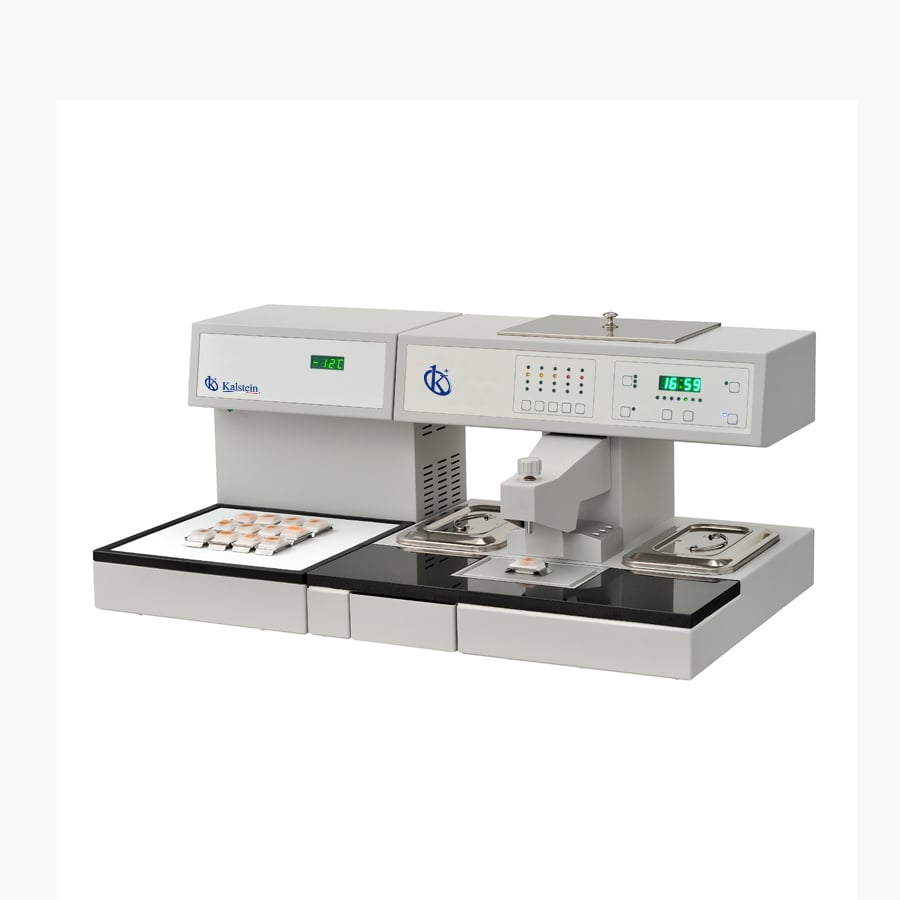
Comparative Analysis of Tissue Embedding Systems: Choosing the Best Model for Your Laboratory Needs
Tissue embedding systems play a crucial role in histology and pathological anatomy by ensuring precise and efficient tissue processing. As laboratories strive to enhance workflow efficiency and maintain high-quality standards, selecting the right tissue embedding system becomes essential. This article provides a comprehensive comparative analysis of several leading models, focusing on their technological features, performance capabilities, and how they stand against alternative market technologies.
Understanding Tissue Embedding Systems
A tissue embedding system is designed to provide a controlled environment for embedding tissue samples in paraffin wax, facilitating the creation of stable sections for microscopic examination. Key considerations when selecting a tissue embedding system include temperature control, programmability, ease of use, and the capacity to integrate with laboratory workflows. In this analysis, we will examine models such as the YR441, YR447, YR439, YR445, YR439-1, and YR440B, discussing their unique features within the context of current technological trends.
Comparison of Available Models
| Model | Capacity (liters) | Temperature Range (℃) | Control Precision (%) | Price (USD) | Best for |
|---|---|---|---|---|---|
| YR441 | 3 | 55 - 70 | ±1 | 2200.00 | High flexibility in operations |
| YR447 | 4 | RT - 85 | ±1 | 2800.00 | Rapid heating and energy efficiency |
| YR439 | 3 | 55 - 70 | ±1 | 1300.00 | Cost-effective for basic needs |
| YR445 | 4 | RT - 85 | ±1 | 1800.00 | Enhanced ergonomic design |
| YR439-1 | >6 | TA - 85 | ±1 | 2100.00 | Advanced automation capabilities |
| YR440B | — | 0 to -20 | — | 1100.00 | Cooling and preservation |
Comparative Analysis with Alternative Technologies
While tissue embedding systems are integral to histology, alternatives such as cryoembedding and rapid freezing techniques have emerged. Cryoembedding offers the advantage of rapid sample processing at lower temperatures, but it may lack the stability provided by traditional embedding methods. In contrast, systems like the YR447, with its innovative heating elements, provide a competitive edge in terms of speed and energy efficiency, which is vital for high-throughput environments.
Key Features of Leading Models
YR441: Versatile and Programmable
The YR441 model is designed with five independently controlled heating areas, ensuring optimal temperature management for various samples. This model's programmability allows users to schedule automatic start and stop times, providing unparalleled flexibility.
YR447: Efficiency and Control
YR447 stands out for its silicone heating elements that deliver rapid and even heating. This model’s ability to operate with low energy consumption makes it an excellent choice for laboratories focused on sustainability and cost-effectiveness.
YR439: Budget-Friendly without Compromise
For laboratories on a budget, the YR439 offers essential features without compromising on quality. It supports effective sample processing while maintaining a user-friendly interface and programmable control options.
YR445: Ergonomics Meets Functionality
The YR445 model emphasizes ergonomic design, making sample handling easier and more comfortable. Its adjustable LED lighting enhances visibility, further supporting efficient workflow.
YR439-1: Advanced Automation
With an OLED display and sophisticated temperature control, the YR439-1 provides advanced automated functions. This model is perfect for high-volume laboratories that require precise control and reliability.
YR440B: Cooling Capabilities
YR440B is designed for laboratories needing efficient cooling solutions. Its use of environmentally friendly refrigerants and minimal noise operation ensures it meets modern laboratory standards.
Common Mistakes and How to Avoid Them
When selecting a tissue embedding system, laboratories often overlook critical factors that affect performance and efficiency. Here are common pitfalls:
- Neglecting Temperature Control: Ensure the model offers accurate temperature control, as seen in YR447, which maintains temperatures up to 85℃.
- Ignoring Capacity Needs: Choose a model like YR445 with a suitable capacity for your volume of samples to avoid bottlenecks.
- Overlooking Programmability: Opt for programmable models like YR441 for enhanced flexibility in scheduling operations.
Frequently Asked Questions
How does programmability in tissue embedding systems enhance laboratory efficiency?
Programmability in tissue embedding systems, such as the YR441, allows for automated scheduling of operations. This feature minimizes the need for constant monitoring, thereby enhancing overall laboratory workflow and efficiency.
What temperature ranges are ideal for effective tissue embedding?
Effective tissue embedding typically requires a controlled temperature range. For instance, the YR447 model operates between RT and 85℃, providing optimal conditions for various specimen types.
Which model offers the best energy efficiency for high-throughput labs?
The YR447 is known for its rapid heating capabilities and reduced energy consumption, making it an optimal choice for high-throughput laboratories aiming for sustainability.
How does the YR439 model compare to others in terms of cost-effectiveness?
The YR439 is one of the most budget-friendly options, priced at $1300. Despite its lower cost, it still provides essential features suitable for effective tissue processing.
What are the advantages of using a model with ergonomic design in embedding?
Models like the YR445, designed with ergonomics in mind, enhance user comfort and reduce strain during sample handling, leading to improved productivity and reduced fatigue.
How does cooling technology in the YR440B benefit tissue preservation?
The YR440B model utilizes environmentally friendly refrigerants to maintain optimal cooling conditions. Its effective cooling technology ensures tissue samples are preserved without compromising quality.
Why is temperature control precision important in tissue embedding systems?
Temperature control precision, such as the ±1% accuracy found in models like YR441 and YR447, is critical for achieving consistent results in tissue processing, impacting the quality of microscopic examination.
What factors should I consider when selecting a tissue embedding system?
When choosing a tissue embedding system, consider factors such as capacity, temperature range, programmability, and energy efficiency. Models like YR445 offer ergonomic design, while YR439 provides a cost-effective solution without sacrificing essential functionalities.
If you are looking for a fusion of innovation and quality, you have come to the right place. At Kalstein, we offer you the luxury of exploring our exclusive catalog of laboratory equipment. We manufacture every device to the highest standards of excellence. Our intuitive and seamless online purchasing channels are designed for your convenience, securing the most competitive prices. Hesitate no longer — we bring science to life, it is time to become part of our community.