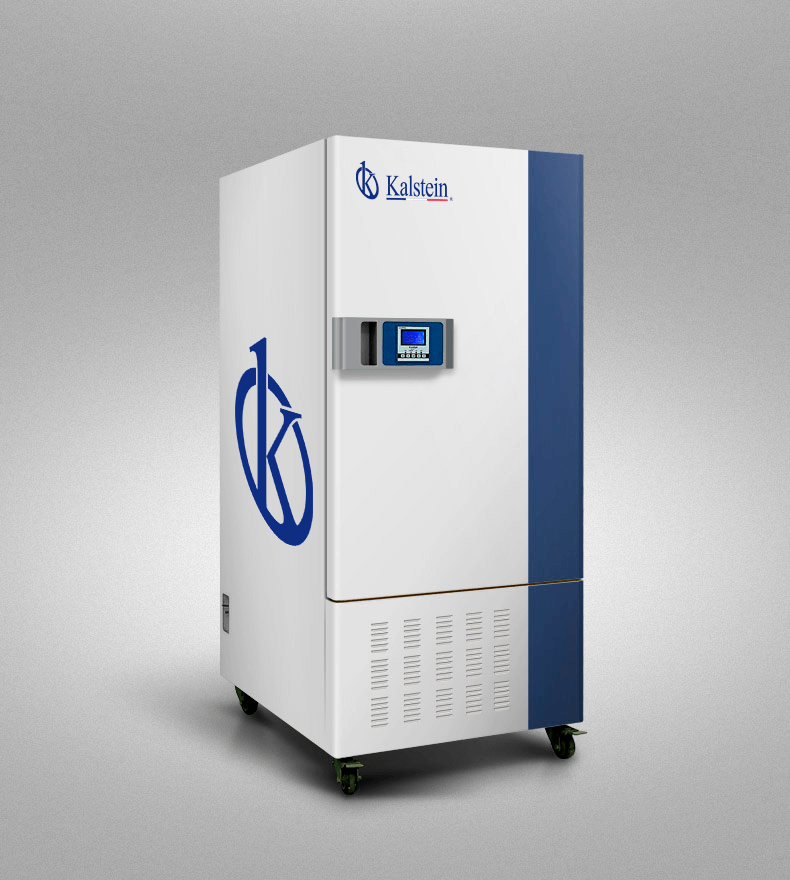
How Constant Temperature and Humidity Chambers Enhance University Research Projects
In academic research, maintaining precise environmental conditions is essential for achieving reliable and reproducible results. Constant temperature and humidity chambers provide controlled settings that mimic various climatic conditions crucial for experiments. These chambers are invaluable for university research projects across disciplines such as biology, materials science, and pharmaceuticals. This article discusses the applications, benefits, and best practices for utilizing constant temperature and humidity chambers in academic research.
Understanding the Role of Constant Temperature and Humidity Chambers in Academic Research
Constant temperature and humidity chambers serve as controlled environments where researchers can simulate specific climatic conditions for various studies. These chambers allow for the stimulation of diverse environmental factors such as temperature fluctuations and humidity levels, which are crucial in studies involving the growth of plants, microorganisms, and the testing of materials and products over time.
Research protocols often require precise control over environmental variables. For example, a biology experiment involving seed germination may necessitate specific temperature and humidity levels to ensure optimal growth conditions. In such scenarios, constant temperature and humidity chambers like the YR05334 and YR05335 are equipped with advanced technology to maintain these conditions consistently.
Applications of Constant Temperature and Humidity Chambers in University Projects
Constant temperature and humidity chambers are widely used in university research for various applications, including:
- Long-term Growth Studies: Researchers can conduct long-term studies on plant growth or microbial cultures, measuring how different conditions impact development.
- Material Testing: Materials are often tested for durability and stability under controlled humidity and temperature to assess their performance in real-world conditions.
- Shelf-life Studies: Evaluating the shelf-life of products under controlled conditions is vital for pharmaceutical and food science research.
Comparison of Available Models
| Model | Temperature Range (℃) | Humidity Range (%) | Best For | Price (USD) |
|---|---|---|---|---|
| YR05334 | 0~60 | 40~95 | Plant Cultivation | 1870.00 |
| YR05335 | 0~60 | 40~95 | Microbial Studies | 2220.00 |
| YR05336 | 0~60 | 40~95 | Material Testing | 3140.00 |
| YR05337 | 0~60 | 40~95 | Shelf-life Studies | 1900.00 |
| YR05338 | 0~60 | 40~95 | Long-term Experiments | 2250.00 |
| YR05339 | 0~60 | 40~95 | General Research | 3180.00 |
Common Mistakes and How to Avoid Them
When utilizing constant temperature and humidity chambers in research, common pitfalls can impact the accuracy and reliability of results. One frequent mistake is failing to calibrate the chamber regularly. Calibration is essential to ensure that temperature and humidity readings are accurate. Additionally, researchers should avoid overcrowding the chamber, which can disrupt airflow and lead to temperature gradients within the chamber.
Another common error is neglecting to document environmental conditions accurately. Keeping detailed logs of temperature and humidity levels during experiments is vital for reproducibility. Using models like the YR05337 can help with monitoring, as these units often include digital displays and logging features.
Best Practices for Using Constant Temperature and Humidity Chambers in Research
To maximize the effectiveness of constant temperature and humidity chambers in research, consider the following best practices:
- Regular Calibration: Ensure the chamber is calibrated according to manufacturer specifications to maintain accuracy.
- Monitor Conditions: Utilize built-in monitoring systems or external data loggers to track environmental conditions consistently.
- Optimize Placement: Position the chamber in a location with minimal temperature fluctuations and away from direct sunlight to prevent external interference.
Frequently Asked Questions
What are the temperature and humidity ranges of YR05334 and YR05335 chambers for research?
The YR05334 and YR05335 constant temperature and humidity chambers have a temperature range of 0 to 60 degrees Celsius and a humidity range of 40 to 95 percent. These specifications make them suitable for various academic research applications, including plant cultivation and microbial studies.
How can constant temperature and humidity chambers improve academic research quality?
Constant temperature and humidity chambers ensure environmental conditions are controlled and consistent, which enhances the reproducibility and reliability of research results. Using models like YR05336 can lead to more accurate experimental outcomes in fields like material testing and biological research.
Which constant temperature and humidity chamber is best for long-term growth studies in universities?
The YR05334 model is highly recommended for long-term growth studies due to its precise temperature and humidity control. It can simulate the necessary conditions for plant cultivation, ensuring accurate data collection over prolonged periods.
How often should I calibrate my constant temperature and humidity chamber for best results?
Calibration should be performed at least once a year, or more frequently if the chamber is used extensively. Regular calibration of models like YR05335 is crucial to maintain accuracy and reliability in research outcomes.
What are the key benefits of using constant temperature and humidity chambers in research?
Key benefits include the ability to simulate specific climatic conditions, enhance reproducibility, and improve the accuracy of experiments. Chambers like the YR05337 can effectively support research in various fields, including pharmaceuticals and agriculture.
How do I choose the right constant temperature chamber for my research project?
To choose the right chamber, consider the specific temperature and humidity ranges required for your experiments, as well as factors like budget and space. Models like YR05338 offer versatile options for various research requirements.
What precautions should I take when using constant temperature and humidity chambers?
Ensure proper calibration, avoid overcrowding, and monitor conditions closely to maintain optimal performance. Using models like YR05339 can help mitigate risks associated with environmental control in research settings.
Conclusion
In conclusion, constant temperature and humidity chambers are indispensable tools in academic research, providing controlled environments essential for obtaining reliable and reproducible results. With various models available, researchers can select the best fit for their specific projects, enhancing the overall quality of their work. If you are looking for a fusion of innovation and quality, you have come to the right place. At Kalstein, we offer you the luxury of exploring our exclusive catalog of laboratory equipment. We manufacture every device to the highest standards of excellence. Our intuitive and seamless online purchasing channels are designed for your convenience, securing the most competitive prices. Hesitate no longer — we bring science to life, it is time to become part of our community.