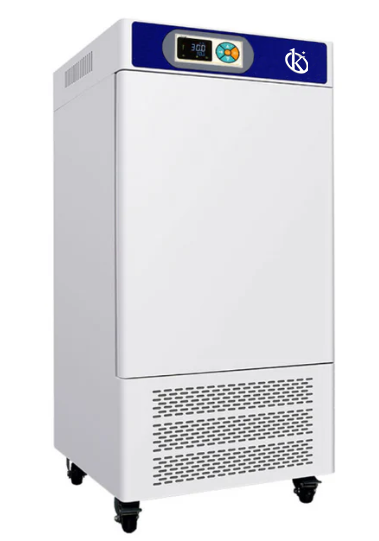
Constant Temperature and Humidity Incubators: Practical Applications and Techniques 2026
What is it used for in 2026
Constant temperature and humidity incubators are essential devices in laboratory settings, primarily used for maintaining stable environmental conditions for various applications. In 2026, their key uses include:
- Supporting biological research by creating an optimal environment for cell cultures.
- Conducting tests in pharmaceutical labs to ensure drug stability under controlled conditions.
- Facilitating agricultural research regarding plant growth and development.
- Allowing aquaculture studies to assess the effects of varying humidity and temperature on aquatic life.
- Assisting in environmental monitoring and water quality analysis.
History and evolution of the technology
The development of constant temperature and humidity incubators has been a gradual process, evolving from basic heating elements to advanced digital systems capable of precise environmental control. Initially, labs relied on simple water baths or ovens. Over the years, the integration of digital technology has allowed for better accuracy and user interfaces, leading to modern units equipped with programmable settings, alarms, and data logging capabilities.
How to use it step by step
Using a constant temperature and humidity incubator involves several systematic steps:
- Preparation: Ensure the incubator is clean and free from contaminants.
- Setup: Connect the incubator to a power source and ensure all connections are secure.
- Calibration: Calibrate the incubator according to the manufacturer's instructions to ensure accuracy.
- Setting parameters: Input the desired temperature and humidity settings based on your specific experimental needs.
- Loading samples: Place samples inside, ensuring they are evenly spaced for proper airflow.
- Monitoring: Regularly check the incubator’s readouts to ensure conditions remain stable.
- Documentation: Keep detailed records of the conditions and any observations during the experiment.
Best techniques and protocols
To maximize efficiency and reliability when using constant temperature and humidity incubators, consider implementing the following techniques and protocols:
- Regularly calibrate and validate the incubator's settings to maintain accuracy.
- Maintain a clean environment by disinfecting interior surfaces before and after use.
- Utilize data logging features for long-term experiments to track environmental conditions over time.
- Conduct periodic performance checks to ensure the equipment operates within specified parameters.
- Follow established protocols for sample handling to prevent contamination.
Practical applications by laboratory type
Constant temperature and humidity incubators find applications across various laboratory types:
Biological Laboratories
In biological labs, these incubators are crucial for cell culture and microbiological studies, allowing researchers to maintain optimal growth conditions.
Pharmaceutical Laboratories
Pharmaceutical labs utilize incubators for drug stability testing, ensuring products remain effective under controlled conditions.
Agricultural Research Facilities
Agricultural researchers use incubators to study plant growth responses to different humidity and temperature settings.
Aquaculture Research
Aquaculture studies benefit from incubators that simulate various environmental conditions for aquatic species.
Environmental Monitoring Labs
These labs employ incubators to analyze water samples under specific conditions, assessing the effects of temperature and humidity on water quality.
Regulations, standards and certifications
Compliance with regulations and standards is critical in laboratory environments. In 2026, the following certifications and standards are particularly relevant for constant temperature and humidity incubators:
- ISO 9001 for quality management systems.
- ISO 17025 for laboratory testing and calibration.
- Good Manufacturing Practice (GMP) regulations in pharmaceutical settings.
- Environmental standards relevant to biological and agricultural research.
Comparison with alternative technologies
When comparing constant temperature and humidity incubators with alternative technologies, such as standard incubators or temperature-controlled storage units, several factors should be considered, including:
- Precision: Constant temperature and humidity incubators offer superior control over environmental conditions.
- Versatility: These incubators are adaptable for various applications, unlike some standard models which may be limited.
- Energy Consumption: While advanced models can be more energy-efficient, traditional units may consume more power without precise controls.
Comparison of available models
| Model | Best for | Key specs | Recommended use case |
|---|---|---|---|
| YR02053 | Environmental monitoring, basic biological research | Temperature range: 0 ~ 60℃, Power: 0.4 kW | Maintaining cell cultures and environmental samples |
| YR02054 | Pharmaceutical testing and drug stability | Temperature range: 0 ~ 60℃, Power: 0.6 kW | Stability studies on drugs under controlled humidity |
| YR02055 | Aquaculture and advanced biological research | Temperature range: 0 ~ 60℃, Power: 0.8 kW | Long-term studies on aquatic species and lab-scale experiments |
Common mistakes and how to avoid them
To enhance the efficacy of your incubator usage, be aware of common mistakes:
- Improper calibration: Always calibrate before use to ensure accuracy in readings.
- Overloading the incubator: Ensure proper spacing for airflow by not overloading with samples.
- Ignoring maintenance: Regularly clean and service the incubator to prevent malfunctions.
- Failing to record data: Keep detailed logs of conditions and any changes throughout experiments.
Maintenance, calibration and good practices 2026
To ensure longevity and reliability, adhere to these maintenance and calibration practices:
- Conduct routine cleaning using appropriate disinfectants.
- Follow the manufacturer’s guidelines for calibration intervals.
- Inspect seals and gaskets regularly for wear and tear.
- Keep a maintenance log to track performance and repairs.
Cost-benefit analysis 2026
Investing in a constant temperature and humidity incubator can be justified through a cost-benefit analysis:
- Initial costs: Higher upfront costs compared to standard incubators.
- Operational efficiency: Enhanced productivity through better-controlled experiments.
- Reduced waste: Improved results lead to less repeat testing and material waste.
- Long-term savings: Quality control and compliance can lead to cost savings in regulatory fines.
Frequently asked questions
What factors should I consider when choosing a constant temperature and humidity incubator?
When selecting an incubator, consider the temperature range, humidity control accuracy, size, and the specific applications you intend to use it for.
How often should I calibrate my incubator?
It is advisable to calibrate your incubator at least once every six months or whenever you notice discrepancies in temperature and humidity readings.
Can I use a constant temperature and humidity incubator for all types of samples?
While these incubators are versatile, always check compatibility with specific samples, especially sensitive biological materials.
What maintenance steps are critical for ensuring the performance of my incubator?
Regular cleaning, calibration, and performance checks are essential maintenance tasks to keep your incubator functioning optimally.
How can I improve the efficiency of my experiments using an incubator?
Implementing good practices such as accurate calibration, proper sample placement, and maintaining a clean environment can significantly enhance experimental efficiency.
What are the main advantages of using a constant temperature and humidity incubator over traditional incubators?
Constant temperature and humidity incubators provide superior environmental control, versatility for various applications, and improved energy efficiency compared to traditional models.
If you are looking for a fusion of innovation and quality, you have come to the right place. At Kalstein, we offer you the luxury of exploring our exclusive catalog of laboratory equipment. We manufacture every device to the highest standards of excellence. Our intuitive and seamless online purchasing channels are designed for your convenience, securing the most competitive prices. Hesitate no longer — we bring science to life, it is time to become part of our community.