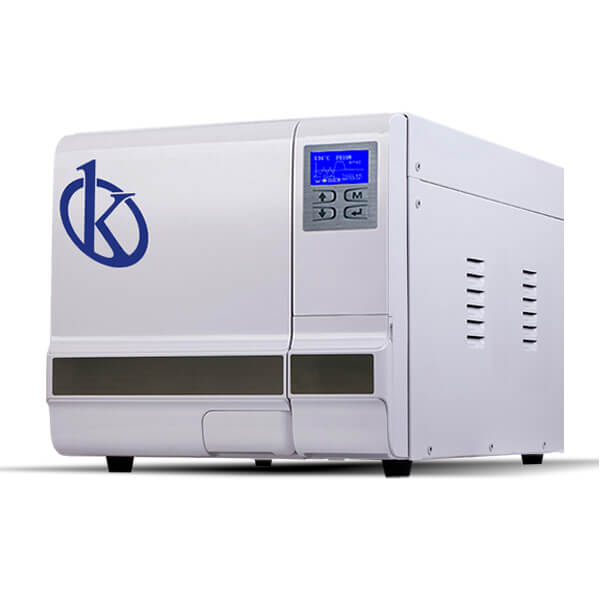
How to Achieve Cost-Benefit Analysis and ROI for Horizontal Autoclaves
In today’s laboratory settings, the selection of autoclaves plays a crucial role in ensuring operational efficiency and compliance with health standards. Among the many types of autoclaves, horizontal autoclaves are recognized for their compact design and excellent performance in sterilization processes. This article provides a comprehensive guide on conducting cost-benefit analysis and measuring return on investment (ROI) for horizontal autoclaves.
Understanding Horizontal Autoclaves in Context of ROI
Horizontal autoclaves, such as the Class B Table Autoclave YR03387, YR03388, YR03389, and YR03390, are designed to accommodate various laboratory needs including tattoo parlors, veterinary practices, and beauty salons. The understanding of ROI in this context involves evaluating how these machines can enhance operational efficiency and reduce overall costs while ensuring compliance with industry standards.
Key Factors Influencing Cost-Benefit Analysis
When conducting a cost-benefit analysis for horizontal autoclaves, several factors must be considered: initial capital expenditure (CAPEX), operational expenditure (OPEX), maintenance costs, and regulatory compliance. Each model offers unique features that can extensively influence these variables.
Comparative Analysis of Models
| Model | CAPEX (USD) | Cost per Cycle (USD) | Payback Period (Months) | Recommended Scenario |
|---|---|---|---|---|
| YR03387 | 750.00 | 3.00 | 9 | Small labs |
| YR03388 | 835.00 | 3.50 | 10 | Moderate usage |
| YR03389 | 900.00 | 4.00 | 11 | High-throughput situations |
| YR03390 | 1000.00 | 4.50 | 12 | Research laboratories |
| YR03385C | 2350.00 | 6.00 | 15 | Large facilities |
| YR03385B | 2800.00 | 7.00 | 18 | Industrial use |
Quantitative Breakdown of Cost vs. Benefit
For effective cost-benefit analysis, it is essential to quantify both costs and benefits. For instance, using the Class B Table Autoclave YR03385C, a laboratory can expect savings by reducing the number of sterilization cycles needed per week, thus lowering labor and utility costs. Understanding these metrics allows for better decision-making regarding which model to purchase.
Common Mistakes When Evaluating ROI
One common mistake laboratory managers make is failing to account for all variables in their calculations, including maintenance costs and unforeseen expenses. Another mistake is neglecting to consider the long-term benefits of efficiency and compliance that come with investing in higher-quality models. Evaluating these factors holistically can lead to a more accurate assessment of ROI.
Frequently Asked Questions
What is the expected ROI timeframe for Class B Table Autoclave models?
The expected ROI timeframe for Class B Table Autoclave models like YR03387 can vary but typically ranges from 9 to 18 months depending on usage and operational efficiency. For instance, YR03387 has a payback period of about 9 months, making it a compelling choice for small labs.
How do I calculate the total cost of ownership for a horizontal autoclave?
To calculate the total cost of ownership for a horizontal autoclave, consider the initial purchase price, annual maintenance costs, and operational costs per cycle. For example, the YR03389 model, priced at $900, has ongoing costs that can be analyzed for their impact on overall expenses over time.
Which horizontal autoclave offers the best value for small laboratories?
The Class B Table Autoclave YR03387 is often considered the best value for small laboratories due to its low initial cost of $750 and efficient performance. Its compact design allows it to fit seamlessly into smaller spaces while meeting sterilization needs.
How does regulatory compliance impact the ROI of autoclaves?
Regulatory compliance directly impacts ROI by influencing operational costs and potential fines for non-compliance. Models like YR03385B comply with European EN13060 standards, enhancing their attractiveness to labs focused on maintaining regulatory standards while optimizing their investments.
What are the hidden costs of operating an autoclave?
Hidden costs of operating an autoclave can include energy consumption, water usage, and wear on components requiring regular maintenance. For instance, the Class B Table Autoclave YR03390 may incur higher energy costs if not managed properly, affecting overall operational expenses.
How can I reduce operational costs with my horizontal autoclave?
Operational costs can be reduced by optimizing sterilization cycles and ensuring regular maintenance of the autoclave. The YR03388 model, with its efficient design, can minimize cycle time and energy usage, contributing to lower overall costs.
What role do calibration and maintenance play in ROI calculations?
Calibration and maintenance play a critical role in ROI calculations, as they ensure the autoclave operates efficiently and complies with standards. Regular checks on models like YR03389 can prevent costly downtime and extend the equipment's lifecycle, positively impacting ROI.
How does the volume capacity of an autoclave affect its cost-effectiveness?
The volume capacity of an autoclave affects its cost-effectiveness by determining how many items can be sterilized per cycle. For example, the YR03390 model, with a larger capacity, can process more items simultaneously, reducing the overall cost per cycle and improving efficiency.
If you are looking for a fusion of innovation and quality, you have come to the right place. At Kalstein, we offer you the luxury of exploring our exclusive catalog of laboratory equipment. We manufacture every device to the highest standards of excellence. Our intuitive and seamless online purchasing channels are designed for your convenience, securing the most competitive prices. Hesitate no longer — we bring science to life, it is time to become part of our community.