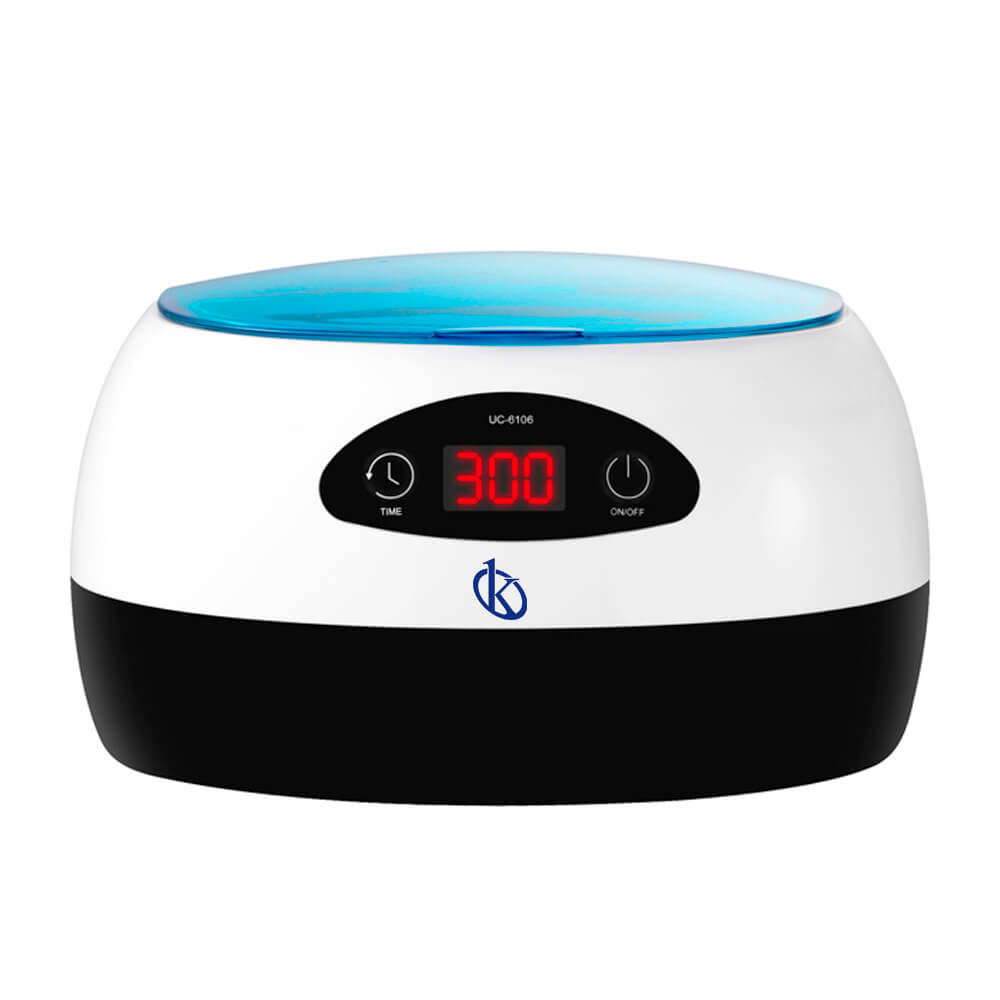
Digital Desktop Ultrasonic Cleaners: Applications in Research, Biotechnology and Academia 2026
What is it used for in 2026
In 2026, Digital Desktop Ultrasonic Cleaners have become indispensable tools across various fields including research, biotechnology, and academic laboratories. These devices utilize ultrasonic waves to create high-frequency sound waves that generate microscopic bubbles in a cleaning solution. The implosion of these bubbles produces powerful cleaning action, effectively removing dirt, contaminants, and biological residues from instruments, glassware, and delicate items.
Applications span from cleaning laboratory glassware, such as pipettes and beakers, to sterilizing dental and surgical instruments. Additionally, these cleaners are beneficial for restoring jewelry and precision parts, making them valuable tools in both research and commercial settings.
History and evolution of the technology
The technology behind ultrasonic cleaning dates back to the 1950s, initially developed for industrial applications. Over the decades, the technology has evolved significantly, transitioning from large industrial units to compact digital desktop models suitable for laboratory use. Advancements in ultrasonic frequencies and cleaning solutions have enhanced cleaning effectiveness, allowing for the cleaning of increasingly delicate items without risk of damage.
How to use it step by step
- Prepare the Cleaner: Fill the ultrasonic cleaner with an appropriate cleaning solution, ensuring it reaches the required fill line.
- Select the Items: Place the items to be cleaned in the cleaner basket or tray, ensuring they do not touch the bottom of the tank.
- Set the Time and Temperature: Adjust the settings for the duration and temperature of the cleaning cycle as per the manufacturer's recommendations.
- Start the Cleaning Process: Turn on the ultrasonic cleaner and allow it to run through the cleaning cycle.
- Rinse and Dry: Once the cycle is complete, remove the items, rinse them with distilled water, and dry appropriately.
Best techniques and protocols
To maximize the effectiveness of ultrasonic cleaning, consider the following techniques:
- Use the Right Cleaning Solution: Always choose a cleaning solution formulated for ultrasonic cleaners to enhance the cleaning action.
- Adjust Frequency: Select the ultrasonic frequency depending on the material being cleaned; lower frequencies are suitable for larger debris while higher frequencies are better for intricate items.
- Implement Regular Maintenance: Ensure the cleaner is regularly serviced and the solution changed to maintain optimal performance.
Practical applications by laboratory type
Different laboratory types can leverage ultrasonic cleaners in unique ways:
- Research Laboratories: Use ultrasonic cleaners for cleaning sensitive equipment and samples without manual scrubbing.
- Biotechnology Laboratories: Essential for sterilizing instruments and maintaining the cleanliness of workspaces to prevent contamination.
- Academic Laboratories: Facilitate the cleaning of educational tools and glassware used by students, promoting safety and efficiency.
Regulations, standards and certifications
Laboratories utilizing ultrasonic cleaners must adhere to relevant regulations and standards, including:
- ISO 9001 for quality management systems
- ISO 13485 for medical device quality management
- Good Manufacturing Practices (GMP) in biotechnology applications
Comparison with alternative technologies
Ultrasonic cleaning offers several advantages over alternative cleaning technologies:
- Manual Cleaning: Labor-intensive and often less effective in reaching intricate designs.
- Steam Cleaning: While effective for some applications, it may not penetrate crevices as effectively as ultrasonic cleaning.
- Pressure Washing: Can damage delicate items, unlike the gentle nature of ultrasonic cleaning.
Comparison of available models
| Model | Best for | Key specs | Recommended use case |
|---|---|---|---|
| YR05231 | Jewelry Cleaning | 750 ml tank, 50W, 42KHz | Ideal for personal jewelry and small items. |
| YR05232 | Efficient Jewelry Cleaning | 1400 ml tank, 60W, 40KHz | Perfect for larger jewelry items and effective cleaning. |
| YR05229 | Lens and Delicate Items | 0.6L tank, 50W, 42KHz | Best for cleaning optical instruments and delicate parts. |
| YR05230 | Dental and Jewelry Cleaning | 2.5L tank, 60W, 42KHz | Designed for dental instruments and jewelry cleaning. |
Common mistakes and how to avoid them
To ensure effective cleaning and avoid damage, be aware of these common mistakes:
- Overloading the Cleaner: Avoid placing too many items in the tank, which can hinder the cleaning action.
- Using Incorrect Solutions: Ensure that the cleaning solution is suitable for ultrasonic use.
- Neglecting Maintenance: Regularly check and clean the tank to maintain performance.
Maintenance, calibration and good practices 2026
Maintaining your ultrasonic cleaner is crucial for its longevity:
- Clean the tank regularly to prevent residue build-up.
- Calibrate settings according to the manufacturer’s guidelines.
- Store in a clean, dry environment when not in use.
Cost-benefit analysis 2026
Investing in a Digital Desktop Ultrasonic Cleaner provides numerous benefits:
- Time-Saving: Reduces manual cleaning time significantly.
- Efficiency: Provides superior cleaning results compared to traditional methods.
- Durability: Long-lasting equipment with proper maintenance, offering good return on investment.
Frequently asked questions
What type of cleaning solution should I use with my ultrasonic cleaner?
Always use cleaning solutions that are specifically formulated for ultrasonic cleaners to ensure optimal cleaning results without damaging items.
Can I clean delicate items with an ultrasonic cleaner?
Yes, ultrasonic cleaners can safely clean delicate items, but it is essential to choose the appropriate frequency and cleaning solution to avoid damage.
How often should I change the cleaning solution in the ultrasonic cleaner?
The cleaning solution should be changed regularly, typically after every few uses or when it appears dirty, to maintain cleaning effectiveness.
Is ultrasonic cleaning effective for removing biological contaminants?
Yes, ultrasonic cleaning is highly effective at removing biological contaminants, making it suitable for laboratory and medical instruments.
What are the most common applications for ultrasonic cleaners in laboratories?
Common applications include cleaning laboratory glassware, surgical instruments, and jewelry, as well as restoring delicate parts and devices.
How do I ensure my ultrasonic cleaner is properly maintained?
Regularly clean the tank, check the settings, and store the cleaner in a dry environment to maintain performance and longevity.
Can I use my ultrasonic cleaner for cleaning jewelry at home?
Yes, ultrasonic cleaners are popular for home jewelry cleaning, providing a thorough and safe cleaning method for various pieces.
If you are looking for a fusion of innovation and quality, you have come to the right place. At Kalstein, we offer you the luxury of exploring our exclusive catalog of laboratory equipment. We manufacture every device to the highest standards of excellence. Our intuitive and seamless online purchasing channels are designed for your convenience, securing the most competitive prices. Hesitate no longer — we bring science to life, it is time to become part of our community.