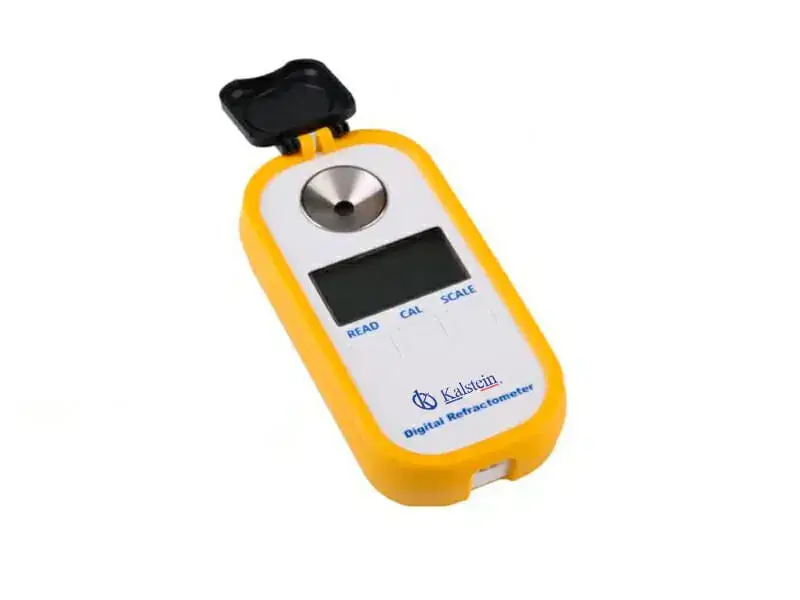
How to Choose a Digital Salinity Refractometer for Energy Sustainability
As the demand for energy sustainability increases, laboratories are under pressure to minimize their environmental footprints. One crucial area where laboratories can make an impact is the selection of instruments, like digital salinity refractometers. These devices not only measure salinity but also contribute to energy conservation and waste reduction. This article will guide laboratory professionals in choosing the right digital salinity refractometer that aligns with energy sustainability goals.
Understanding the Importance of Energy Sustainability in Laboratories
The laboratory sector significantly contributes to energy consumption and environmental waste. Focusing on energy sustainability involves assessing equipment efficiency, reducing waste, and implementing best practices that minimize environmental impact. Digital salinity refractometers, by offering accurate measurements with reduced resource consumption, are critical in this initiative. This section will explore how such instruments drive energy sustainability in laboratory settings.
Key Features to Look for in Digital Salinity Refractometers
When considering a digital salinity refractometer, several features contribute to both functionality and energy sustainability. Key attributes include:
- Automatic Temperature Compensation (ATC): Ensures accurate readings without the need for manual adjustments, thus saving time and energy.
- Energy-efficient Design: Look for models that consume less power during operation.
- Compact Size: Smaller devices are easier to deploy and use efficiently in limited lab spaces.
Exploring Energy Consumption and Waste Reduction
Digital salinity refractometers can significantly reduce energy usage and waste through features like ATC and minimal sample requirements. The following table highlights the energy consumption and sample usage of various models:
| Model Code | Energy Consumption (kWh/year) | Sample Size Required (ml) | Notes |
|---|---|---|---|
| YR05953 | 50 | 1 | Highly efficient with ATC. |
| YR05954 | 55 | 1 | Good for high salinity samples. |
| YR05955 | 52 | 1 | Offers precision in density measurements. |
| YR05956 | 50 | 1 | Best for refractive index. |
| YR05957 | 54 | 1 | Ideal for seawater analysis. |
| YR05958 | 53 | 1 | Simple and effective for low salinity. |
Comparison of Available Models
| Model | Measurement Range | Min. Division | Accuracy | Best for |
|---|---|---|---|---|
| YR05953 | 0.0–28.0% | 0.10% | ±0.1% | General salinity analysis. |
| YR05954 | 0–280‰ | 1‰ | ±1‰ | High concentration solutions. |
| YR05955 | 1.000–1.217 | 0.001 | ±0.002 | Density measurement. |
| YR05956 | 1.3330–1.3900nD | 0.0001nD | ±0.0003nD | Precise refractive index. |
| YR05957 | 0—100‰ | 1‰ | ±2‰ | Seawater salinity. |
| YR05958 | 0–57‰ | 1‰ | ±2‰ | Low salinity measurements. |
Common Mistakes and How to Avoid Them
When selecting a digital salinity refractometer, common pitfalls include inadequate evaluation of energy consumption, overlooking ATC functionality, and not considering sample volume needs. To avoid these mistakes, conduct thorough research on the models' specifications and align them with your laboratory's sustainability goals.
Best Practices for Energy Efficiency with Digital Salinity Refractometers
Implementing best practices can enhance the energy efficiency of your laboratory's digital salinity refractometers:
- Regularly calibrate instruments to ensure accurate readings, thus avoiding wasted samples.
- Turn off devices when not in use to minimize energy consumption.
- Train staff on proper usage to avoid common errors that lead to re-testing.
Frequently Asked Questions
How can a digital salinity refractometer reduce my laboratory's energy consumption?
A digital salinity refractometer like the YR05953 minimizes energy consumption through features such as Automatic Temperature Compensation (ATC), which reduces the need for energy-intensive manual adjustments. This efficiency supports sustainable practices by conserving energy and reducing waste in measurement processes.
What is the best model for measuring seawater salinity sustainably?
The YR05957 is optimal for measuring seawater salinity, offering a measurement range of 0—100‰ with an accuracy of ±2‰. Its design supports energy sustainability by requiring minimal sample size and providing reliable results quickly, making it ideal for marine studies.
Which specifications should I prioritize for energy-efficient refractometers?
Prioritize models with low energy consumption, such as the YR05954, which efficiently measures salinity with minimal sample input. Features like Automatic Temperature Compensation (ATC) and compact design also contribute significantly to energy efficiency in laboratory operations.
How does the YR05956 compare in terms of energy efficiency?
The YR05956 offers impressive energy efficiency with precise refractive index measurements, requiring just a small sample size. Its compact design and low energy consumption make it a sustainable choice for laboratories focused on reducing their environmental impact.
What are the energy savings from using an efficient digital salinity refractometer?
Using an efficient digital salinity refractometer, such as the YR05954, can save up to 5% in energy costs annually compared to traditional models. This is mainly due to reduced power consumption and faster measurement times, leading to less operational downtime.
How can I ensure proper calibration for energy-efficient operations?
Regular calibration of your digital salinity refractometer, like the YR05955, is essential for maintaining accuracy and energy efficiency. Follow a calibration schedule that aligns with recommended intervals to prevent inaccuracies that can lead to wasted samples and re-testing.
What additional features enhance the sustainability of digital salinity refractometers?
Additional features that enhance sustainability include Automatic Temperature Compensation (ATC), as seen in the YR05958, which reduces manual intervention and improves accuracy. Moreover, energy-efficient designs can significantly lower overall laboratory energy consumption.
How do I evaluate if a digital salinity refractometer is right for my lab?
Evaluate your needs by assessing key specifications such as measurement range, ATC, and energy consumption. Models like the YR05957, designed for specific applications like seawater measurement, can provide tailored solutions that enhance both performance and sustainability.
If you are looking for a fusion of innovation and quality, you have come to the right place. At Kalstein, we offer you the luxury of exploring our exclusive catalog of laboratory equipment. We manufacture every device to the highest standards of excellence. Our intuitive and seamless online purchasing channels are designed for your convenience, securing the most competitive prices. Hesitate no longer — we bring science to life, it is time to become part of our community.