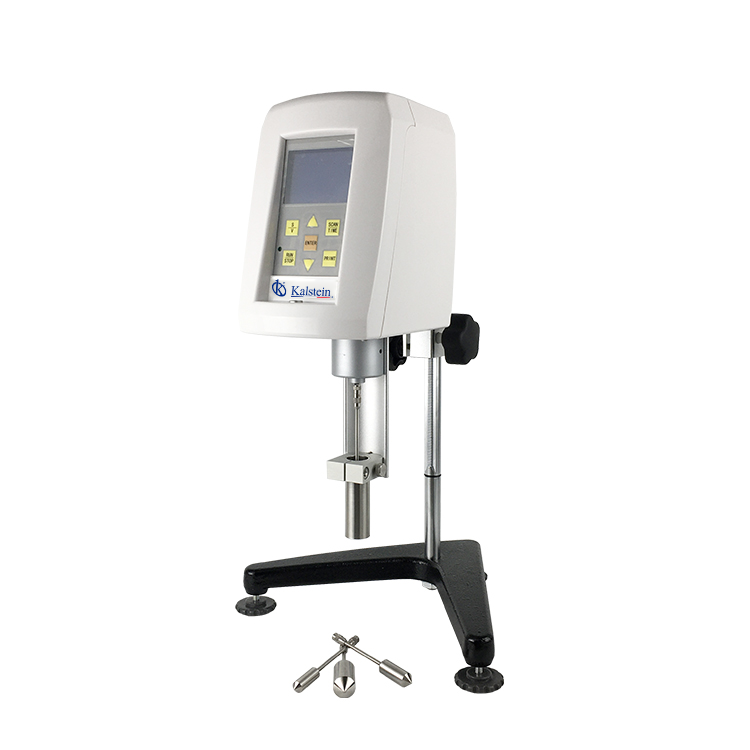
Digital Viscometer YR05840: Interpreting Results and Measurement Reading 2026
The Digital Viscometer YR05840 stands out in laboratory settings for its precision and ability to handle small sample sizes. This article will delve deeply into interpreting results and understanding measurement readings specific to the YR05840 model. The focus will be on practical applications, common interpretations, and guidance for operators to ensure accurate readings.
Understanding the Basics of the YR05840 Viscometer
The YR05840 uses a coaxial structure, allowing for accurate viscosity measurements across a broad range of materials. The instrument requires minimal sample volumes, which is advantageous for precious or rare materials. It operates under controlled temperature conditions, which is critical in ensuring reliable results.
Technical Specifications of YR05840
| Model | YR05840 |
|---|---|
| Measurement Range (mPa.s) | 6.4 - 2M (No.0: 6.4-1K, No.21: 50-100K, No.27: 250-500K, No.28: 500-1M, No.29: 1K-2M) |
| Speed (r/min) | 0.5/1/2/2.5/4/5/10/15/20/25/30/40/50/60/70/80/90/100 (Total 18 speeds) |
| Test Error | ±2% (Newtonian liquid) |
| Repetitive Error | ±1% (Newtonian liquid) |
| Temperature Control Range | Room temperature plus 10°C - 250°C (optional 300°C) |
| Temperature Control Precision | 0.1℃ |
| Interface | Two RS232 interfaces |
Interpreting Viscosity Measurements
Viscosity measurement is crucial in various industries, from pharmaceuticals to food production. Understanding how to read the results from the YR05840 can significantly impact the quality control process. Here are critical points to consider:
- Units of Measurement: The primary unit used in viscosity measurement is milliPascal-seconds (mPa.s). Ensure that you are familiar with this unit to accurately understand your readings.
- Normal Ranges: Different materials have specific normal viscosity ranges. Familiarize yourself with the expected viscosities for the substances you are testing.
- Error Bars: Each reading may come with an associated error margin, typically noted as a percentage. This should be factored into your analysis.
Common Misinterpretations in Viscosity Readings
Operators may sometimes misinterpret viscosity readings, leading to incorrect conclusions. Here are some common misinterpretations to avoid:
- Temperature Effects: Viscosity can change with temperature. Ensure that the temperature is controlled and consistent during measurements.
- Sample Preparation: Improperly prepared samples can yield faulty readings. Always ensure your samples are homogeneous.
- Non-Newtonian Fluids: Many materials behave non-Newtonian, meaning their viscosity changes with shear rate. Ensure you are using the correct rotor and speed settings for these types of fluids.
Best Practices for Measurement with YR05840
To ensure accurate and reliable results with the YR05840, follow these best practices:
- Calibration: Regularly calibrate your viscometer to ensure its accuracy. This should be done according to the manufacturer’s guidelines.
- Sample Volume: Use the recommended sample volume (15-20 ml) for each measurement to avoid errors related to insufficient sample size.
- Consistent Measurement Conditions: Maintain consistent environmental conditions for every measurement to minimize variability.
Sector Applications of the YR05840
The YR05840 is versatile and can be employed across various sectors:
- Clinical: Used for testing the viscosity of blood and other bodily fluids.
- Industrial: Common in assessing materials like adhesives, coatings, and lubricants.
- Food: Essential for ensuring proper texture and consistency of products like sauces and gels.
- Educational: Utilized in labs to teach students about fluid dynamics and viscosity.
Frequently Asked Questions
How does temperature affect viscosity measurements in YR05840?
Temperature can significantly impact viscosity measurements. As temperature increases, the viscosity of a liquid typically decreases. It is crucial to maintain a controlled temperature during measurements to ensure accurate results.
What is the significance of sample size in the YR05840?
The YR05840 requires a small sample size (15-20 ml), which is advantageous for precious materials. However, using smaller samples than recommended can lead to inaccuracies in the measurement due to insufficient fluid to generate reliable data.
Can the YR05840 measure non-Newtonian fluids?
Yes, the YR05840 can measure non-Newtonian fluids. However, it is essential to select the appropriate rotor and speed settings to obtain accurate results, as the viscosity of these fluids can vary with shear rate.
What are the common errors when using the YR05840?
Common errors include inconsistent sample preparation, failure to maintain control over measurement conditions (like temperature), and inadequate calibration of the instrument. Regular maintenance and methodical preparation can minimize these errors.
What maintenance does the YR05840 require?
Regular calibration, cleaning of the rotor and sample chamber, and checking the RS232 connections are essential for optimal performance. Following the manufacturer’s guidelines for maintenance will enhance the longevity of the device.
How can I ensure accurate results with the YR05840?
To ensure accurate results, calibrate regularly, maintain consistent temperature and environmental conditions, and prepare samples correctly. Additionally, use the correct rotor for the type of fluid being measured.
Where can I request a quote for the YR05840?
You can request a quote for the Digital Viscometer YR05840 through our platform, where we provide competitive pricing and detailed information about the product.
If you are looking for a fusion of innovation and quality, you have come to the right place. At Kalstein, we offer you the luxury of exploring our exclusive catalog of laboratory equipment. We manufacture every device to the highest standards of excellence. Our intuitive and seamless online purchasing channels are designed for your convenience, securing the most competitive prices. Hesitate no longer — we bring science to life, it is time to become part of our community.