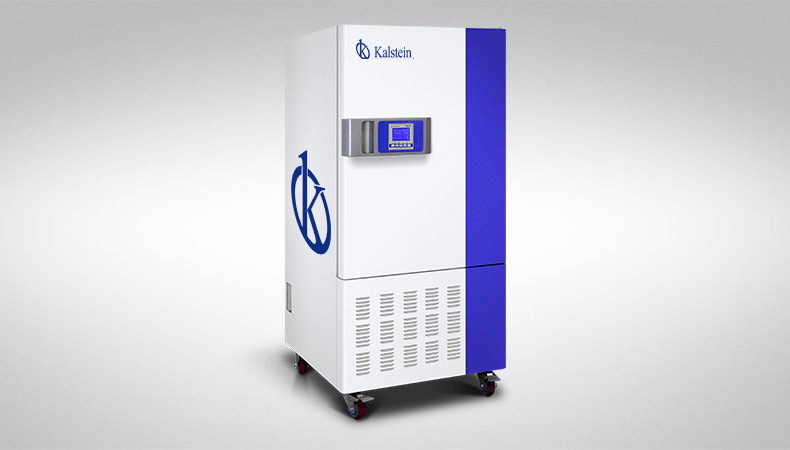
Drug Stability Test Chambers: Applications in Research, Biotechnology, and Academia 2026
What is it used for in 2026
Drug stability test chambers are essential tools in the pharmaceutical, biotechnology, and food industries. In 2026, these chambers are utilized to assess the stability of drugs under various environmental conditions, simulating real-life scenarios that products may face throughout their shelf life. They provide critical data on how factors like temperature, humidity, and light can affect the potency and safety of pharmaceuticals.
History and evolution of the technology
The technology behind drug stability test chambers has evolved significantly over the years. Initially, simple environmental chambers were used, which lacked the precision and control needed for reliable experiments. Developments in materials science and electronic-controls have pushed the boundaries, leading to advanced devices that feature microprocessor control systems. This evolution has allowed researchers to mimic environmental conditions more accurately, leading to better reliability in stability testing.
How to use it step by step
Using a drug stability test chamber involves several critical steps:
- Preparation: Ensure the chamber is clean and calibrated. Set the required temperature and humidity conditions based on the product specifications.
- Loading Samples: Place the pharmaceutical samples in the chamber while ensuring they are adequately spaced for air circulation.
- Monitoring: Use the chamber's built-in monitoring systems to track environmental conditions continuously.
- Data Collection: After the set test duration, collect samples and conduct necessary analyses to assess stability.
- Documentation: Record all findings meticulously to comply with regulatory requirements.
Best techniques and protocols
Implementing best practices when using drug stability test chambers is crucial. Recommended protocols include:
- Regular calibration of the chamber to ensure accurate readings.
- Utilizing a consistent loading pattern to minimize variability.
- Conducting blind tests to avoid bias during evaluation.
- Ensuring environmental conditions are stable before beginning tests.
Practical applications by laboratory type
Drug stability test chambers find applications across various laboratory types:
- Research laboratories: Used for preliminary studies on new formulations.
- Quality control laboratories: Essential for routine stability testing of established products.
- Biotechnology firms: Critical for developing biologics and ensuring their long-term efficacy.
- Academic institutions: Used in teaching and research to study stability phenomena.
Regulations, standards and certifications
Compliance with regulations is vital in the use of drug stability test chambers. In 2026, laboratories must adhere to standards set by organizations such as the FDA and ICH. These guidelines dictate how stability studies should be conducted, including parameters for temperature, humidity, and duration, as well as data reporting formats.
Comparison with alternative technologies
While drug stability test chambers are essential, alternative technologies also exist. These include:
- Accelerated stability testing: This method uses higher temperatures and humidity to expedite the aging process of products but may not accurately reflect long-term stability.
- Real-time stability studies: Unlike test chambers, they involve monitoring products in actual storage conditions but require extended timeframes for data collection.
Comparison of available models
| Model | Best for | Key specs | Recommended use case |
|---|---|---|---|
| YR05350 | Pharmaceutical stability testing | Temperature range: 0~60°C, Accuracy: 0.1°C | Basic stability testing under controlled conditions |
| YR05351 | Biotechnology applications | Temperature fluctuation: ±0.5°C, Humidity range: 50~90% HR | Testing biologics with strict humidity requirements |
| YR05352 | Comprehensive stability testing | Temperature uniformity: ±1°C, Humidity fluctuation: ±3% HR | Long-term stability studies for sensitive formulations |
Common mistakes and how to avoid them
Several common mistakes can hinder the effectiveness of drug stability tests:
- Improper calibration: Always ensure that the chamber is calibrated according to specifications.
- Inconsistent sample handling: Standardize sample handling procedures to minimize variability.
- Neglecting documentation: Keep thorough records to maintain compliance and facilitate data analysis.
Maintenance, calibration and good practices 2026
Effective maintenance and calibration of drug stability test chambers are essential for reliable results. Recommendations include:
- Performing quarterly calibrations and validations.
- Cleaning the interior regularly to prevent contamination.
- Conducting routine checks of temperature and humidity sensors.
Cost-benefit analysis 2026
Investing in drug stability test chambers can entail significant costs; however, the benefits often outweigh these expenses. Key benefits include:
- Enhanced product safety and efficacy.
- Compliance with regulatory standards, reducing the risk of costly recalls.
- Improved research capabilities leading to better product development.
Frequently asked questions
How do I choose the right drug stability test chamber?
When selecting a drug stability test chamber, consider your specific testing needs, including the required temperature and humidity ranges, as well as the volume of samples you plan to test. Ensure that the chamber has appropriate certifications and meets industry standards.
What are the key factors to monitor during stability testing?
Key factors include temperature, humidity, and exposure to light. These elements can significantly influence the stability of pharmaceuticals, and precise monitoring is crucial to obtain valid results.
How often should I calibrate my drug stability test chamber?
Calibration should be performed at least quarterly, or more frequently if the equipment is heavily used, to ensure accurate readings and compliance with regulatory standards.
What are some best practices while using a drug stability test chamber?
Best practices include ensuring proper loading of samples, maintaining a consistent environment, and meticulously documenting all procedures and results to comply with regulatory requirements.
How to ensure compliance with regulations during testing?
Compliance can be ensured by following guidelines set by the FDA and ICH, maintaining accurate records, and conducting tests under specified conditions and protocols.
Can I conduct accelerated stability testing in a drug stability test chamber?
Yes, you can conduct accelerated stability testing in these chambers by adjusting the temperature and humidity settings to reflect conditions that speed up degradation.
Where can I find more information about drug stability test chambers?
For more detailed information and specifications, please consider reaching out directly to manufacturers or consult industry-standard resources and guidelines.
If you are looking for a fusion of innovation and quality, you have come to the right place. At Kalstein, we offer you the luxury of exploring our exclusive catalog of laboratory equipment. We manufacture every device to the highest standards of excellence. Our intuitive and seamless online purchasing channels are designed for your convenience, securing the most competitive prices. Hesitate no longer — we bring science to life, it is time to become part of our community.