Electric Wheelchairs: Practical Applications and Techniques 2026
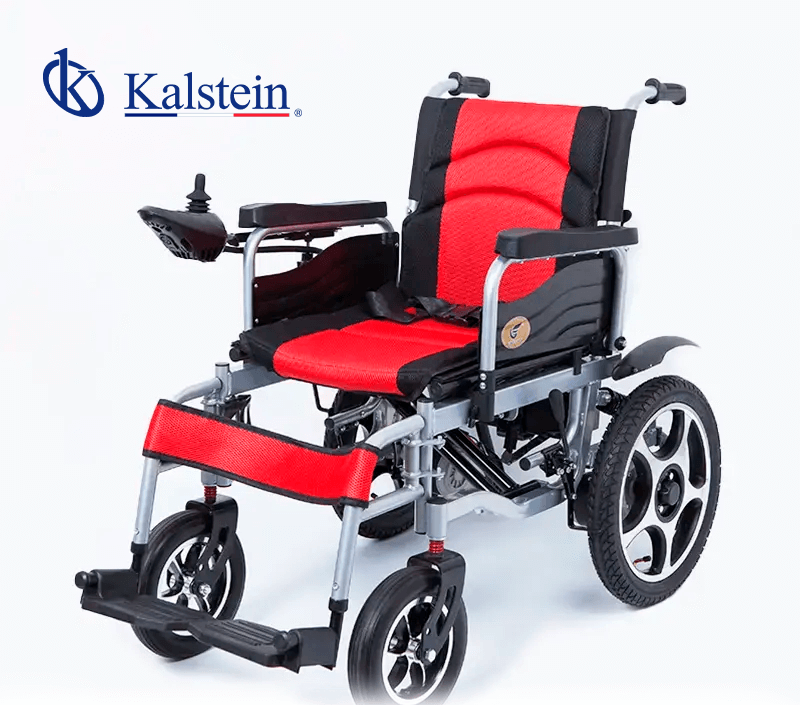
Electric wheelchairs have become essential in providing mobility solutions for those with disabilities and the elderly. In 2026, the use of electric wheelchairs is expected to expand further, with innovations enhancing their functionality and usability. This guide provides an in-depth look into the practical applications, technologies, and best practices for utilizing electric wheelchairs effectively.
What is it used for in 2026
In 2026, electric wheelchairs are increasingly utilized in various settings, including hospitals, rehabilitation centers, and homes. Their primary purpose is to assist individuals with mobility impairments, providing them with a means to navigate their environments independently. These devices enhance the quality of life by offering convenience, comfort, and accessibility.
History and evolution of the technology
The electric wheelchair has evolved significantly since its inception. Initially designed as simple motorized chairs, contemporary models now incorporate advanced technology, such as smart control systems, improved battery life, and enhanced maneuverability. Over the decades, user feedback and technological advancements have led to the creation of more efficient and user-friendly models, making electric wheelchairs a vital component of mobility assistance.
How to use it step by step
Using an electric wheelchair effectively involves several steps:
1. **Familiarize yourself with the controls** - Understand how to operate the joystick or control panel.
2. **Adjust the settings** - Customize the seat position, footrests, and armrests for comfort.
3. **Ensure safety features are activated** - Check brakes and ensure the chair is in the correct mode (manual or electric).
4. **Practice maneuvering** - Start in a safe, open space to practice turning, reversing, and navigating obstacles.
5. **Maintain a steady speed** - Adjust your speed according to the environment, ensuring safety in crowded areas.
Best techniques and protocols
When using electric wheelchairs, follow these best techniques and protocols:
- **Observe your surroundings**: Always be aware of your surroundings to avoid accidents.
- **Use ramps and lifts where available**: This ensures safety when navigating different terrain.
- **Regularly check for maintenance needs**: Ensure the wheelchair is serviced regularly for optimal performance.
- **Utilize assistive technology**: Integrate apps or devices that can enhance navigation and control.
Practical applications by laboratory type
Electric wheelchairs are beneficial in various environments. In hospitals, they can be used for patient transport. In rehabilitation centers, they provide essential mobility training for users. In research facilities, they can support studies on mobility and disability, enabling researchers to gather data on user experiences and outcomes.
Regulations, standards and certifications
In 2026, the regulatory landscape for electric wheelchairs includes stringent standards for safety and performance. Compliance with ISO standards, as well as local regulations, ensures that these devices are safe for use. Certifications indicate adherence to quality manufacturing processes, ensuring reliability and durability.
Comparison with alternative technologies
Electric wheelchairs differ significantly from manual wheelchairs and mobility scooters. While manual wheelchairs require physical effort to move, electric wheelchairs provide powered movement. Mobility scooters, on the other hand, are designed primarily for outdoor use and may not provide the same level of support and maneuverability as electric wheelchairs in smaller indoor spaces.
Comparison of available models
| Model | Best for | Key specs | Recommended use case |
|---|---|---|---|
| YR05440 | Lightweight transport | Seat width: 45cm, Max load: 130kg, Speed: 6km/h | Travel and short-distance mobility |
| YR05441 | Adjustable comfort | Seat width: 46cm, Max load: 130kg, Speed: 6km/h | Home and rehabilitation use |
| YR05442 | All-terrain usage | Max load: 200kg, Speed: 0-20km/h | Outdoor and rugged terrain mobility |
| YR05443 | Remote operation | Seat width: 45cm, Max load: 130kg, Speed: 6km/h | Convenient navigation in crowded areas |
| YR05444 | Bluetooth control | Max load: 100kg, Speed: 6km/h | Smart home integration |
| YR05445 | Lightweight mobility | Seat width: 36cm, Max load: 100kg, Speed: 8km/h | Short trips and transport |
Common mistakes and how to avoid them
Common mistakes in using electric wheelchairs include neglecting maintenance, improper use of controls, and failing to secure safety features before operation. To avoid these issues, users should:
- **Follow the manufacturer’s guidelines**: Always adhere to instructions for use and maintenance.
- **Regularly inspect the wheelchair**: Check for wear and tear, and replace parts when necessary.
- **Seek training**: Consider guidance from professionals on operating the equipment efficiently.
Maintenance, calibration and good practices 2026
Maintenance of electric wheelchairs in 2026 involves regular checks on batteries, motors, and physical components. Users should:
- **Charge batteries fully** before use and store them properly.
- **Clean the wheelchair** regularly to prevent dirt buildup.
- **Adjust settings as needed** to ensure comfort and usability.
Cost-benefit analysis 2026
Investing in an electric wheelchair provides significant benefits, including enhanced mobility, independence, and improved quality of life. While initial costs may seem high, the long-term advantages outweigh the expenses, particularly when considering reduced reliance on caregivers and improved access to environments.
Frequently asked questions
How do I choose the right electric wheelchair for my needs?
Choosing the right electric wheelchair involves assessing your mobility needs, weight capacity, and preferred features such as adjustability and terrain capability. Consider consulting with a healthcare professional for personalized recommendations.
What maintenance is required for electric wheelchairs?
Regular maintenance includes checking the battery, cleaning the wheelchair, inspecting tires, and ensuring all parts function correctly. Following the manufacturer’s maintenance schedule is essential for longevity.
Can electric wheelchairs be used outdoors?
Yes, many electric wheelchairs are designed for both indoor and outdoor use. Models with all-terrain capabilities are ideal for navigating uneven surfaces.
What safety features should I look for in an electric wheelchair?
Key safety features include responsive brakes, secure seat belts, anti-tip designs, and easy-to-use controls. Check for these features to ensure a safe experience.
How do I get insurance coverage for an electric wheelchair?
To obtain insurance coverage, consult your provider to understand your policy’s requirements for medical devices. Documentation from a healthcare professional may be necessary.
What is the average lifespan of an electric wheelchair?
The average lifespan of an electric wheelchair can vary but typically ranges from 5 to 10 years with proper maintenance. Regular servicing can extend its functionality.
Where can I find training for using an electric wheelchair?
Training may be available through rehabilitation centers, hospitals, or community programs. Online resources and workshops can also provide valuable information on safe operation.
If you are looking for a fusion of innovation and quality, you have come to the right place. At Kalstein, we offer you the luxury of exploring our exclusive catalog of laboratory equipment. We manufacture every device to the highest standards of excellence. Our intuitive and seamless online purchasing channels are designed for your convenience, securing the most competitive prices. Hesitate no longer — we bring science to life, it is time to become part of our community.