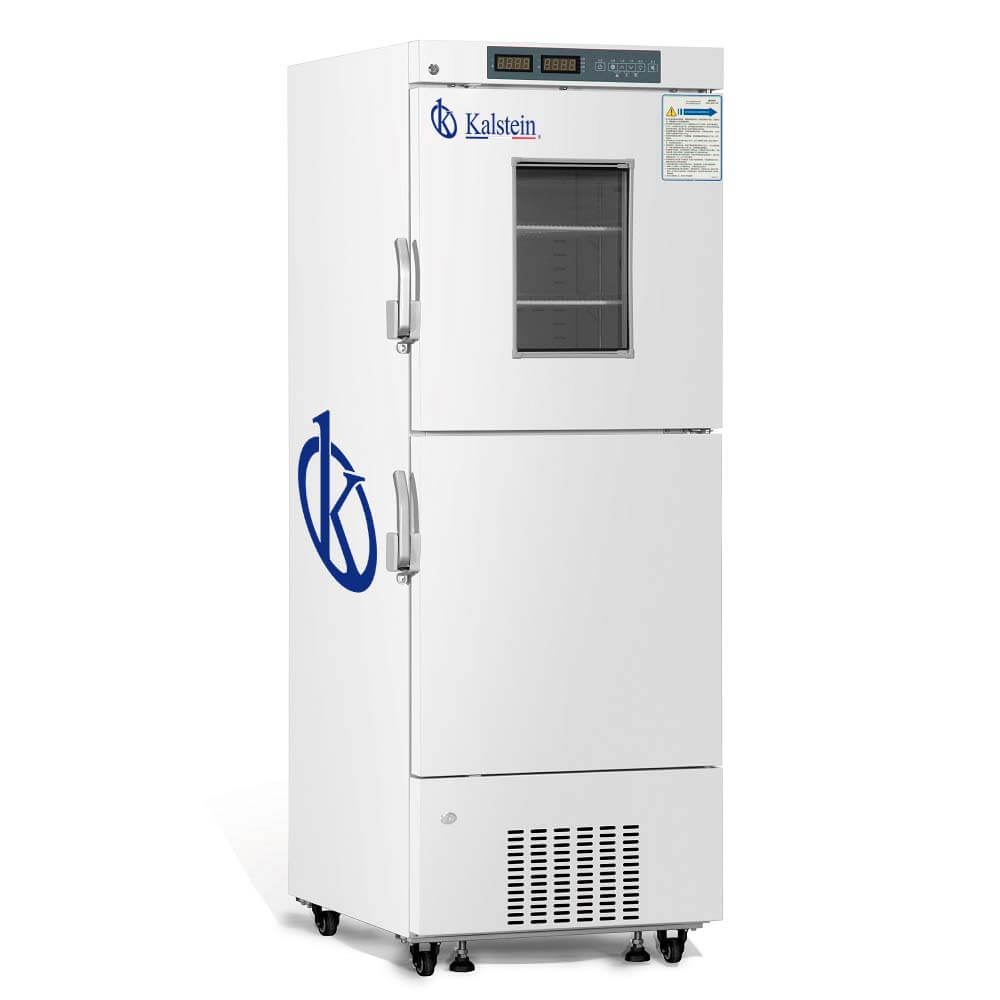
How to Achieve Energy Efficiency and Minimize Environmental Impact with Combined Freezers
In today's laboratory environments, energy sustainability and minimizing environmental impact have become paramount concerns. Combined freezers are increasingly pivotal in achieving these objectives. With advances in technology and design, these freezers not only enhance operational efficiency but also align with eco-friendly practices. This article explores the specific benefits, features, and models of combined freezers that contribute to energy efficiency and reduced ecological footprints.
Understanding Energy Sustainability in Laboratory Equipment
Energy sustainability refers to the practice of using energy-efficient equipment and methods that minimize power consumption while maintaining optimal performance. In laboratories, combined freezers serve as dual-purpose units, offering both refrigeration and freezing capabilities. Their designs often incorporate advanced insulation and cooling technologies, leading to notable reductions in energy usage.
Benefits of Combined Freezers in Reducing Environmental Impact
Using combined freezers reduces overall energy consumption, which translates to lower operational costs and a smaller carbon footprint. These units typically utilize environmentally friendly refrigerants like R290 and R600a, which have lower global warming potential. Moreover, the dual refrigeration systems allow for independent temperature controls, enhancing energy management while preserving stored materials.
Energy Consumption Metrics
When evaluating combined freezers, it is crucial to consider their energy consumption metrics. For instance, the YR05320 model boasts an energy consumption of only 4.15 kWh/24h, while the YR05321 model consumes 3.03 kWh/24h. These figures are essential for calculating the total cost of ownership and understanding how each model contributes to energy sustainability.
Comparison of Available Models
| Model | Cooling Method | Energy Consumption (kWh/24h) | Best For | Price (USD) |
|---|---|---|---|---|
| YR05320 | Direct Cooling | 4.15 | Pharmacy storage of plasma | 1415.00 |
| YR05321 | Direct Cooling | 3.03 | Hospitals and blood stations | 1060.00 |
| YR05321-1 | Direct Cooling | 3.03 | Blood transfusion centers | 745.00 |
Common Mistakes and How to Avoid Them
One common mistake in selecting combined freezers is overlooking energy efficiency ratings. Laboratory professionals should prioritize models that offer lower energy consumption while still meeting their storage needs. Additionally, failing to maintain equipment properly can lead to inefficiencies and increased energy use. Regular maintenance and monitoring are crucial to ensure optimal performance.
Frequently Asked Questions
What are the energy consumption metrics for combined freezers in laboratory settings?
The energy consumption of combined freezers varies by model. For instance, the YR05320 model consumes 4.15 kWh/24h, making it suitable for environments focused on energy efficiency, while the YR05321 consumes 3.03 kWh/24h, optimizing operational costs in hospitals.
How can I reduce the environmental footprint of my laboratory using combined freezers?
To minimize your lab's environmental footprint, choose combined freezers that utilize eco-friendly refrigerants like R290 and R600a. Models such as the YR05321-1 are designed with independent temperature controls, enhancing energy efficiency significantly.
Which combined freezer model is best for minimizing operational costs?
The YR05321 model, with its energy consumption of 3.03 kWh/24h and a price of $1060.00, presents an excellent balance of performance and cost-effectiveness, making it ideal for laboratories looking to minimize operational expenses.
How do independent temperature controls in combined freezers enhance energy efficiency?
Independent temperature controls allow users to optimize the settings for different compartments. For instance, the YR05321 model features dual systems that can be adjusted separately, leading to reduced energy usage and better conservation of stored materials.
What features should I look for in a combined freezer to ensure sustainability?
When selecting a combined freezer, prioritize features like efficient insulation, eco-friendly refrigerants, and energy consumption metrics. The YR05320 model exemplifies these features, providing significant energy savings while maintaining performance standards.
How do refrigerant types in combined freezers affect environmental impact?
Refrigerants like R290 and R600a, used in models such as the YR05321, have a lower global warming potential compared to traditional refrigerants. This makes them a better choice for laboratories aiming to reduce their overall environmental impact.
What is the importance of regular maintenance for combined freezers in laboratories?
Regular maintenance ensures that combined freezers operate efficiently, preventing energy waste. Proper upkeep of models like the YR05321-1 can minimize energy consumption and extend the lifespan of the equipment, contributing to sustainability goals.
How do combined freezers support energy management in laboratory environments?
Combined freezers enhance energy management by allowing precise temperature control and offering dual compartments for storing various materials. This is exemplified in the YR05321 model, which supports independent settings, ultimately leading to optimized energy usage.
If you are looking for a fusion of innovation and quality, you have come to the right place. At Kalstein, we offer you the luxury of exploring our exclusive catalog of laboratory equipment. We manufacture every device to the highest standards of excellence. Our intuitive and seamless online purchasing channels are designed for your convenience, securing the most competitive prices. Hesitate no longer — we bring science to life, it is time to become part of our community.