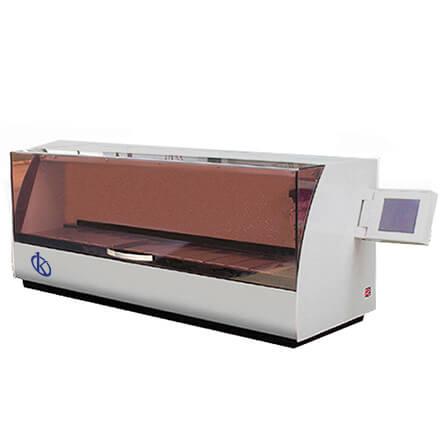
How to Achieve Energy Sustainability and Reduce Environmental Footprint with Automatic Slide Stainers
As laboratories continue to prioritize energy sustainability, automatic slide stainers play a crucial role in minimizing environmental footprint while enhancing efficiency. The integration of advanced technologies in these devices not only improves workflow but also addresses critical sustainability challenges faced by laboratories today. This article explores various models of automatic slide stainers, highlighting their capabilities, energy efficiency, and how they contribute to a more sustainable laboratory environment.
Understanding Energy Sustainability in Laboratories
Energy sustainability in laboratories involves using resources efficiently to minimize environmental impact. Laboratories can significantly reduce their carbon footprint by selecting equipment that optimizes energy use, reduces waste, and enhances operational efficiency. Automatic slide stainers, known for their ability to handle multiple samples simultaneously, can be designed to operate with minimal energy consumption, thus aligning with sustainability goals.
Energy Consumption Metrics of Automatic Slide Stainers
To evaluate the energy sustainability of automatic slide stainers, it’s essential to consider their energy consumption metrics. The amount of energy consumed (kWh) during operation can be influenced by factors such as the number of slides processed and the time taken for each staining cycle. Below is a breakdown of energy consumption metrics for the models discussed in this article.
| Model | Power Consumption (W) | Average Energy Use per Cycle (kWh) |
|---|---|---|
| YR435 | 500 | 0.083 |
| YR435-1 | 200 | 0.033 |
| YR436-1 | 400 | 0.067 |
Comparison of Available Models
| Model | Water Efficiency | Reagent Consumption | Best For |
|---|---|---|---|
| YR435 | 14 cups processing, adjustable | 72 slides simultaneously | High-throughput labs |
| YR435-1 | 30 slides/hour | 10 racks for different programs | Versatile staining needs |
| YR436-1 | 15 tanks, adjustable treatment | 350ml each tank | Compact workspaces |
Strategies to Reduce Environmental Footprint
Laboratories can implement several strategies to enhance energy sustainability and reduce their environmental footprint while using automatic slide stainers:
- Optimize Staining Protocols: Adjusting the drying and washing time can lead to significant reductions in reagent use.
- Implement Recycling Programs: Encourage the recycling of staining solutions and other consumables when possible.
- Regular Maintenance: Ensuring that slide stainers are well-maintained can prevent energy waste and improve operational efficiency.
- Invest in Energy-efficient Models: Choose models like YR435-1, which operate with lower energy consumption while meeting laboratory demands.
Common Mistakes and How to Avoid Them
While transitioning to energy-efficient practices, laboratories may encounter several pitfalls:
- Neglecting Equipment Maintenance: Regular checks and maintenance can help avoid excessive energy consumption.
- Ignoring Training for Staff: Providing training on the efficient use of automatic slide stainers can enhance their effectiveness in energy savings.
- Underestimating Energy Costs: Understanding the full energy costs associated with slide staining can lead to better budgeting and resource allocation.
Frequently Asked Questions
What are the energy-efficient features of the YR435 automatic slide stainer?
The YR435 model has a power consumption of 500W and is designed for high throughput with 72 slides processed simultaneously, making it energy-efficient in high-demand settings.
How does the YR435-1 help reduce reagent waste in laboratories?
The YR435-1 model allows for both simultaneous and individual staining, enabling configurable staining processes that minimize reagent waste while maximizing lab efficiency.
What is the typical energy consumption of the YR436-1 during operation?
The YR436-1 consumes approximately 400W and uses around 0.067 kWh on average per staining cycle, which contributes to reduced energy costs in laboratory settings.
How can automatic slide stainers optimize laboratory workflows sustainably?
Automatic slide stainers like the YR435-1 enhance workflow by allowing simultaneous processing of multiple slides, reducing turnaround time while maintaining energy efficiency.
Which automatic slide stainer is best for low-volume applications?
The YR436-1, with its compact size and adjustable processing features, is ideal for laboratories with limited space and lower volume needs, focusing on energy-efficient operations.
What are the environmental benefits of using automatic slide stainers?
Using automatic slide stainers reduces manual handling, minimizes reagent waste, and streamlines processes, leading to a smaller overall environmental footprint in laboratory operations.
How can laboratories measure their energy savings from using automatic slide stainers?
Laboratories can track energy savings by analyzing pre- and post-implementation energy consumption metrics, considering the operating power of models like YR435 and their overall throughput.
Where can I find more information on sustainability in laboratory equipment?
For comprehensive insights into energy sustainability, including automatic slide stainers, consider industry publications and manufacturer resources that detail energy consumption profiles and efficiency ratings.
If you are looking for a fusion of innovation and quality, you have come to the right place. At Kalstein, we offer you the luxury of exploring our exclusive catalog of laboratory equipment. We manufacture every device to the highest standards of excellence. Our intuitive and seamless online purchasing channels are designed for your convenience, securing the most competitive prices. Hesitate no longer — we bring science to life, it is time to become part of our community.