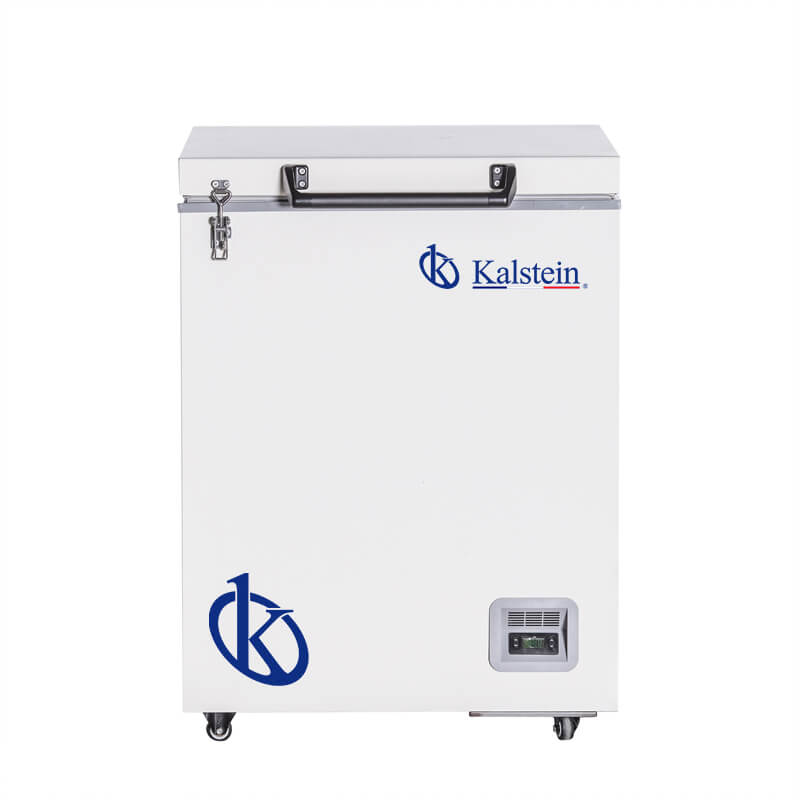
How to Achieve Energy Sustainability and Reduce Environmental Footprint with Chest Freezers?
As laboratory professionals strive to meet regulatory requirements and sustainability goals, choosing the right chest freezer is paramount. With growing concerns over energy consumption and environmental impact, understanding the energy sustainability and environmental footprint of laboratory equipment is essential. This article will compare multiple models of chest freezers, highlighting how they contribute to energy efficiency and reduced environmental footprint.
Understanding Energy Sustainability in Chest Freezers
Energy sustainability refers to practices that minimize energy consumption while maximizing efficiency. In the context of chest freezers, this means selecting models that use environmentally friendly refrigerants and consume less energy over their lifecycle. Key factors include the type of refrigerant used, energy consumption rates, and built-in features that enhance efficiency.
Environmental Footprint Reduction Strategies
Reducing the environmental footprint of laboratory operations involves careful selection and maintenance of equipment. This includes considering energy consumption, refrigerant types, and waste management practices. By opting for models that are energy-efficient and have a low impact on the environment, laboratories can significantly reduce their overall footprint.
Benefits of Energy-Efficient Chest Freezers
Investing in energy-efficient chest freezers not only aligns with sustainability goals but also results in financial savings. These models typically have lower operational costs due to reduced energy consumption, making them a wise choice for budget-sensitive laboratories. Moreover, they often come equipped with advanced features such as programmable settings that optimize energy use even further.
Comparison of Available Models
| Model | Energy Consumption (kWh/24h) | Refrigerant | Price (USD) | Best for |
|---|---|---|---|---|
| YR05102 | 1.65 | R290 | 450.00 | General laboratory use |
| YR05103 | 1.68 | R290 | 885.00 | Medium to large labs |
| YR05104 | 3.45 | R290 | 1100.00 | Higher capacity needs |
| YR05314 | 11.5 | Mixed gas | 3150.00 | Ultra-low temperature applications |
| YR05313 | 3.8 | Mixed gas | 1825.00 | Small ultra-low needs |
| YR05315 | 3.2 | HFC | 1150.00 | Biomedical storage |
Common Mistakes and How to Avoid Them
Many laboratories overlook energy ratings when selecting chest freezers, leading to increased operational costs. It’s crucial to compare models based on energy consumption metrics and consider the long-term savings associated with energy-efficient options. Additionally, laboratories should regularly maintain their freezers to ensure they operate at optimal efficiency.
Energy Consumption and Cost Analysis
To better understand the financial implications of energy consumption, let’s analyze the cost per month for the different chest freezer models based on energy usage.
| Model | Monthly Energy Cost (USD) |
|---|---|
| YR05102 | 7.86 |
| YR05103 | 7.92 |
| YR05104 | 22.41 |
| YR05314 | 83.24 |
| YR05313 | 46.12 |
| YR05315 | 38.03 |
Frequently Asked Questions
How much energy does the YR05102 chest freezer consume in a month?
The YR05102 chest freezer consumes approximately 7.86 USD per month based on its energy consumption of 1.65 kWh/24h, making it a cost-effective option for laboratories.
What is the environmental impact of using R290 refrigerant in chest freezers?
R290 is a hydrocarbon refrigerant that has a low global warming potential compared to traditional refrigerants. Models like the YR05102 and YR05103 utilize R290, contributing to environmental sustainability in laboratory operations.
How do I choose the best chest freezer for energy efficiency?
Look for models with low energy consumption rates, such as the YR05102 and YR05103, which offer efficient performance without compromising storage capacity. Prioritize freezers with modern features that optimize energy use.
What is the average lifespan of a chest freezer in a laboratory setting?
Most chest freezers, including models like the YR05104 and YR05115, can last anywhere from 10 to 20 years with proper maintenance and care. Choosing energy-efficient models can enhance lifespan and reduce overall costs.
Which chest freezer is best for biomedical storage?
The YR05315 model is optimized for biomedical storage, maintaining temperatures as low as -60ºC while ensuring energy efficiency and safety protocols are met.
How to ensure my chest freezer complies with energy regulations?
Ensure your chosen chest freezer meets local and international energy standards, such as ENERGY STAR certifications. Models like the YR05102 and YR05103 are designed with compliance in mind.
What features should I look for to reduce my laboratory's energy footprint?
Look for models that include programmable temperature settings, alarms for temperature fluctuations, and high thermal insulation, such as the YR05314, which enhances energy efficiency significantly.
How can I maximize the lifespan of my chest freezer?
Regular maintenance, such as cleaning coils and checking seals, can help maximize the lifespan of your chest freezer. Models like the YR05103 offer durable construction to withstand rigorous use.
If you are looking for a fusion of innovation and quality, you have come to the right place. At Kalstein, we offer you the luxury of exploring our exclusive catalog of laboratory equipment. We manufacture every device to the highest standards of excellence. Our intuitive and seamless online purchasing channels are designed for your convenience, securing the most competitive prices. Hesitate no longer — we bring science to life, it is time to become part of our community.