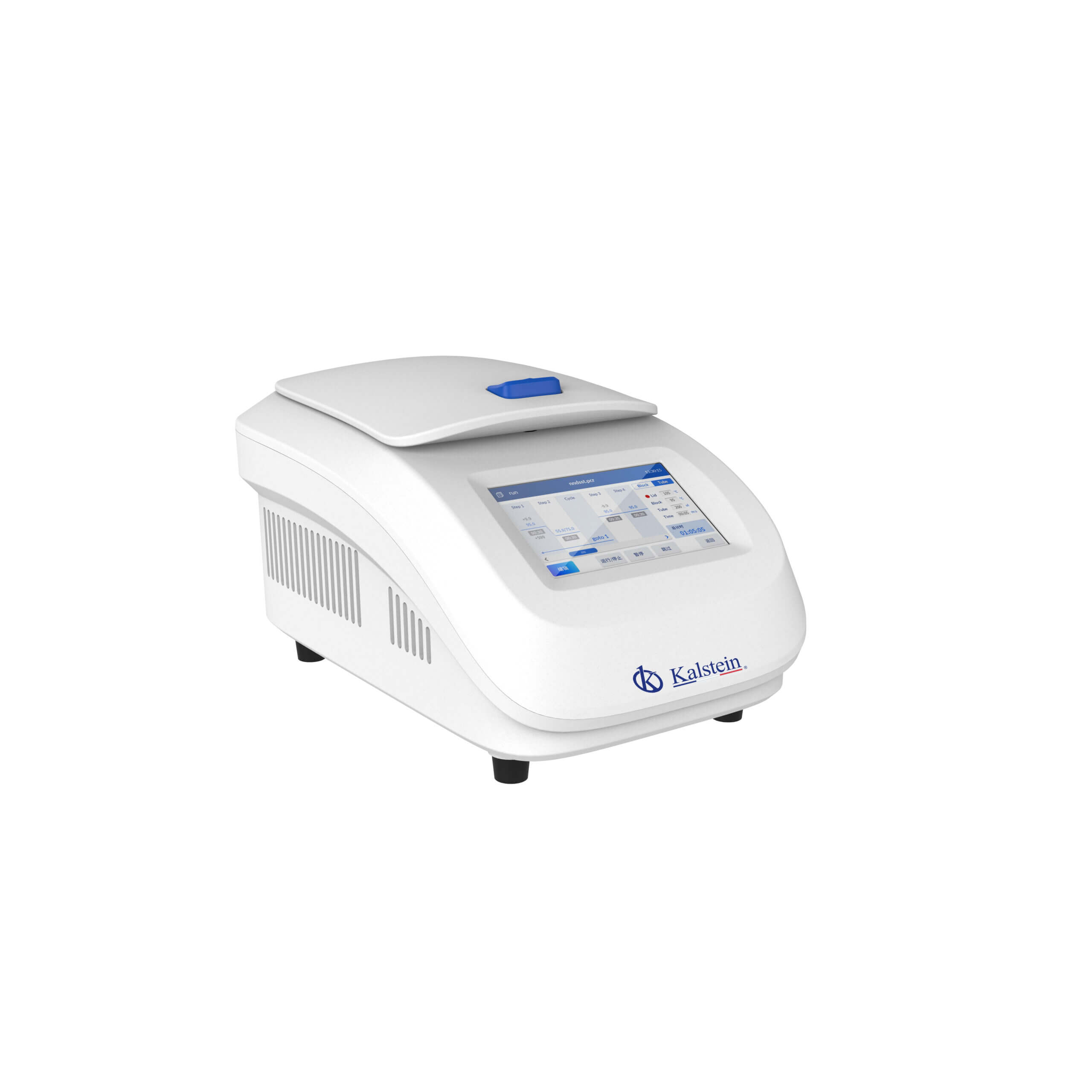
Energy Sustainability and Environmental Footprint in Biochemical BOD Incubators
In the ever-evolving landscape of laboratory practices, energy sustainability and minimizing environmental impact have emerged as pivotal considerations. This is particularly true for biochemical BOD incubators, which are essential for laboratories focusing on biochemical oxygen demand testing. As these devices become more integral to laboratory workflows, understanding their energy consumption and environmental footprint is crucial for achieving operational efficiency and sustainability goals. This article aims to compare various models of biochemical BOD incubators, highlighting their contributions to energy sustainability and reducing environmental footprints.
Understanding Energy Sustainability in Biochemical BOD Incubators
Energy sustainability refers to the ability to meet present energy needs without compromising future generations' ability to meet theirs. In laboratories, this concept translates into selecting equipment that operates efficiently and has a minimal carbon footprint. Biochemical BOD incubators are designed to simulate environmental conditions for various biological samples, and their energy consumption can significantly impact overall laboratory sustainability.
Evaluating Environmental Footprint of BOD Incubators
The environmental footprint of a laboratory device encompasses various factors, including energy consumption, waste production, and resource utilization. Biochemical BOD incubators must be assessed not just on their immediate functionality but also on their broader impact on the environment. Key metrics include energy consumption in kWh, materials used in manufacturing, and recyclability at the end of their lifecycle.
Comparison of Available Models
| Model Code | Price (USD) | Temperature Range (°C) | Power Consumption (W) | Best for |
|---|---|---|---|---|
| YR05889 | 590.00 | R.T. -25℃ to 100℃ | 200 | Sample preservation and DNA amplification |
| YR05890 | 390.00 | R.T. +5℃ to 100℃ | 250 | Sample reactions and protein denaturation |
| YR05891 | 89.00 | RT +5℃ to 100℃ | 48 | Small labs and rapid testing kits |
| YR05892 | 189.00 | RT +5℃ to 100℃ | 60 | Field applications and portable testing |
| YR05893 | 149.00 | RT +5℃ to 100℃ | 120 | Small scale reactions |
| YR05894 | 119.00 | RT +5℃ to 105℃ | 150 | Clinical and environmental sample testing |
Energy Consumption Metrics and Their Importance
To achieve energy sustainability, it is vital to analyze the energy consumption of each incubator model. For instance, the YR05891 model, with a power consumption of just 48W, is particularly suitable for small labs aiming to reduce their energy footprint. This contrasts with the YR05890, which operates at 250W but offers advanced features for more complex sample reactions. Understanding these metrics helps laboratories make informed equipment choices that align with sustainability goals.
Technological Innovations and Reductions in Energy Use
Advancements in incubator technology, such as Peltier-based heating elements, contribute significantly to energy efficiency. The YR05889 and YR05890 models utilize semiconductor technology which enhances temperature control while minimizing energy usage. Implementing such technologies not only reduces operational costs but also supports laboratories in their quest for sustainable practices.
Lifecycle Assessment of Biochemical BOD Incubators
A comprehensive lifecycle assessment (LCA) evaluates the environmental impact of incubators from production through usage to disposal. Biochemical BOD incubators like the YR05894, designed with high precision and minimal waste, can significantly lower their environmental footprint over their operational lifespan. By choosing models with better LCA scores, laboratories can ensure they are investing in sustainable solutions.
Common Mistakes and How to Avoid Them
One prevalent mistake in laboratory equipment selection is overlooking long-term energy costs. Professionals often focus solely on the initial purchase price without considering operational efficiency and energy consumption. For example, selecting the YR05891 for its low price may ultimately lead to higher operational costs compared to investing in a more efficient model like the YR05889, which offers long-term savings. Evaluating energy consumption alongside initial costs is critical for sustainable decision-making.
Frequently Asked Questions
What is the energy consumption of the YR05889 biochemical BOD incubator?
The YR05889 model has a power consumption of 200W, making it suitable for various laboratory applications while considering energy efficiency. This incubator supports high-precision temperature control, which aids in reducing energy waste during operation.
How do the heating elements in YR05890 contribute to energy savings?
The YR05890 model features Peltier-based heating technology, which enhances energy efficiency by providing precise temperature control while minimizing energy expenditure. This capability allows laboratories to maintain optimal conditions for sample reactions with a lower environmental impact.
Which models are best for reducing environmental footprints in small laboratories?
For small laboratories, the YR05891 and YR05892 models are ideal as they are designed for portability and low energy consumption. The YR05891 operates at only 48W, significantly reducing the environmental footprint while maintaining functionality for small-scale testing.
How does the YR05894 model enhance sustainability in clinical testing?
The YR05894 model is engineered for high precision with an energy consumption of 150W, providing a reliable solution for clinical and environmental sample testing. Its design minimizes waste and supports laboratories in achieving their sustainability objectives.
What lifecycle assessment factors should be considered for BOD incubators?
When assessing the lifecycle of biochemical BOD incubators, consider factors such as energy consumption, materials used in construction, and recyclability. Models like the YR05890 are designed for lower environmental impact, reinforcing the importance of sustainable practices in lab operations.
Can investing in an energy-efficient incubator reduce operational costs?
Yes, investing in energy-efficient models such as the YR05889 can significantly lower operational costs over time. Their advanced technologies reduce energy consumption, leading to long-term savings that offset the initial investment.
How does the YR05892 model facilitate rapid testing while being energy efficient?
The YR05892 model, with a low power consumption of 60W, is designed for rapid testing applications in the field. Its compact size and efficient energy use make it an excellent choice for small labs aiming to maintain productivity without compromising sustainability.
What practical steps can laboratories take to enhance energy sustainability?
Laboratories can enhance energy sustainability by selecting energy-efficient equipment, implementing regular maintenance schedules, and training staff on best practices for energy conservation. Choosing incubators like the YR05889 ensures compliance with sustainability goals while optimizing operational efficiency.
If you are looking for a fusion of innovation and quality, you have come to the right place. At Kalstein, we offer you the luxury of exploring our exclusive catalog of laboratory equipment. We manufacture every device to the highest standards of excellence. Our intuitive and seamless online purchasing channels are designed for your convenience, securing the most competitive prices. Hesitate no longer — we bring science to life, it is time to become part of our community.