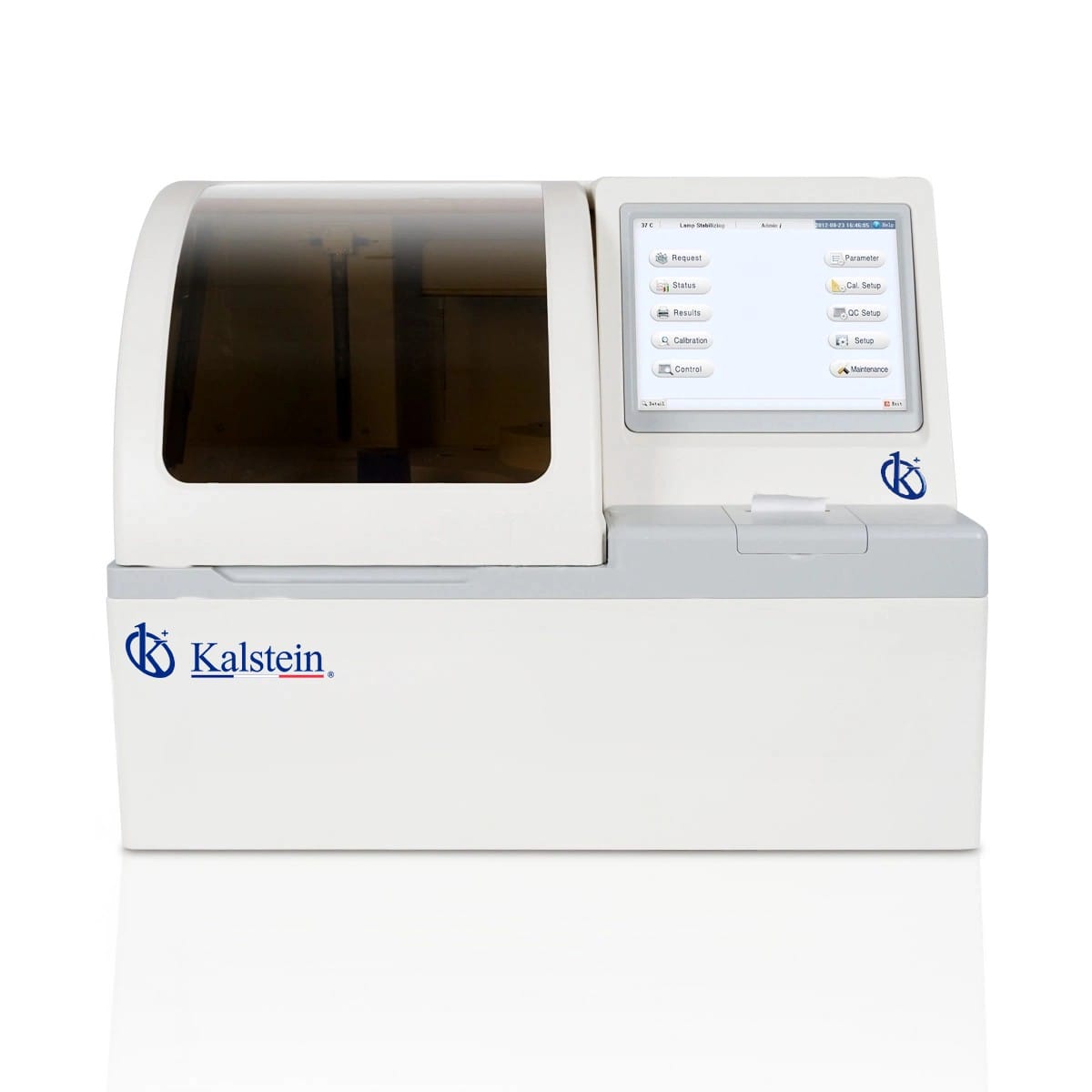
Energy Sustainability and Environmental Footprint Reduction in Veterinary Chemistry Analyzers
As the demand for efficiency and sustainability in laboratory settings grows, veterinary chemistry analyzers play a pivotal role in reducing the environmental impact of veterinary diagnostics. This article explores the various aspects of energy sustainability and environmental footprint reduction in veterinary chemistry analyzers, examining how these devices can be optimized for efficiency and ecological responsibility.
Understanding the Role of Veterinary Chemistry Analyzers in Sustainability
Veterinary chemistry analyzers are essential tools in veterinary medicine, providing critical diagnostic information for animal health. However, their operation often involves significant energy consumption and reagent usage. By employing energy-efficient technologies and sustainable practices, these analyzers can contribute to a lower environmental footprint.
Key Features Supporting Energy Sustainability in Analyzers
Modern veterinary chemistry analyzers incorporate several features designed to optimize energy use and reduce waste. These features include:
- Micro-volume Samples: Many analyzers, such as the Automatic Veterinary Chemistry Analyzer YR06168, require only micro-volumes of samples and reagents, leading to reduced waste.
- Automated Calibration: Devices like the Blood Gas and Electrolyte Analyzer YR06174 ensure that calibration is managed efficiently, minimizing the need for frequent manual adjustments that can waste time and energy.
- Power Management Systems: With intelligent power-saving modes, analyzers like the Portable Veterinary Chemistry Analyzer YR06169 can significantly decrease energy consumption during idle periods.
Comparative Analysis of Energy Consumption Across Models
To better understand the variations in energy consumption among different models of veterinary chemistry analyzers, we provide a comparative analysis below:
| Model | Energy Consumption (kWh/run) | Sample Volume (μL) | Reagents Used (μL) | Best Use Case |
|---|---|---|---|---|
| YR06168 | 0.3 | 3-45 | 180-450 | High-throughput testing for clinics |
| YR06169 | 0.1 | 100 | N/A | Field testing and emergency diagnostics |
| YR06172 | 0.05 | 200 | N/A | Portable diagnostics in various settings |
| YR06174 | 0.4 | 150 | N/A | Comprehensive gas and electrolyte analysis |
| YR06077 | 0.25 | 50 | 500 | Routine lab use with multiple species |
Lifecycle Assessment of Veterinary Chemistry Analyzers
The lifecycle assessment (LCA) of veterinary chemistry analyzers is essential for understanding their environmental impact from production to disposal. Evaluating every stage of the analyzer's lifecycle can identify significant areas for sustainability improvements.
Key components of an LCA include:
- Manufacturing Impact: Analyzers must be manufactured with sustainable materials and processes to minimize their overall carbon footprint.
- Operational Efficiency: Devices should be designed for optimal energy use during operation, as seen with the various models listed.
- End-of-Life Disposal: Implementing recycling programs for electronic components can reduce e-waste significantly.
Common Mistakes and How to Avoid Them
In striving for sustainability, laboratories often make several common mistakes that can hinder their efforts. To avoid these pitfalls, consider the following:
- Underestimating Energy Costs: Many labs fail to account for energy usage in their operational budgets. Always factor in energy consumption when selecting equipment.
- Ignoring Reagent Waste: Select analyzers like the YR06168 that utilize minimal reagents to decrease waste and overall costs.
- Neglecting Maintenance: Regular maintenance ensures that analyzers operate at peak efficiency, thus conserving energy and resources.
Comparison of Available Models
| Model | Price (USD) | Key Features | Best for |
|---|---|---|---|
| YR06168 | 6800.00 | High throughput, multilingual software | Busy clinics needing efficiency |
| YR06169 | 2000.00 | Portable, fast results | Field use and emergencies |
| YR06172 | 700.00 | Lightweight, WiFi data transmission | Portable diagnostics |
| YR06174 | 6600.00 | All-in-one design, long-lasting fluid system | Critical care analysis |
| YR06077 | 950.00 | Supports multiple species | General practice |
Frequently Asked Questions
How can the YR06168 analyzer help reduce reagent waste in veterinary labs?
The Automatic Veterinary Chemistry Analyzer YR06168 is designed for efficient use of reagents, utilizing micro-volumes for each test, which significantly reduces waste. With its capability of handling up to 100 tests per hour, it maximizes output while minimizing the environmental footprint.
What energy-saving features are available in the YR06169 portable analyzer?
The Portable Veterinary Chemistry Analyzer YR06169 features a user-friendly interface and is designed to minimize energy consumption. Its compact design requires less power, making it ideal for field diagnostics, where energy resources can be limited.
Which veterinary chemistry analyzer is best for energy efficiency in clinical settings?
Among the analyzed models, the Automatic Veterinary Chemistry Analyzer YR06168 stands out for its high efficiency, processing up to 100 tests per hour while consuming less energy per sample, making it suitable for busy clinical settings focused on sustainability.
What are the benefits of using the YR06174 analyzer in an emergency veterinary practice?
The Blood Gas and Electrolyte Analyzer YR06174 features a comprehensive design that integrates multiple testing capabilities. Its rapid output and minimal reagent use make it essential for emergency practices, ensuring timely results without sacrificing sustainability.
How does the YR06172 support mobile veterinary practices?
The Quantitative Veterinary Immunofluorescence Analyzer YR06172 is lightweight and equipped with a built-in battery, providing up to 2 hours of operation. This portability enables mobile veterinary practices to conduct diagnostics effectively while maintaining a low environmental impact.
Which features in the YR06077 contribute to lower operational costs?
The Chemical Veterinary Analyzer YR06077 is designed with preprogrammed calculations for kinetic and end-point assays, which streamlines processes and reduces operational costs by minimizing the need for extensive manual interventions and reagent use.
How can veterinary clinics improve their overall environmental impact using these analyzers?
By integrating energy-efficient models like the YR06169 and implementing sustainable practices such as proper maintenance and minimal reagent use, veterinary clinics can significantly reduce their environmental footprint while enhancing diagnostic capabilities.
What common mistakes should labs avoid when choosing a veterinary chemistry analyzer for sustainability?
Labs should avoid underestimating energy costs, neglecting reagent waste, and overlooking the importance of regular maintenance. Selecting analyzers such as the YR06168 can mitigate these common pitfalls by ensuring efficiency and sustainability are prioritized.
If you are looking for a fusion of innovation and quality, you have come to the right place. At Kalstein, we offer you the luxury of exploring our exclusive catalog of laboratory equipment. We manufacture every device to the highest standards of excellence. Our intuitive and seamless online purchasing channels are designed for your convenience, securing the most competitive prices. Hesitate no longer — we bring science to life, it is time to become part of our community.