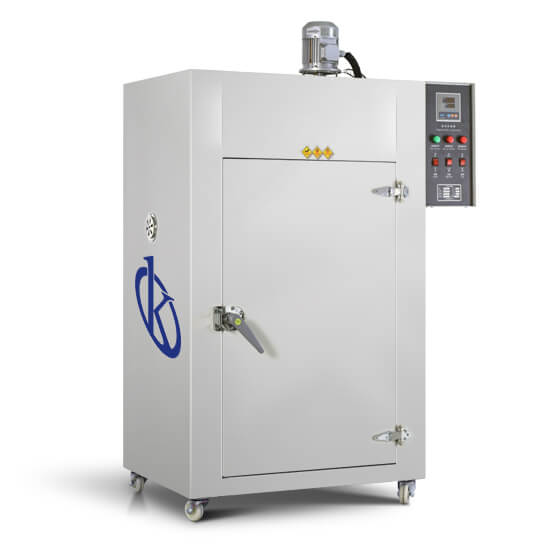
How to Enhance Energy Sustainability and Reduce Environmental Footprint with Industrial Ovens
In an era where energy sustainability and reducing environmental impact are paramount, industrial ovens play a crucial role in optimizing operational efficiency. These ovens, utilized widely across various sectors, are essential for processes such as drying, curing, and heating. This article delves into how laboratory professionals can enhance energy efficiency and reduce their carbon footprint through the strategic use of industrial ovens, focusing on specific models and their capabilities.
Understanding Energy Sustainability in Industrial Ovens
Energy sustainability in industrial ovens involves minimizing energy consumption while maximizing output. This can be achieved through several methods including the selection of energy-efficient models, optimizing operational practices, and implementing regular maintenance schedules to ensure peak performance. By focusing on these areas, laboratories can significantly reduce their environmental impact.
Energy Efficiency Metrics for Industrial Ovens
When evaluating the energy efficiency of industrial ovens, professionals should consider key metrics such as energy consumption (kWh per operation), operational temperature stability, and maintenance costs. These metrics provide insights into how well an oven performs its functions while utilizing resources efficiently.
Comparative Analysis of Industrial Ovens
| Model | Power (kW) | Temperature Range (°C) | Volume (L) | Best for | Price (USD) |
|---|---|---|---|---|---|
| YR05256-A | 4-6 | RT + 5 to 250 | 300 | Batch operations in industrial settings | 580.00 |
| YR05257-1-A | 8-12 | RT + 5 to 250 | 864 | Heavy industrial applications | 1010.00 |
| YR05258-SS | 4-6 | RT + 5 to 250 | 300 | Jewelry and electronics drying | 860.00 |
| YR05259-1-SS | 8-12 | RT + 5 to 250 | 864 | High-volume drying and curing | 1510.00 |
Strategies for Reducing Energy Consumption
To effectively reduce energy consumption in industrial ovens, consider implementing the following strategies:
- Regular Maintenance: Ensure that ovens are regularly serviced to maintain optimal performance.
- Temperature Management: Monitor and control temperatures closely to avoid unnecessary energy use.
- Use of Insulation: Employ high-quality insulation to minimize heat loss.
Lifecycle Assessment of Industrial Ovens
Conducting a lifecycle assessment (LCA) allows professionals to evaluate the environmental impacts associated with all the stages of an oven's life from production to disposal. Understanding these impacts assists in making informed decisions regarding model selection and operational practices.
Common Mistakes and How to Avoid Them
Laboratories often fall into several traps when it comes to the operation of industrial ovens. Common mistakes include:
- Ignoring Maintenance: Regular checks and maintenance can significantly enhance the longevity and efficiency of ovens.
- Overloading Ovens: This can lead to uneven heating and increased energy use.
- Inconsistent Temperature Settings: Fluctuating temperatures can waste energy and affect product quality.
Advantages of Using Energy-Efficient Industrial Ovens
Investing in energy-efficient industrial ovens not only reduces energy consumption but also decreases operational costs. Models like the YR05257-1-A and YR05259-1-SS are designed for heavy-duty applications while maintaining energy efficiency, making them ideal for laboratories focused on sustainability.
Frequently Asked Questions
How can I measure the energy efficiency of an industrial oven?
To measure the energy efficiency of an industrial oven, monitor its power consumption during operations (in kWh per run). Models like YR05256-A provide insights into energy consumption metrics that can help you evaluate your energy use effectively.
What are the best practices for reducing the environmental footprint of industrial ovens?
Best practices for reducing the environmental footprint include regular maintenance, optimizing temperature settings, and choosing energy-efficient models like YR05257-1-A, which offers low operational costs and high operational efficiency.
Which models of industrial ovens are best for high-volume production?
For high-volume production, models like YR05259-1-SS are ideal as they provide a significant volume capacity of 864L and higher power, allowing for efficient processing without compromising energy efficiency.
What is the expected lifespan of an industrial oven?
The expected lifespan of an industrial oven can vary, but many models, such as the YR05257-1-A, are designed for durability and can last over a decade with appropriate maintenance, thereby contributing to sustainable practices.
How do I choose an industrial oven that minimizes energy consumption?
To choose an industrial oven that minimizes energy consumption, focus on models that offer high energy efficiency ratings, like YR05256-A, which features advanced thermal management systems to ensure optimal energy use during operations.
What maintenance practices enhance the energy efficiency of industrial ovens?
Routine maintenance practices such as cleaning heating elements, checking seals for insulation, and calibration of temperature settings significantly enhance energy efficiency, ensuring that models like YR05258-SS operate effectively.
How does the choice of materials affect the efficiency of an industrial oven?
The choice of materials in industrial ovens can significantly impact efficiency. For instance, stainless steel interiors in models like YR05259-1-SS provide better thermal conductivity and durability, thereby improving energy use during operations.
What are the energy consumption benchmarks for industrial ovens?
Energy consumption benchmarks for industrial ovens generally range from 4 to 12 kW depending on the model and usage. For example, the YR05257-1-A operates at 8-12 kW, making it suitable for energy-conscious operations.
If you are looking for a fusion of innovation and quality, you have come to the right place. At Kalstein, we offer you the luxury of exploring our exclusive catalog of laboratory equipment. We manufacture every device to the highest standards of excellence. Our intuitive and seamless online purchasing channels are designed for your convenience, securing the most competitive prices. Hesitate no longer — we bring science to life, it is time to become part of our community.