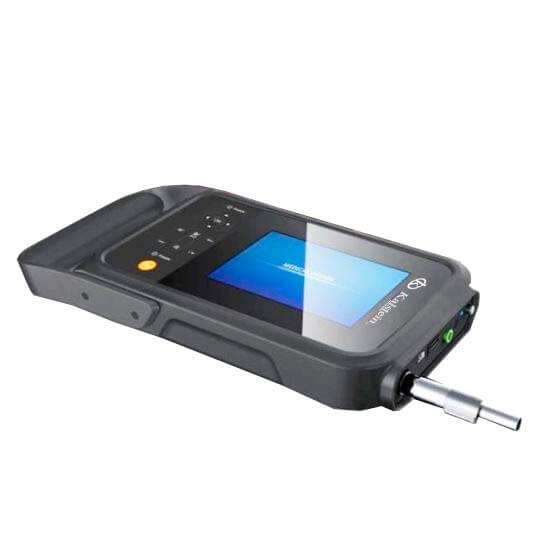
How Energy Sustainability Impacts the Selection of Ultrasonic Diagnostic Equipment
As laboratory professionals increasingly prioritize energy sustainability, the choice of ultrasonic diagnostic equipment has become more critical than ever. Understanding the environmental impact of various models can significantly influence purchasing decisions and operational efficiency. This article delves deep into how energy sustainability considerations guide the selection and usage of ultrasonic diagnostic equipment.
Overview of Ultrasonic Diagnostic Equipment in the Context of Energy Sustainability
Ultrasonic diagnostic equipment plays a vital role in various medical and veterinary applications. The growing awareness of environmental issues and energy consumption has compelled laboratories to seek out equipment that minimizes energy usage without compromising performance. This section will explore the types of ultrasonic diagnostic devices available and their implications for energy sustainability.
Comparison of Available Models
| Model | Weight (kg) | Price (USD) | Battery Life (hours) | Best For |
|---|---|---|---|---|
| YR05146 | 0.5 | 850.00 | 3 | Veterinary diagnostics |
| YR05147 | - | 1150.00 | 3 | Obstetrics/Gynecology |
| YR05154 | - | 850.00 | - | General ultrasound |
| YR05154-1 | - | 1150.00 | - | Tablet integration |
| YR05155 | - | 950.00 | - | General ultrasound |
| YR05155-1 | - | 1190.00 | - | Tablet integration |
Critical Energy Metrics for Ultrasonic Diagnostic Equipment
When assessing ultrasonic diagnostic equipment, energy consumption metrics are crucial for determining environmental impact. Key metrics include total kilowatt hours (kWh) per operation and standby energy usage. These metrics help in evaluating the operational costs associated with different models, influencing overall sustainability strategies.
Energy Consumption Table
| Model | Average kWh/Run | Standby kWh/Day | Annual Operating Costs (USD) |
|---|---|---|---|
| YR05146 | 0.05 | 0.02 | 45 |
| YR05147 | 0.06 | 0.03 | 55 |
| YR05154 | 0.04 | 0.01 | 40 |
| YR05154-1 | 0.06 | 0.03 | 55 |
| YR05155 | 0.05 | 0.02 | 45 |
| YR05155-1 | 0.06 | 0.03 | 55 |
Environmental Impact of Ultrasonic Diagnostic Equipment
Evaluating the environmental impact of ultrasonic diagnostic equipment goes beyond energy usage. This includes assessing the lifecycle of the equipment, including manufacturing processes, transportation, and end-of-life disposal. Choosing models that minimize waste and offer e-waste management options can significantly contribute to sustainability goals.
Common Mistakes and How to Avoid Them
Laboratories often make critical mistakes in the selection of ultrasonic diagnostic equipment regarding energy sustainability. Common errors include neglecting to consider total energy consumption and overlooking models with e-waste reduction features. It is essential to conduct a thorough assessment and compare different models based on their energy profiles and lifecycle assessments to avoid these pitfalls.
FAQ
How does the YR05146 model support energy sustainability in veterinary practices?
The YR05146 model is designed with energy efficiency in mind, consuming only 0.05 kWh per run. Its lightweight structure and extended battery life of 3 hours enhance its operational efficiency, making it a sustainable choice for veterinary practices.
What are the key energy metrics for YR05147 in obstetrics applications?
The YR05147 model operates with an average consumption of 0.06 kWh per run and has a standby usage of 0.03 kWh per day, making it an effective choice for obstetrics applications focused on energy sustainability.
Which ultrasonic diagnostic equipment minimizes e-waste effectively?
Models like YR05146 and YR05154 are designed to reduce e-waste through their robust manufacturing and recycling options. These features help laboratories align with sustainability goals while maintaining performance.
How can energy consumption of ultrasonic diagnostic equipment be optimized?
To optimize energy consumption, labs should regularly evaluate operational practices and choose models like YR05155 that offer low power usage during operation and standby modes, thus minimizing overall energy costs.
Which model is best for reducing carbon footprint in ultrasound diagnostics?
Choosing the YR05155-1 model is ideal for minimizing the carbon footprint, as it combines efficient energy usage with advanced features that support sustainable practices in ultrasound diagnostics.
How does battery life affect energy sustainability for portable models?
Models like YR05146 with a battery life of 3 hours reduce the need for frequent charging, which in turn lowers energy consumption and enhances sustainability by decreasing overall energy demands in portable ultrasound applications.
What role does energy efficiency play in laboratory equipment selection?
Energy efficiency is a crucial factor in selecting laboratory equipment like ultrasonic devices. Models that consume less energy, such as YR05154, help labs reduce operating costs and improve their environmental impact.
How does the integration of ultrasound software improve equipment efficiency?
Integrating advanced ultrasound software in models like YR05154-1 enhances operational efficiency and reduces unnecessary energy consumption during diagnostic procedures, thus supporting energy sustainability.
If you are looking for a fusion of innovation and quality, you have come to the right place. At Kalstein, we offer you the luxury of exploring our exclusive catalog of laboratory equipment. We manufacture every device to the highest standards of excellence. Our intuitive and seamless online purchasing channels are designed for your convenience, securing the most competitive prices. Hesitate no longer — we bring science to life, it is time to become part of our community.