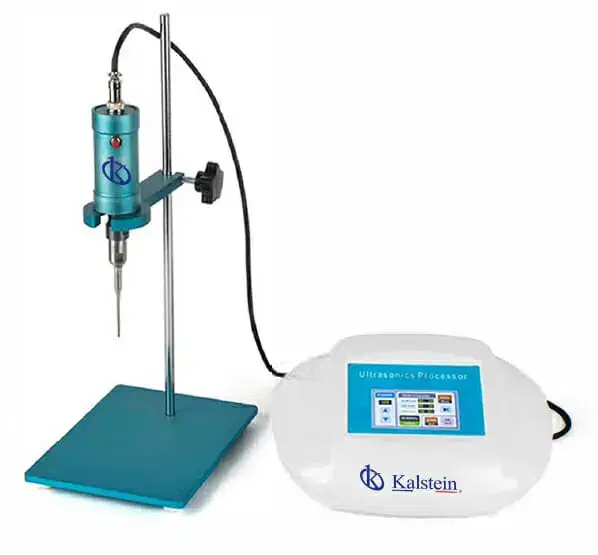
How Energy Sustainability and Reduced Environmental Footprint Shape Ultrasonic Homogenizers
In an era where sustainability is paramount, the role of laboratory equipment in reducing environmental impact is more critical than ever. Ultrasonic homogenizers, known for their efficiency in sample processing through cavitation, now face scrutiny regarding their energy consumption and ecological footprint. This article delves into how ultrasonic homogenizers can not only optimize laboratory processes but also contribute to sustainable practices.
Understanding Ultrasonic Homogenizers
Ultrasonic homogenizers are versatile instruments that utilize high-frequency sound waves to create cavitation bubbles in liquids. When these bubbles collapse, they generate intense pressure and temperature changes, effectively homogenizing, emulsifying, or dispersing materials. With the increasing focus on sustainability, analyzing their energy use and overall environmental impact has become essential.
Energy Consumption and Efficiency
One of the primary metrics for evaluating the environmental impact of ultrasonic homogenizers is their energy consumption. Models like the YR05829 and YR05830 showcase a range of ultrasonic power settings (5-150 W for the former and 5-250 W for the latter), allowing laboratories to adjust energy use based on specific applications. This adaptability can lead to significant energy savings when compared to other homogenization methods.
Energy Consumption Metrics
| Model | Power Consumption (W) | Typical Run Time (min) | Energy Used (kWh) |
|---|---|---|---|
| YR05829 | 150 | 30 | 0.075 |
| YR05830 | 250 | 30 | 0.125 |
| YR05831 | 400 | 30 | 0.2 |
The above table illustrates energy consumption across different models when operated for typical durations. The ability to adjust power outputs significantly affects overall energy use, making it crucial for labs to choose models that optimize their processes without excessive energy expenditure.
Comparative Analysis of Ultrasonic Homogenizers
When selecting ultrasonic homogenizers, it's essential to compare models not just on their operational effectiveness but also on their sustainability features. The following comparison table provides insights into various models available in the market:
| Model | Ultrasonic Power (W) | Emulsification Capability (ml) | Price (USD) | Energy Efficiency Rating |
|---|---|---|---|---|
| YR05829 | 150 | 50 | 659.00 | High |
| YR05830 | 250 | 100 | 659.00 | Medium |
| YR05831 | 400 | 300 | 699.00 | Moderate |
| YR05832 | 650 | 500 | 1050.00 | High |
This table highlights critical performance and cost metrics, providing a straightforward overview of how each model contributes to sustainability through energy-efficient designs.
Common Mistakes and How to Avoid Them
Laboratory professionals may encounter several pitfalls when integrating ultrasonic homogenizers into their workflows. Common mistakes include overestimating the power needs for homogenization, leading to unnecessary energy consumption, or neglecting to evaluate the energy efficiency ratings of their equipment.
To avoid these mistakes, professionals should:
- Assess the specific homogenization requirements before selecting a model.
- Review energy consumption data and efficiency ratings to choose models that minimize environmental impact.
- Consider training staff on proper usage techniques to optimize performance and reduce waste.
Frequently Asked Questions
What is the energy footprint of ultrasonic homogenizers in a lab setting?
Understanding the energy footprint of ultrasonic homogenizers is crucial for sustainable laboratory practices. For instance, the YR05829 model consumes about 0.075 kWh during a typical 30-minute operation, making it an efficient choice for labs focused on reducing their energy consumption.
How do ultrasonic homogenizers compare to other homogenization technologies in energy use?
Ultrasonic homogenizers like YR05830 typically use less energy than traditional mechanical homogenizers, especially because they offer adjustable power settings. This flexibility allows laboratories to tailor operations based on specific protocol requirements, resulting in decreased energy usage.
What are the best practices for minimizing energy consumption with ultrasonic homogenizers?
To minimize energy consumption, it's vital to choose efficient models such as the YR05831, which has a moderate energy efficiency rating. Additionally, running the equipment only as needed and adjusting the power settings can help conserve energy during operations.
How do different models of ultrasonic homogenizers impact environmental sustainability?
Models like the YR05832 are designed with energy efficiency in mind, helping laboratories lower their environmental impact. By selecting models that offer high performance with lower energy usage, labs can significantly contribute to sustainability efforts.
What future trends in ultrasonic homogenizers should laboratories watch for?
Future trends may include the development of more energy-efficient models and improved automation features. Innovations focusing on reducing the carbon footprint, such as the YR05831, will likely shape the future of ultrasonic homogenizers in laboratories aiming for sustainability.
How can laboratories measure the ROI of using ultrasonic homogenizers?
Evaluating the ROI of ultrasonic homogenizers involves analyzing costs related to energy consumption and operational efficiency. For instance, the YR05830 model can provide significant savings over time by reducing energy usage, thus offering a favorable return on investment for labs focused on sustainability.
What certifications should laboratories seek for sustainable practices?
Laboratories should look for equipment that meets sustainability certifications such as ENERGY STAR. The YR05829 model exemplifies equipment that aligns with these certifications, ensuring that labs are investing in environmentally responsible technologies.
How do ultrasonic homogenizers contribute to waste reduction in labs?
Ultrasonic homogenizers, such as the YR05831, enable precise sample processing, minimizing waste in reagent consumption. This efficiency leads to less environmental waste overall, aligning with sustainable laboratory practices.
If you are looking for a fusion of innovation and quality, you have come to the right place. At Kalstein, we offer you the luxury of exploring our exclusive catalog of laboratory equipment. We manufacture every device to the highest standards of excellence. Our intuitive and seamless online purchasing channels are designed for your convenience, securing the most competitive prices. Hesitate no longer — we bring science to life, it is time to become part of our community.