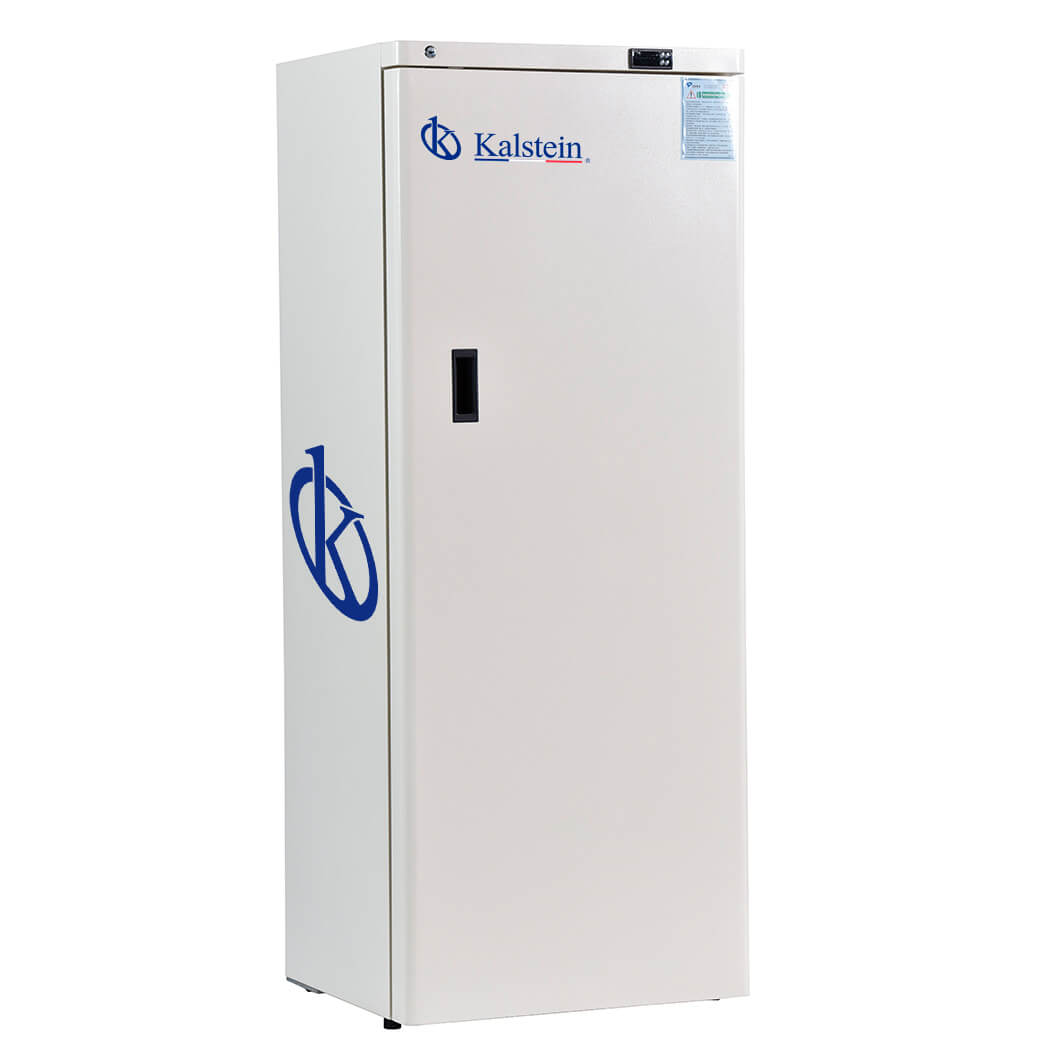
Energy Sustainability and Reducing Environmental Footprint in Upright Freezers
In today's scientific landscape, the importance of energy sustainability and minimizing environmental footprints has become paramount, especially in laboratory settings. Upright freezers play a critical role in various applications, from storing biological samples to preserving medical supplies. This article delves into the various models of upright freezers, examining their energy efficiency, environmental impacts, and how they can be leveraged to meet sustainability goals.
Understanding the Role of Upright Freezers in Energy Sustainability
Upright freezers are essential tools in laboratories and medical facilities, providing necessary storage for sensitive materials. However, their energy consumption can significantly affect both operational costs and the broader environmental footprint. By selecting models designed with energy efficiency in mind, laboratories can reduce their overall energy consumption, thus aligning with sustainability goals.
Evaluating Key Features for Energy Efficiency
To assess the energy efficiency of upright freezers, it is crucial to look at several key features: refrigerant type, insulation materials, and temperature control systems. For instance, models like the YR05097 utilize environmentally friendly refrigerants without CFCs, which are less harmful to the ozone layer. Additionally, high-density polyurethane insulation helps maintain stable temperatures while minimizing energy use. These features collectively contribute to a freezer's overall energy profile.
Comparison of Available Models
| Model | Temperature Range (°C) | Energy Consumption (kWh/24h) | Best For |
|---|---|---|---|
| YR05097 | -10 to -25 | 1.5 | General laboratory use |
| YR05297 | -40 to -86 | 12.8 | Biological sample storage |
| YR05296 | -40 to -86 | 11.2 | Long-term biological preservation |
| YR05295 | -10 to -25 | 12.5 | Hospital and lab use |
| YR05294 | -10 to -25 | 1.0 | Medical storage |
| YR05293 | -10 to -25 | 1.2 | Biomedical applications |
Exploring the Environmental Impact of Freezer Selection
Choosing the right upright freezer model can substantially reduce the environmental impact of laboratory operations. For example, the YR05097 minimizes carbon emissions due to its low energy consumption of just 1.5 kWh per 24 hours. In contrast, models like the YR05297, while offering superior temperature stability, have higher energy requirements, thus increasing operational costs and environmental load. Understanding these trade-offs is essential for making informed decisions.
Common Mistakes and How to Avoid Them
One common mistake laboratories make is prioritizing initial purchase cost over long-term energy savings. It's essential to evaluate total cost of ownership, which includes energy consumption, maintenance, and potential environmental fees. Selecting models with lower energy requirements, such as the YR05294, can prevent higher costs in the long run. Another pitfall is neglecting regular maintenance, which can lead to increased energy usage and decreased efficiency.
Integrating Energy Efficiency into Laboratory Workflow
Lab professionals can incorporate energy efficiency into their workflows by providing training on proper freezer usage and maintenance. Regular checks on seals and gaskets help prevent energy loss, and monitoring temperature settings ensures optimal efficiency. Additionally, integrating monitoring systems that provide real-time data on energy consumption can lead to better decision-making regarding freezer use.
Strategies for Reducing the Carbon Footprint in Freezer Operations
Several strategies can be implemented to reduce the carbon footprint associated with upright freezers. First, choosing models with environmentally friendly refrigerants, such as those used in the YR05097, is a critical step. Second, insulating freezers can significantly reduce energy waste. Implementing a regular maintenance schedule will help ensure optimal performance, further decreasing environmental impact.
Frequently Asked Questions
What are the energy consumption levels of various upright freezer models?
The energy consumption levels vary notably across models. For example, the YR05097 consumes 1.5 kWh per 24 hours, while the YR05297 utilizes 12.8 kWh. Understanding these levels can aid in selecting a model that aligns with your energy sustainability goals.
How can laboratories reduce their environmental impact with upright freezers?
Laboratories can reduce their environmental impact by selecting energy-efficient models like the YR05097 and implementing proper maintenance practices to ensure optimal performance. This approach not only conserves energy but also contributes to lower operational costs.
Which features are critical for energy-efficient upright freezers?
Key features include energy-efficient refrigerants, high-density insulation, and effective temperature control systems. Freezers like the YR05294 and YR05293 exemplify these features, making them suitable for environmentally conscious laboratories.
What is the best upright freezer for long-term biological storage?
For long-term biological storage, the YR05297 is ideal due to its ultra-low temperature capabilities of -86°C and efficient energy usage. This model is specifically designed for preserving sensitive biological materials.
How does the refrigerant type affect the environmental footprint of freezers?
The choice of refrigerant significantly impacts the environmental footprint. Models like the YR05097 use environmentally friendly refrigerants, which contribute to lower greenhouse gas emissions compared to those using traditional refrigerants.
What are the common mistakes when selecting upright freezers?
Common mistakes include overlooking energy efficiency, neglecting maintenance requirements, and focusing solely on initial purchase costs rather than total cost of ownership. To avoid these, labs should evaluate long-term operational efficiency.
How often should upright freezers be maintained for optimal performance?
Regular maintenance should occur at least twice a year to ensure seals are intact, temperature settings are accurate, and energy consumption remains low. This practice helps avoid costly energy waste and operational disruptions.
What is the impact of upright freezers on laboratory energy costs?
Upright freezers can significantly impact energy costs, particularly if energy-efficient models are not selected. For instance, the YR05296 has a higher energy requirement, which may increase operational expenses over time compared to more efficient alternatives.
If you are looking for a fusion of innovation and quality, you have come to the right place. At Kalstein, we offer you the luxury of exploring our exclusive catalog of laboratory equipment. We manufacture every device to the highest standards of excellence. Our intuitive and seamless online purchasing channels are designed for your convenience, securing the most competitive prices. Hesitate no longer — we bring science to life, it is time to become part of our community.