How to Ensure ISO/IEC Compliance in Tissue Embedding Systems
In the realm of histology and pathology, achieving compliance with ISO/IEC standards is critical for laboratories aiming to ensure high-quality results and operational efficiency. This article will delve into the essential ISO/IEC standards relevant to tissue embedding systems, explore specific models, and provide insights on how these systems contribute to meeting regulatory requirements.
Understanding ISO/IEC Regulations for Tissue Embedding Systems
ISO/IEC standards are internationally recognized frameworks that ensure quality and safety in laboratory practices. For tissue embedding systems, compliance with standards such as ISO 17025, which focuses on testing and calibration laboratories, and ISO 15189, which pertains to medical laboratories, is crucial. These standards ensure that laboratories maintain accuracy, reliability, and repeatability in their processes.
ISO 17025 emphasizes the importance of implementing a quality management system (QMS) that addresses traceability, calibration, and equipment maintenance. This is particularly relevant for tissue embedding systems, which require precise temperature control and accurate dispensing of embedding media. Compliance necessitates that these systems are regularly calibrated and maintained according to established protocols.
Key ISO/IEC Standards Impacting Tissue Embedding Systems
Among the critical standards relevant to tissue embedding systems are:
- ISO 17025: Focuses on the general requirements for the competence of testing and calibration laboratories.
- ISO 15189: Specifies requirements for quality and competence in medical laboratories.
- IEC 61010: Covers safety requirements for electrical equipment used in medical laboratories.
- IVDR: Regulates in vitro diagnostic devices, impacting laboratories that utilize tissue embedding systems in diagnostic processes.
Integration of Technology for Compliance
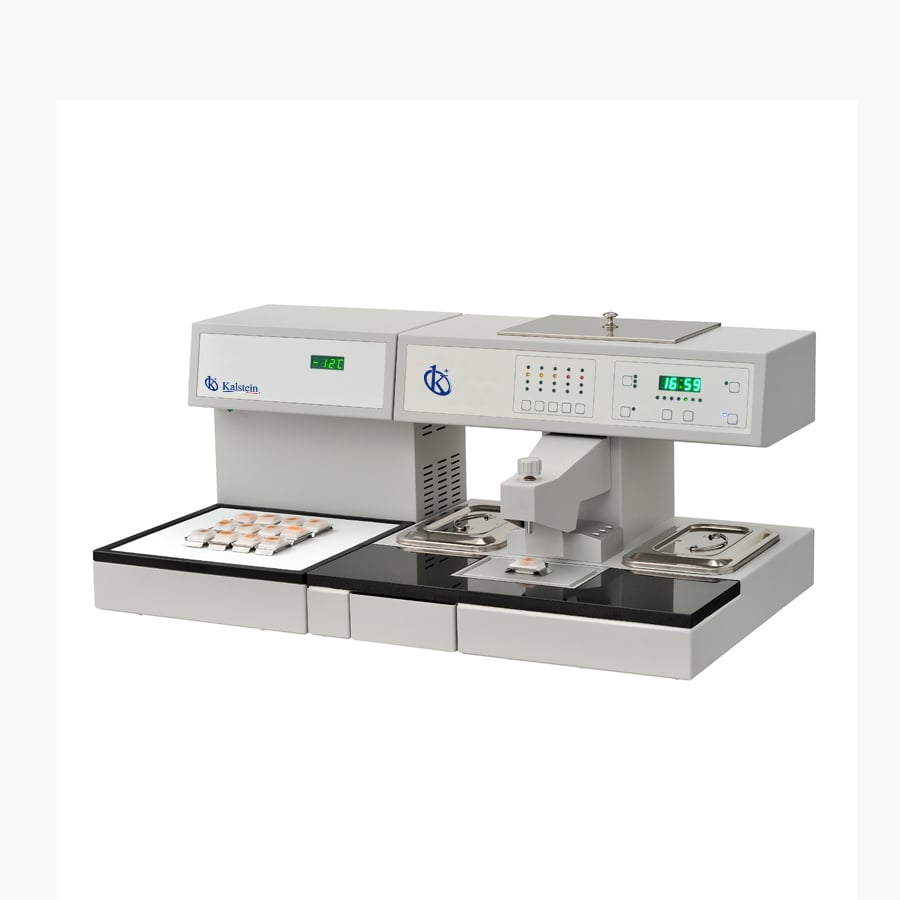
Modern tissue embedding systems, such as the Tissue Inclusion Center YR441 and YR447, are designed to integrate technology that supports compliance with regulatory requirements. These systems are fully programmable, allowing for automatic start and stop functions that align with laboratory schedules, thus enhancing efficiency.
The YR441 model, with its microprocessor-controlled temperature settings ranging from 55 to 70℃, ensures that the embedding media is maintained at optimal temperatures, crucial for preserving tissue integrity and ensuring reliable results. Similarly, the YR447 model features rapid heating elements that reduce energy consumption while maintaining compliance with operational standards.
Comparative Analysis of Tissue Embedding Systems
To effectively assess which tissue embedding system meets your needs while ensuring compliance, a comparative analysis of various models can provide clarity. Below is a summary of relevant specifications for the models discussed in this article:
| Model | Capacity of Paraffin Chamber | Temperature Range | Control Features | Best For |
|---|---|---|---|---|
| YR441 | 3 liters | 55 - 70℃ | Microprocessor controlled | General histology tasks |
| YR447 | 4 liters | RT - 85℃ | Computerized total control | High-throughput laboratories |
| YR439 | 3 liters | 55 - 70℃ | Programmable control panel | Standard embedding procedures |
| YR445 | 4 liters | Ambient - 85℃ | Intuitive control | Versatile lab setups |
| YR439-1 | >6 liters | TA - 85℃ | Full program control | Large volume processing |
| YR440B | N/A | 0 to -20℃ | Digital temperature display | Freezing biological samples |
Common Mistakes and How to Avoid Them
In the pursuit of ISO/IEC compliance, laboratories often encounter pitfalls that can compromise their efforts. Common mistakes include inadequate documentation, failure to calibrate equipment regularly, and neglecting staff training on compliance standards.
One effective strategy to avoid these mistakes includes establishing a comprehensive documentation system that captures all calibration records, maintenance logs, and training sessions. Regular audits can also help identify areas needing improvement, ensuring that all personnel are well-informed of relevant ISO/IEC requirements.
Frequently Asked Questions
What are the key ISO standards for tissue embedding systems in laboratories?
The key ISO standards for tissue embedding systems include ISO 17025, which outlines requirements for the competence of testing laboratories, and ISO 15189, which focuses on quality in medical laboratories. These standards are essential for ensuring accurate and reliable results.
How do I ensure compliance with ISO 17025 in my tissue embedding lab?
To ensure compliance with ISO 17025, implement a quality management system that includes regular calibration of equipment, such as the Tissue Inclusion Center YR441, which features microprocessor-controlled temperature regulation to maintain precise conditions.
What are the benefits of using programmable tissue embedding systems?
Programmable tissue embedding systems, like the YR447, offer total control and flexibility, allowing automatic operation according to laboratory schedules. This enhances efficiency and helps maintain compliance with ISO/IEC requirements.
Can tissue embedding systems support traceability for compliance?
Yes, tissue embedding systems such as the YR445 are designed to support traceability by allowing detailed record-keeping for all operational parameters. This is crucial for meeting ISO 17025 requirements.
How often should tissue embedding systems be calibrated for ISO compliance?
Calibration frequency for tissue embedding systems should follow the manufacturer’s recommendations and ISO 17025 guidelines, typically at least annually, to ensure consistent performance and compliance.
What is the importance of staff training for ISO compliance in laboratories?
Staff training is vital to ensure that all personnel understand the ISO/IEC standards and operational procedures. Regular training sessions can enhance compliance efforts and prevent costly mistakes in laboratory operations.
Which tissue embedding system is best for high-throughput laboratories?
The YR447 is ideal for high-throughput laboratories due to its large capacity and rapid heating elements, ensuring compliance with ISO standards while improving efficiency in tissue embedding processes.
How does the YR440B support cooling requirements in tissue processing?
The YR440B tissue freezer, utilizing environmentally friendly refrigerants, provides precise cooling from 0 to -20℃, ensuring that biological samples are preserved effectively, thereby supporting compliance with laboratory standards.
If you are looking for a fusion of innovation and quality, you have come to the right place. At Kalstein, we offer you the luxury of exploring our exclusive catalog of laboratory equipment. We manufacture every device to the highest standards of excellence. Our intuitive and seamless online purchasing channels are designed for your convenience, securing the most competitive prices. Hesitate no longer — we bring science to life, it is time to become part of our community.