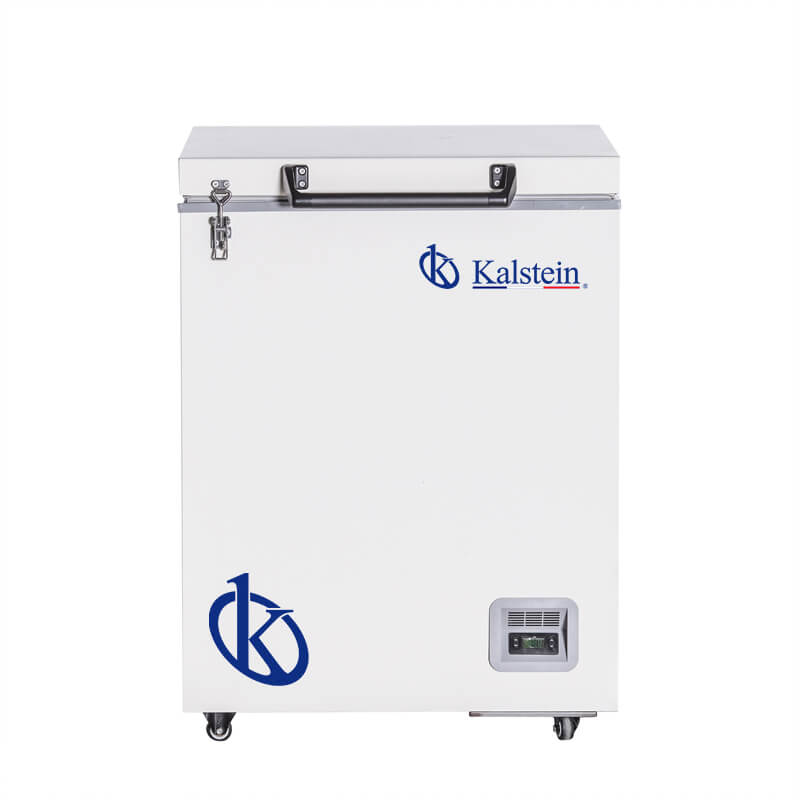
Ensuring Biosafety and Safe Operator Handling in Chest Freezers
Chest freezers play a critical role in laboratory environments, particularly in the safe storage of sensitive biological materials. This article delves into the essential biosafety protocols and best practices for safe operator handling of chest freezers, focusing on the importance of maintaining safe working conditions and compliance with relevant standards.
Understanding Biosafety in Laboratory Environments
Biosafety refers to the practices that ensure the safety of laboratory workers and the environment when handling biological materials. It is crucial for laboratories, especially those dealing with potentially hazardous materials. Standard practices involve assessing risks associated with the biological agents used and implementing measures to mitigate these risks. The significance of biosafety is underscored in laboratories utilizing chest freezers to store biological samples.
Key Biosafety Protocols for Chest Freezers
Implementing biosafety protocols is paramount when using chest freezers. Protocols include proper labeling of samples, regular monitoring of temperature settings, and maintaining an organized storage system. It is important to ensure that there is minimal disruption to the freezer's environment when opening doors and retrieving materials.
Safe Operator Handling Practices
Operators should be trained in safe handling techniques to prevent accidents and contamination. Proper personal protective equipment (PPE), including gloves and lab coats, should be worn at all times. Operators must also be made aware of emergency protocols in case of freezer malfunction or accidental exposure to hazardous materials.
Comparison of Available Models
| Model | Temperature Range (°C) | Cooling Method | Power Consumption (kWh/24h) | Best for |
|---|---|---|---|---|
| YR05102 | -10 to -40 | Direct Cooling | 1.65 | General Laboratory Use |
| YR05103 | -10 to -40 | Direct Cooling | 1.68 | Research Facilities |
| YR05104 | -20 to -40 | Direct Cooling | 3.45 | Biological Sample Storage |
| YR05314 | -40 to -86 | Direct Cooling | 11.5 | Ultra-Low Temperature Applications |
| YR05313 | -40 to -86 | Direct Cooling | 3.8 | Small Laboratory Spaces |
| YR05315 | -25 to -60 | Direct Cooling | 3.2 | Biomedical Applications |
Common Mistakes and How to Avoid Them
One common mistake in laboratory settings is overlooking regular maintenance on chest freezers. This can lead to temperature fluctuations and a risk of sample degradation. Another mistake is improper training of operators, which can result in accidents or contamination. Regular training sessions and maintenance checks are crucial to avoid these pitfalls.
FAQs
What biosafety protocols are essential for using chest freezers in laboratories?
Essential protocols include proper labeling, monitoring temperature settings, and ensuring PPE compliance. Models like YR05314 with ultra-low temperature capabilities must be correctly monitored to adhere to these protocols for safe handling.
How can operators ensure safe handling of biological materials in chest freezers?
Operators should always wear appropriate PPE and follow standard operating procedures for material retrieval. Using models such as YR05313 helps maintain optimal conditions, reducing risks associated with operator handling.
What training is necessary for laboratory personnel using chest freezers?
Training should cover equipment operation, emergency protocols, and biosafety procedures. Knowledge of specific models like YR05102 can enhance understanding of safe practices tailored to the equipment used.
How often should chest freezers be maintained for optimal performance?
Chest freezers should undergo maintenance checks at least quarterly. Regular checks ensure that models like YR05103 function correctly, helping maintain the required temperatures for sample integrity.
Which chest freezer model is best for ultra-low temperature storage?
The YR05314 model is designed for ultra-low temperature applications, reaching temperatures as low as -86°C. This is ideal for laboratories needing to store sensitive biological samples safely.
Are there specific guidelines for training on the use of chest freezers?
Yes, training should include operational procedures, emergency protocols, and maintenance practices specific to the model used, such as the YR05315, which requires understanding its unique temperature control systems.
What safety features should be considered in chest freezers?
Look for models with advanced safety features like alarms for temperature deviations and secure door locks. The YR05314 includes safety alerts for maintaining safe operating conditions to protect stored materials.
How do temperature fluctuations affect laboratory samples stored in chest freezers?
Temperature fluctuations can lead to sample degradation or contamination. Models like YR05104 are designed to maintain stable temperatures, crucial for preserving the integrity of sensitive biological materials.
If you are looking for a fusion of innovation and quality, you have come to the right place. At Kalstein, we offer you the luxury of exploring our exclusive catalog of laboratory equipment. We manufacture every device to the highest standards of excellence. Our intuitive and seamless online purchasing channels are designed for your convenience, securing the most competitive prices. Hesitate no longer — we bring science to life, it is time to become part of our community.