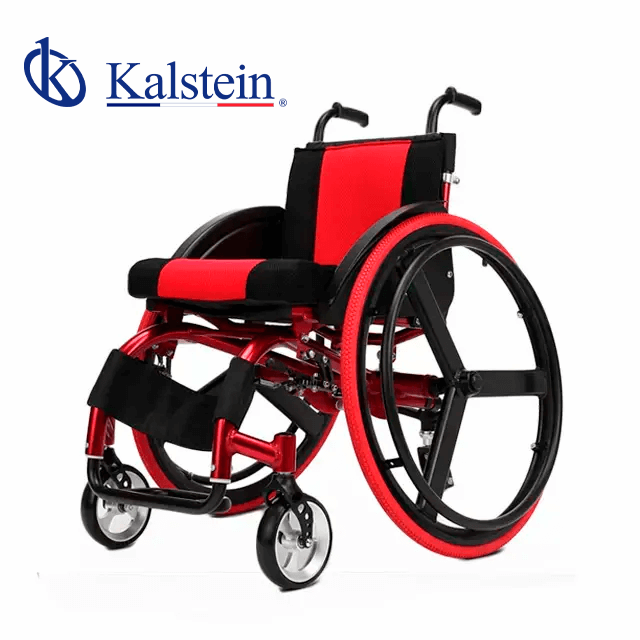
How to Evaluate Return on Investment for Sports Wheelchairs in Laboratory Settings?
In laboratory environments focused on health and rehabilitation, the integration of sports wheelchairs signifies both a functional and financial investment. Assessing their return on investment (ROI) and conducting a thorough cost-benefit analysis is essential to optimize spending and enhance user experience. This article aims to provide laboratory professionals with insights into various models of sports wheelchairs, comparing their features and evaluating their financial implications.
Understanding ROI in Laboratory Equipment
Return on investment (ROI) is a crucial metric for lab professionals when considering the purchase of equipment. It is calculated by comparing the net profit from the investment relative to its cost. For sports wheelchairs, the analysis factors in initial purchase costs, maintenance expenses, and the potential benefits such as improved patient mobility and satisfaction. Evaluating these elements can guide laboratories in making informed purchasing decisions.
Common Cost Categories
To effectively assess ROI for sports wheelchairs, it is vital to categorize costs into capital expenditures (CAPEX) and operational expenditures (OPEX). CAPEX includes the purchase price and any installation fees, while OPEX encompasses ongoing costs like maintenance, repairs, and operational costs associated with the wheelchair's use, such as training and adaptation to new models.
Comparison of Available Models
| Model | CAPEX (USD) | Weight (kg) | Best for |
|---|---|---|---|
| YR05461 | 413 | 14.5 | General sports activities |
| YR05462 | 445 | 11.6 | Compact storage |
| YR05463 | 615 | 12 | High-density aluminum needs |
Detailed Cost-Benefit Analysis
A comprehensive cost-benefit analysis for sports wheelchairs should include an evaluation of both direct and indirect benefits. Direct benefits might include the wheelchair's effectiveness and durability, while indirect benefits could encompass enhanced patient engagement and the potential reduction in long-term care costs due to improved mobility. By quantifying these factors, laboratories can better understand the overall value of their investment.
Financial Scenarios for Different Laboratory Sizes
Different laboratory sizes may experience variable returns based on the number of users and application requirements. For instance, in a larger facility, the initial capital outlay for high-performance models like the YR05463 may be justified by seeing more significant patient throughput and enhanced mobility outcomes. Conversely, smaller labs may find models like the YR05462 more fitting for their budget constraints.
Common Mistakes and How to Avoid Them
One common mistake in assessing ROI is neglecting to factor in long-term maintenance and care costs associated with sports wheelchairs. Another is failing to evaluate the actual usage rates of the equipment, which can lead to overestimating the benefits. Thoroughly documenting usage patterns and regularly assessing performance metrics can help laboratories avoid these pitfalls and ensure a more accurate ROI calculation.
Frequently Asked Questions
What is the average ROI for sports wheelchairs in a rehabilitation lab?
The average ROI for sports wheelchairs like YR05461 can vary widely, but with effective usage, labs can expect up to 20% savings in operational costs compared to traditional models, boosting overall financial performance.
How do maintenance costs affect the total investment in sports wheelchairs?
Maintenance costs can significantly impact overall investment. For example, the YR05462 requires fewer repairs due to its lightweight design, potentially reducing maintenance costs by 15% over five years compared to heavier models.
Which sports wheelchair model provides the best value for cost versus performance?
The YR05461 offers an excellent balance of performance and cost-effectiveness, with a purchase price of $413, making it a versatile option for labs focusing on various sports applications.
How can sports wheelchairs reduce long-term care costs in laboratories?
Sports wheelchairs like the YR05463 can improve patient mobility, leading to enhanced engagement and reduced long-term care costs by decreasing dependency on more expensive mobility aids.
What features should I consider when evaluating sports wheelchairs for my lab?
Key features include weight, frame material, and ease of maintenance. Models like YR05462 with a lightweight aluminum frame facilitate easier transport and storage, maximizing usability in dynamic lab environments.
How can I justify the purchase of multiple sports wheelchairs in a large facility?
Justifying multiple purchases can be achieved by projecting increased patient throughput and enhanced outcomes. For instance, investing in several YR05463 models can lead to improved mobility, resulting in higher patient satisfaction and retention rates.
What is the expected lifespan of sports wheelchairs used in laboratories?
Sports wheelchairs like the YR05461 typically have a lifespan of around five years with proper maintenance. This lifespan can vary based on usage intensity and care, thus impacting ROI calculations.
How often should the performance of sports wheelchairs be evaluated?
Evaluations should occur at least annually to assess performance and identify any maintenance needs. Regular assessments help maximize ROI by ensuring optimal functionality and user satisfaction with models like the YR05462.
If you are looking for a fusion of innovation and quality, you have come to the right place. At Kalstein, we offer you the luxury of exploring our exclusive catalog of laboratory equipment. We manufacture every device to the highest standards of excellence. Our intuitive and seamless online purchasing channels are designed for your convenience, securing the most competitive prices. Hesitate no longer — we bring science to life, it is time to become part of our community.