High Voltage Power Supply: Common Mistakes and How to Avoid Them in Daily Operation 2026
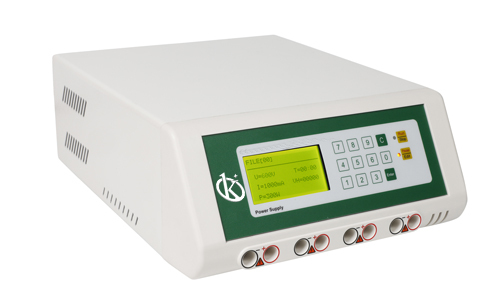
High Voltage Power Supplies (HVPS) are critical instruments in various laboratory settings, providing the necessary power for a range of applications. However, improper usage can lead to errors that compromise results and equipment integrity. In this article, we will explore the common mistakes associated with HVPS operation and provide practical guidance for avoiding them.
What is it used for in 2026
In 2026, high voltage power supplies are widely used in laboratories for applications including electrophoresis, ion implantation, and various types of spectroscopy. They are essential for experiments requiring precise voltage and current control. HVPS units enable researchers to conduct experiments on biological samples, materials science, and semiconductor processing, making them indispensable tools for scientific progress.
History and evolution of the technology
The technology behind high voltage power supplies has evolved significantly since their inception. Early versions were bulky and less efficient, often requiring manual tuning and adjustment. Over the decades, advancements in microprocessor technology have led to the development of more compact, automated units with touch controls and programmable functions, such as those seen in models like YR03409, YR03408, and others. These advancements not only enhance usability but also improve reliability and accuracy in laboratory settings.
How to use it step by step
Using a high voltage power supply effectively requires understanding its components and operational procedures. Here are the steps:
- Familiarize yourself with the user manual: Each model has specific features and operational guidelines.
- Set up the power supply: Connect the output leads to your experimental apparatus following the manufacturer's instructions.
- Adjust your settings: Use the touch controls to set the desired voltage, current, and timing parameters.
- Conduct safety checks: Ensure that all connections are secure and that there are no exposed wires.
- Start the device: Engage the power supply and monitor the output values on the display.
- Document observations: Record any changes in performance or unexpected output during experiments.
Best techniques and protocols
Implementing best practices in using HVPS can mitigate errors and enhance operational efficiency. Here are some protocols:
- Always calibrate your equipment before beginning experiments.
- Use surge protectors to safeguard against fluctuations in power supply.
- Regularly check and replace worn-out cables and connectors.
- Establish a maintenance schedule to ensure ongoing performance.
Practical applications by laboratory type
Different laboratories utilize high voltage power supplies for various applications:
- Biological Laboratories: Used for electrophoresis in DNA analysis and protein separation.
- Material Science Labs: Employed in studies involving electrical properties of materials.
- Semiconductor Fabrication: Essential for ion implantation processes during chip manufacturing.
Regulations, standards and certifications
Compliance with regulations is crucial when operating high voltage power supplies. Laboratories must adhere to standards such as:
- ISO 9001 for quality management systems.
- IEC 61010 for safety requirements for electrical equipment.
- UL certification which ensures equipment safety and performance standards.
Comparison with alternative technologies
High voltage power supplies have several alternatives, such as batteries and solar-powered systems. However, these alternatives may not provide the same level of precision and control necessary for laboratory settings. HVPS offer greater voltage ranges and programmable features that are critical in many high-stakes experiments.
Comparison of available models
| Model | Best for | Key specs | Recommended use case |
|---|---|---|---|
| YR03409 | Electrophoresis | Output: 20–3000 V, 1–200 mA | Advanced experiments requiring multi-method support |
| YR03408 | High-precision applications | Output: 20–5000 V, 1–200 mA | Complex sequencing and large setups |
| YR03405 | General laboratory use | Output: 10–600 V, 1–500 mA | Standard laboratory experiments |
| YR03406 | Medium-scale research | Output: 20–1600 V, 1–100 mA | Electrophoresis and related applications |
| YR03407 | High capacity setups | Output: 20–3000 V, 1–400 mA | Large-scale electrophoresis |
Common mistakes and how to avoid them
Laboratory personnel may encounter several common mistakes when using high voltage power supplies. Here are some identified issues and solutions:
- Incorrect voltage settings: Always double-check settings before starting an experiment.
- Failure to calibrate: Regular calibration is essential for accuracy.
- Neglecting safety protocols: Always utilize personal protective equipment and follow safety protocols.
Maintenance, calibration and good practices 2026
To ensure optimal performance and longevity of high voltage power supplies:
- Conduct regular maintenance checks to identify potential issues.
- Calibrate the device according to the manufacturer's specifications.
- Keep the workspace clean to avoid contamination.
Cost-benefit analysis 2026
Investing in high voltage power supplies can yield significant returns in laboratory efficiency and research outcomes. The benefits of enhanced precision, automation, and reliability often outweigh the initial costs, making these devices crucial investments for laboratories aiming for high-quality results.
Frequently asked questions
What are the key features to look for in a high voltage power supply?
When selecting a high voltage power supply, consider features like output voltage range, current capabilities, programmable settings, and safety features such as overload protection.
How do I ensure safe operation of high voltage power supplies?
To ensure safe operation, always follow safety guidelines, use appropriate personal protective equipment, and regularly inspect cables and connections for wear and tear.
Can I use high voltage power supplies for different applications?
Yes, high voltage power supplies are versatile and can be used for various applications, including electrophoresis, spectroscopy, and semiconductor manufacturing, depending on the model specifications.
What should I do if my high voltage power supply shows error messages?
Refer to the user manual for troubleshooting instructions tailored to the specific error message and check connections or settings as indicated.
How often should I calibrate my high voltage power supply?
Calibration frequency depends on usage; however, regular checks every few months or before critical experiments are recommended to ensure accuracy.
Where can I find replacement parts for high voltage power supplies?
Replacement parts can typically be sourced from the manufacturer or authorized distributors. Always ensure compatibility with your specific model.
How can I request a quote for a high voltage power supply?
You can request a quote by contacting your supplier directly or through their online platform, providing details regarding your requirements and specifications needed.
If you are looking for a fusion of innovation and quality, you have come to the right place. At Kalstein, we offer you the luxury of exploring our exclusive catalog of laboratory equipment. We manufacture every device to the highest standards of excellence. Our intuitive and seamless online purchasing channels are designed for your convenience, securing the most competitive prices. Hesitate no longer — we bring science to life, it is time to become part of our community.