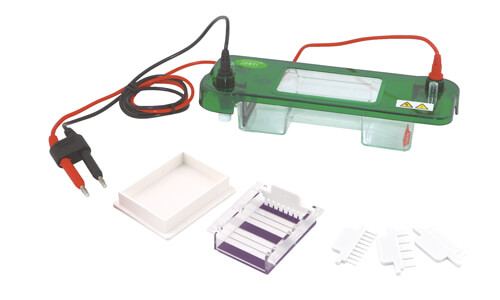
How to Choose Horizontal Electrophoresis Systems for Energy Sustainability
In the realm of laboratory technology, the choice of equipment plays a crucial role not only in research outcomes but also in maintaining energy sustainability and reducing environmental footprints. Horizontal electrophoresis systems are essential for various applications, including DNA and RNA analysis, protein separation, and more. As laboratories increasingly aim to reduce their environmental impact, understanding how to select these systems with a focus on energy efficiency is vital.
Understanding Energy Sustainability in Laboratories
Energy sustainability refers to the efficient use of energy resources while minimizing environmental impact. In laboratory settings, this involves optimizing equipment for energy consumption, utilizing eco-friendly materials, and implementing waste reduction strategies. The move towards sustainable practices in laboratories is critical for compliance with emerging regulations and for fostering a greener world.
Key Features to Consider for Energy Efficiency
When evaluating horizontal electrophoresis systems, consider features that contribute to energy efficiency:
- Power Consumption: Look for models that operate on lower wattage without compromising performance.
- Material Efficiency: Systems constructed with sustainable materials can reduce energy use in manufacturing and disposal.
- Waste Management: Intelligent designs that reduce reagent waste can directly impact energy use associated with production and disposal.
Model Comparisons on Energy Sustainability
To make an informed choice, it's essential to compare the available models based on their energy consumption and environmental impact. Below is a comparison of different horizontal electrophoresis systems:
| Model | Power Consumption (W) | Sample Volume (ml) | Buffer Volume (ml) | Dimensions (mm) | Price (USD) |
|---|---|---|---|---|---|
| YR03415 | 15 | 3, 5, 9 | ~150 | 250 x 90 x 50 | 81.00 |
| YR03416 | 20 | 10, 15 | ~400 | 365 x 105 x 55 | 136.80 |
| YR03417 | 25 | 3, 6, 8, 11, 13, 18, 25 | ~550 | 300 x 160 x 75 | 183.00 |
| YR03418 | 30 | 1, 2, 3, 6, 8, 14 | ~900 | 390 x 187 x 63 | 201.00 |
| YR03419 | 35 | 3, 5, 10, 15 | ~600 | 305 x 152 x 80 | 201.00 |
| YR03420 | 40 | 17, 22, 36, 44 | ~1,800 | 397 x 230 x 93 | 330.60 |
Common Mistakes and How to Avoid Them
When selecting horizontal electrophoresis systems, laboratories can make common mistakes that lead to inefficiencies:
- Neglecting Energy Metrics: Always review power consumption ratings to ensure they align with your sustainability goals.
- Ignoring Sample Requirements: Ensure the model can handle the volume and type of samples you plan to use.
- Overlooking Maintenance Needs: Regular maintenance of systems can prevent energy waste due to inefficiencies.
Frequently Asked Questions
How can horizontal electrophoresis systems reduce environmental impact in labs?
Horizontal electrophoresis systems like YR03415 are designed for reduced power consumption and efficient use of reagents, contributing to lower environmental impact by minimizing waste and energy use.
What features should I look for in energy-efficient horizontal electrophoresis systems?
Look for models with low power consumption ratings, minimal buffer requirements, and sustainable material construction. For example, models like YR03416 utilize less energy while providing robust performance.
Which horizontal electrophoresis model is best for reducing energy costs?
The YR03415 model is one of the best options for minimizing energy costs, with a power consumption of just 15 watts, making it ideal for sustainable laboratory practices.
How do horizontal electrophoresis systems impact overall lab energy efficiency?
Systems like YR03420 can significantly impact lab energy efficiency by utilizing less energy per run and reducing waste, which aligns with sustainability goals.
What is the expected lifespan of horizontal electrophoresis systems?
The expected lifespan for models like YR03417 is typically around 5 to 10 years, depending on usage and maintenance, which plays a significant role in long-term sustainability.
How much energy do horizontal electrophoresis systems consume during operation?
Energy consumption varies by model; for instance, the YR03418 system operates at 30 watts, which is crucial for labs aiming to reduce their energy footprint.
Are there any industry standards for energy efficiency in electrophoresis systems?
Yes, many laboratories follow ISO standards that encourage energy efficiency and sustainable practices. Models like YR03419 are designed to comply with such standards.
What are the maintenance practices for ensuring energy efficiency in horizontal electrophoresis systems?
Regular cleaning and calibration are essential to maintaining energy efficiency. Using systems like YR03420 ensures minimized downtime and energy waste.
If you are looking for a fusion of innovation and quality, you have come to the right place. At Kalstein, we offer you the luxury of exploring our exclusive catalog of laboratory equipment. We manufacture every device to the highest standards of excellence. Our intuitive and seamless online purchasing channels are designed for your convenience, securing the most competitive prices. Hesitate no longer — we bring science to life, it is time to become part of our community.