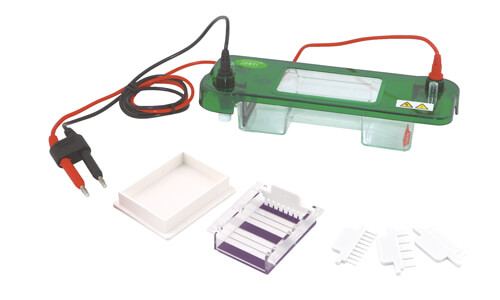
How to utilize horizontal electrophoresis systems in university research projects?
Horizontal electrophoresis has emerged as a pivotal technique in academic research, offering robust solutions for various applications. This article will delve into the specific use cases of horizontal electrophoresis systems in university research projects, providing insights into model comparisons and best practices for effective implementation.
Understanding Horizontal Electrophoresis in Academic Research
Horizontal electrophoresis systems serve as fundamental tools in molecular biology, biochemistry, and genetics research. These systems empower researchers to separate and analyze nucleic acids or proteins effectively. In a university setting, where diverse project requirements exist, the flexibility and versatility of horizontal electrophoresis models become critical.
These systems accommodate various gel sizes and sample volumes, making them suitable for experiments ranging from undergraduate practicals to advanced graduate research. Each model in the horizontal electrophoresis category brings unique specifications tailored to different research needs.
Key Advantages of Horizontal Electrophoresis in Research Projects
One of the primary advantages of horizontal electrophoresis systems is their user-friendly design, which allows for ease of use in educational environments. This accessibility encourages student engagement and hands-on learning experiences. Furthermore, the ability to handle multiple sample formats enhances productivity in research labs, as multiple experiments can be conducted concurrently.
Another significant benefit is the capacity for reproducibility in experiments. With consistent results, students and researchers can confidently draw conclusions and support their findings with reliable data. This is especially vital in grant proposals where replicability is critical to securing funding.
Comparison of Available Models
| Model | Gel Size (WxL) | Sample Volume | Buffer Volume | Dimensions (LxWxH) | Net Weight | Best for |
|---|---|---|---|---|---|---|
| YR03415 | 186x205mm | 3, 5, 9 | ~150 ml | 250 x 90 x 50 mm | 0.4 Kg | Basic experiments in DNA and RNA analysis |
| YR03416 | 78x100mm | 10, 15 | ~400 ml | 365 x 105 x 55 mm | 0.6 Kg | Multi-sample analysis |
| YR03417 | 60x60mm; 120x60mm; 60x120mm; 120x120mm | 3, 6, 8, 11, 13, 18, 25 | ~550 ml | 300 x 160 x 75 mm | 1.1 Kg | Advanced protein separation |
| YR03418 | 140x140mm; 140x70mm; 70x70mm | 1, 2, 3, 6, 14, 8, 17, 13, 29 | ~900 ml | 390 x 187 x 63 mm | 2.0 Kg | High-throughput assays |
| YR03419 | 130x130mm; 78x100mm; 48x75mm | 3, 5, 10, 15, 13, 26 | ~600 ml | 305 x 152 x 80 mm | 1.7 Kg | Diverse experimental setups |
| YR03420 | 200x200mm; 200x150mm; 200x100mm | 17, 22, 36, 44 | ~1,800 ml | 397 x 230 x 93 mm | 3.3 Kg | Large-scale DNA analysis |
Common Mistakes and How to Avoid Them
In academic environments, common mistakes when using horizontal electrophoresis systems include improper gel preparation and sample loading techniques. These errors can result in distorted bands and inaccurate results. To avoid these pitfalls, it's crucial to follow established protocols meticulously and to ensure all equipment is calibrated correctly. Providing training sessions for students can also mitigate these issues.
Another frequent error is neglecting to optimize buffer conditions. Each model has specific requirements, and failing to adhere to these can lead to suboptimal results. Always consult the technical specifications for the model being used to ensure proper setup.
How Models Align with Research Needs
Each horizontal electrophoresis model offers distinct advantages that cater to varying research needs in university settings. For instance, the YR03418 model, with its capacity for high-throughput assays, is ideal for projects involving large sample sizes and extensive data collection. On the other hand, the YR03415 model is more suited for basic educational experiments, providing a cost-effective solution for introductory courses.
Understanding the specifications and best applications of each model allows researchers and educators to make informed decisions when choosing the appropriate equipment for their projects.
Frequently Asked Questions
How does the YR03416 model compare for undergraduate and graduate research projects?
The YR03416 model, with its compact size and efficient sample volume handling (10, 15), is highly suitable for both undergraduate and graduate research projects. Its versatility in accommodating a variety of gel sizes makes it a practical choice for educational settings.
What are the specific advantages of the YR03418 for academic project scalability?
The YR03418 model is designed for high-throughput assays, essential for scalability in academic projects. Its capacity to handle multiple samples simultaneously and a buffer volume of ~900 ml makes it ideal for large experiments, supporting extensive data collection.
How can the YR03415 model enhance beginner research learning experiences?
The YR03415 model enhances beginner research learning by providing a simple and effective platform for conducting DNA and RNA analysis. Its manageable size and sample volume options of 3, 5, and 9 make it an excellent introductory tool for students new to electrophoresis.
What are the common errors when using horizontal electrophoresis models like YR03419?
Common errors when using the YR03419 model include improper gel preparation and incorrect loading techniques. Ensuring adherence to established protocols and conducting training sessions for users can significantly reduce these mistakes.
Which horizontal electrophoresis model is best for advanced protein separation?
The YR03417 model is best for advanced protein separation, with its diverse gel size options and sample volume flexibility. This model supports complex experiments that require precise and reliable results.
How does the buffer volume affect the performance of the YR03420 model?
Buffer volume significantly impacts the performance of the YR03420 model. With a buffer capacity of ~1,800 ml, it can accommodate larger experiments and enhance the separation efficiency of samples, crucial for comprehensive analysis in larger studies.
What role does the YR03416 model play in multi-user academic environments?
The YR03416 model plays a crucial role in multi-user academic environments by allowing simultaneous experiments due to its efficient sample handling. Its compact design and flexibility cater to diverse research needs, making it a valuable asset in shared laboratory spaces.
How can proper training mitigate common mistakes with horizontal electrophoresis systems?
Proper training helps mitigate common mistakes with horizontal electrophoresis systems by equipping users with the knowledge needed to operate the equipment effectively. Understanding specific protocols and best practices for models like YR03418 ensures accurate results and enhances learning experiences.
If you are looking for a fusion of innovation and quality, you have come to the right place. At Kalstein, we offer you the luxury of exploring our exclusive catalog of laboratory equipment. We manufacture every device to the highest standards of excellence. Our intuitive and seamless online purchasing channels are designed for your convenience, securing the most competitive prices. Hesitate no longer — we bring science to life, it is time to become part of our community.