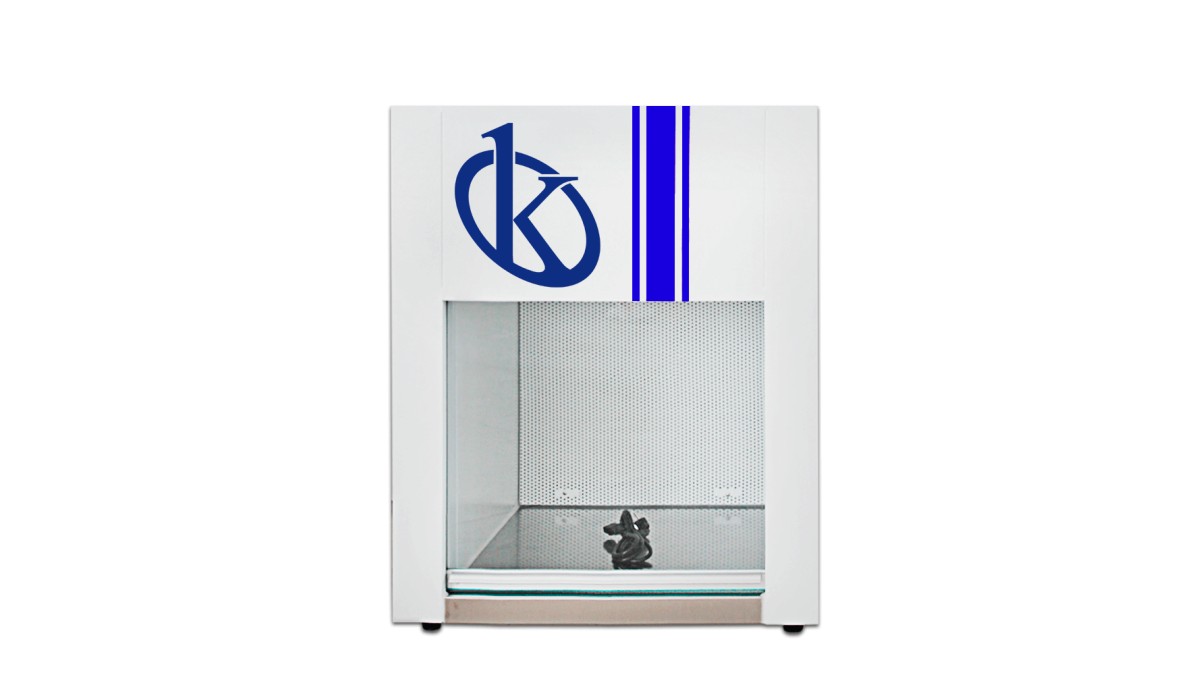
Horizontal Laminar Flow Clean Benches: Common Mistakes and How to Avoid Them 2026
What is it used for in 2026
Horizontal Laminar Flow Clean Benches are designed to provide a contamination-free environment in laboratories, ensuring that sensitive experiments and processes are not compromised. These clean benches are essential for applications in microbiology, molecular biology, and clinical laboratories where aseptic conditions are paramount. By directing clean air over the workspace, they minimize exposure to airborne contaminants, making them ideal for cell cultures, pharmaceutical preparations, and other sensitive tasks.
History and evolution of the technology
The development of clean bench technology began in the mid-20th century, driven by the need for sterile environments in laboratories and hospitals. Over the decades, advancements in materials and air filtration systems have significantly enhanced the efficiency and reliability of these units. Initially equipped with basic filtration, modern horizontal laminar flow benches now incorporate high-efficiency particulate air (HEPA) filters, advanced air circulation designs, and user-friendly controls, providing more effective protection against contamination.
How to use it step by step
- Prepare the workspace by ensuring the clean bench is free of debris and contaminants.
- Turn on the clean bench at least 15 minutes prior to use to allow for air circulation and filtering.
- Set up the necessary equipment and materials inside the clean bench while avoiding overloading the workspace.
- Always operate the bench with the sash at the recommended height to maintain optimal airflow.
- Perform your procedures quickly and efficiently to minimize the time the bench is open and vulnerable to contamination.
- After completing your work, clean the surfaces with appropriate disinfectants before shutting down the bench.
Best techniques and protocols
To maximize the effectiveness of horizontal laminar flow clean benches, laboratory professionals should follow established protocols. These include:
- Regularly checking the airflow and filter efficiency to ensure optimal performance.
- Using sterile tools and materials whenever working within the clean bench.
- Implementing a routine cleaning schedule to keep the workspace and equipment in top condition.
- Training all personnel on proper operating procedures and safety measures to maintain a sterile environment.
Practical applications by laboratory type
Different laboratory types leverage horizontal laminar flow clean benches for various applications:
- Microbiology Labs: For culturing microorganisms and performing sterile preparations.
- Pharmaceutical Labs: Used in the formulation of medications to prevent contamination.
- Research Institutions: For experiments requiring a sterile environment, such as those involving cell lines.
- Clinical Labs: For diagnostic testing involving sensitive biological samples.
Regulations, standards and certifications
Horizontal laminar flow clean benches must meet various regulatory standards to ensure safety and efficiency. These include:
- ISO 14644-1: Standards for cleanroom environments.
- FDA regulations for equipment used in pharmaceutical manufacturing.
- NIH guidelines regarding laboratory practices.
- Local health and safety regulations ensuring compliance with operational protocols.
Comparison with alternative technologies
While horizontal laminar flow clean benches are highly effective, alternative technologies offer different benefits:
- Biosafety Cabinets: Provide protection for personnel and the environment while dealing with hazardous materials.
- Vertical Laminar Flow Cabinets: Offer a different airflow design, which can be more effective for larger equipment.
- Fume Hoods: Used for volatile chemicals, focusing on user safety rather than sterility.
Comparison of available models
| Model | Best for | Key specs | Recommended use case |
|---|---|---|---|
| YR05723 | Small scale laboratory operations | Class 100 cleanliness, 0.25-0.45 m/s airflow | Cell culture and microbiology |
| YR05724 | Medium scale laboratory operations | Class 100 cleanliness, 0.25-0.45 m/s airflow | Pharmaceutical preparations |
| YR05726 | Research labs requiring sterility | Class 100 cleanliness, 0.25-0.45 m/s airflow | Advanced cellular research |
| YR05727 | Large scale operations | Class 100 cleanliness, 0.25-0.45 m/s airflow | Clinical applications |
| YR05728 | Complex applications | Class 100 cleanliness, 0.25-0.45 m/s airflow | Multi-step procedures |
| YR05729 | High-demand laboratory environments | Class 100 cleanliness, 0.25-0.45 m/s airflow | High-throughput applications |
Common mistakes and how to avoid them
Many laboratory professionals encounter challenges when using horizontal laminar flow clean benches. Common mistakes include:
- Overloading the workspace: Avoid placing too many items in the clean bench, as this can disrupt airflow and compromise sterility.
- Neglecting regular maintenance: Regularly check and replace filters to ensure optimal performance.
- Poor airflow management: Always adhere to guidelines for sash height and avoid blocking air vents.
- Inadequate training: Ensure that all users are properly trained on the equipment to prevent contamination risks.
Maintenance, calibration and good practices 2026
To maintain the efficiency of horizontal laminar flow clean benches, follow these best practices:
- Establish a routine cleaning schedule for the work surface and internal components.
- Regularly perform calibration checks to ensure that airflow and filtration meet standards.
- Document all maintenance activities to track performance over time.
- Ensure personnel are trained on hygiene practices while using the equipment.
Cost-benefit analysis 2026
When considering horizontal laminar flow clean benches, it is essential to conduct a cost-benefit analysis:
- Initial Investment: Weigh the purchase costs against long-term benefits of improved sterility and efficiency.
- Operational Costs: Include ongoing maintenance, filter replacements, and energy consumption in your analysis.
- Quality Assurance: Consider the potential cost savings from reduced contamination and increased productivity.
Frequently asked questions
What are the key factors in choosing a horizontal laminar flow clean bench?
When selecting a clean bench, consider the size, airflow specifications, the certifications it meets, and its intended applications within your laboratory environment.
How can I ensure optimal airflow in a clean bench?
Maintain the recommended sash height, avoid cluttering the workspace, and regularly check the air filters for blockages or debris.
What are the common contaminants that a clean bench protects against?
Horizontal laminar flow clean benches protect against airborne particles, dust, and microorganisms that could compromise sensitive experiments.
How often should I perform maintenance on a clean bench?
Establish a routine maintenance schedule, ideally every month, or according to the manufacturer’s guidelines, to ensure continued performance.
Can I use my clean bench for hazardous materials?
No, horizontal laminar flow clean benches are designed for sterile environments and do not provide protection against hazardous chemicals. For such materials, a biosafety cabinet is necessary.
What is the expected lifespan of a clean bench?
The lifespan of a clean bench varies by usage and maintenance but generally ranges from 5 to 10 years with proper care.
Where can I request a quote for purchasing a clean bench?
You can request a quote directly from our sales team for the specific clean bench models that meet your laboratory needs.
If you are looking for a fusion of innovation and quality, you have come to the right place. At Kalstein, we offer you the luxury of exploring our exclusive catalog of laboratory equipment. We manufacture every device to the highest standards of excellence. Our intuitive and seamless online purchasing channels are designed for your convenience, securing the most competitive prices. Hesitate no longer — we bring science to life, it is time to become part of our community.