Industrial Ovens: Best Techniques and Protocols in 2026
As industrial ovens advance in technology, understanding their best practices, applications, and protocols in 2026 becomes essential for laboratory professionals. This guide aims to provide a comprehensive overview of the effective use of industrial ovens, focusing on various operational aspects.
What is it used for in 2026
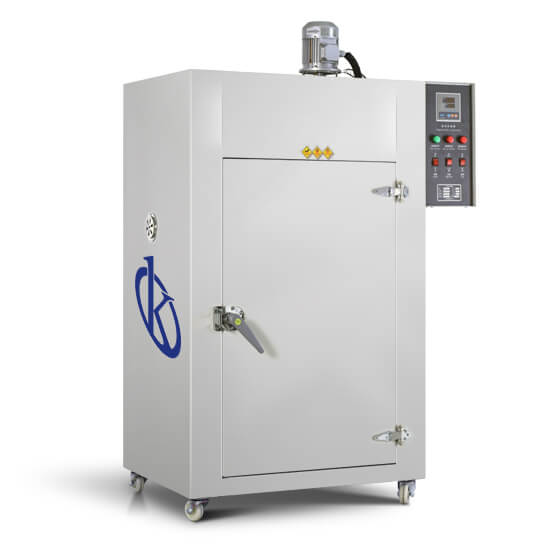
In 2026, industrial ovens play a crucial role in various industries, primarily in product drying and dehydration processes. They are used in electronic manufacturing, metal plating, and batch production settings where consistent temperature control is essential. Ovens such as the Electric Heating Drying Stoves YR05256, YR05257-1, YR05258, and YR05259-1 are equipped with advanced temperature control systems that facilitate uniform heating, making them suitable for a variety of materials and products.
History and evolution of the technology
The technology behind industrial ovens has transformed significantly over the decades. Initially designed for basic heating functions, contemporary models now incorporate sophisticated digital controls and safety features that enhance usability and efficiency. With the integration of microcomputer technology, modern ovens offer precise temperature regulation and improved energy efficiency, adapting to the needs of various industries.
How to use it step by step
Using an industrial oven effectively involves the following steps:
- **Preparation:** Ensure that the oven is clean and free of any previous materials.
- **Setup:** Plug in the oven and set the desired temperature and timer according to the product specifications.
- **Loading:** Place the items to be dried evenly within the chamber to promote uniform heat distribution.
- **Monitoring:** Regularly check the temperature and time display to ensure optimal settings.
- **Completion:** Once the cycle is finished, allow the oven to cool down before unloading the items.
- **Maintenance:** Clean the oven after use to maintain its functionality.
Best techniques and protocols
Adhering to best practices is vital for maximizing the effectiveness of industrial ovens. Some recommended techniques include:
- **Calibrating temperature settings** to ensure accuracy, particularly when drying temperature-sensitive materials.
- **Using heat-resistant materials** for racks and trays to prolong their lifespan and improve safety.
- **Implementing a systematic cleaning schedule** to prevent contamination and maintain the oven’s efficiency.
- **Training operators thoroughly** on equipment usage and safety protocols.
Practical applications by laboratory type
Different laboratories employ industrial ovens in various capacities, including:
- **Electronics Laboratories:** For curing coatings and drying components.
- **Plating Facilities:** For metal component drying post-plating.
- **Research and Development:** For experimental materials that require precise drying conditions.
Regulations, standards and certifications
In 2026, adherence to industry regulations is paramount. Compliance with safety standards such as ISO certifications and CE marking is essential for maintaining quality and safety. Ensuring that ovens meet these standards not only enhances operational credibility but also guarantees safer environments for laboratory personnel.
Comparison with alternative technologies
While industrial ovens are widely used, alternative technologies such as microwave drying and freeze-drying may also be utilized depending on the application. Microwave technology offers faster drying times but may not achieve the same quality of results for certain materials. Freeze-drying, on the other hand, is more effective for sensitive biological products but is often more expensive and complex to operate.
Comparison of available models
| Model | Best for | Key specs | Recommended use case |
|---|---|---|---|
| YR05256-A | Batch processing, industrial drying | 4-6 kW, Temp: RT+5 to 250°C, 300L | Ideal for industrial applications and electronic plating. |
| YR05257-1-A | Heavy-duty drying | 8-12 kW, Temp: RT+5 to 250°C, 864L | Best for larger scale operations in mining and manufacturing. |
| YR05258-SS | Precise temperature control | 4-6 kW, Temp: RT+5 to 250°C, 300L | Used in sensitive electronic applications and batch production. |
| YR05259-1-SS | Industrial scale drying | 8-12 kW, Temp: RT+5 to 250°C, 864L | Suitable for extensive drying processes in large industries. |
Common mistakes and how to avoid them
Laboratory professionals often face challenges when operating industrial ovens. Common mistakes include:
- **Overloading the oven:** This can hinder air circulation and lead to uneven drying.
- **Neglecting calibration:** Failing to calibrate temperature settings may result in subpar drying quality.
- **Inadequate cleaning:** Regular maintenance is essential to avoid contamination and equipment malfunction.
Maintenance, calibration and good practices 2026
To ensure optimal performance, follow these maintenance and calibration practices:
- **Perform regular inspections** to identify any wear or damage.
- **Calibrate temperature readings** frequently, especially before new drying processes.
- **Document usage patterns** to anticipate maintenance needs based on operational hours.
Cost-benefit analysis 2026
Evaluating the cost-benefit ratio of industrial ovens in 2026 involves considering both acquisition costs and operational efficiency. While initial investments may vary, models with advanced features often lead to long-term savings through energy efficiency and reduced downtime. Businesses should analyze their specific needs against the benefits offered by each model to make informed purchasing decisions.
Frequently asked questions
What are the primary safety features to look for in industrial ovens?
Look for features such as double-layer doors, over-temperature protection, and alarms for temperature fluctuations. These ensure safe operation and prevent accidents.
How do I choose the right model for my laboratory?
Consider factors such as the type of materials you will be drying, required temperature ranges, and the volume of products to be processed. Evaluate models based on these criteria.
What is the best way to clean an industrial oven?
Clean using non-abrasive cleaners and ensure all surfaces are free from residues. Regular maintenance schedules help prolong the oven's lifespan.
How frequently should I calibrate the oven?
Calibration should be performed before significant drying processes and periodically throughout regular operation to maintain accuracy.
Can I use industrial ovens for food products?
Yes, but ensure the oven is specifically designed for food processing with appropriate safety and cleanliness standards.
What common issues arise during operation, and how can I solve them?
Common issues include temperature inconsistencies and airflow problems. Regular maintenance and adhering to operational guidelines can help mitigate these issues.
Where can I request a quote for industrial ovens?
You can request a quote through our designated channels for accurate pricing and further information on models.
If you are looking for a fusion of innovation and quality, you have come to the right place. At Kalstein, we offer you the luxury of exploring our exclusive catalog of laboratory equipment. We manufacture every device to the highest standards of excellence. Our intuitive and seamless online purchasing channels are designed for your convenience, securing the most competitive prices. Hesitate no longer — we bring science to life, it is time to become part of our community.