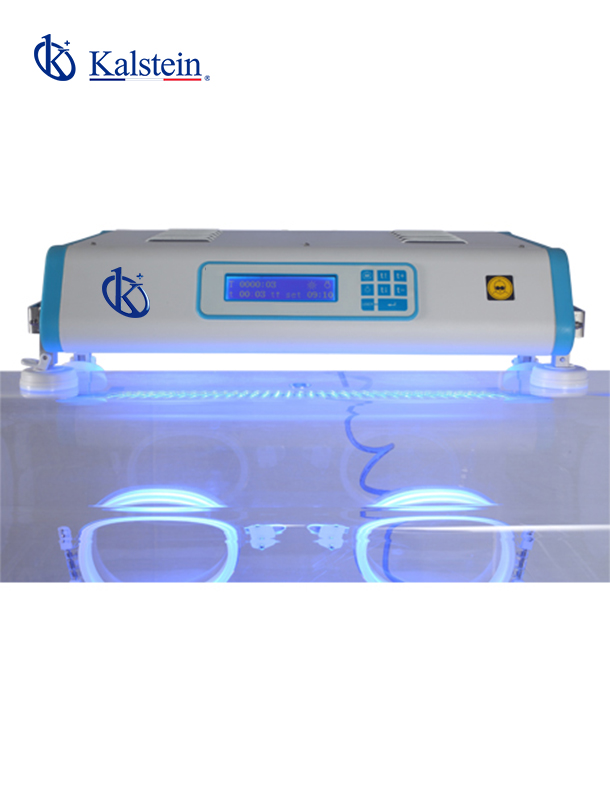
Phototherapy technology has become increasingly important in neonatal care, addressing conditions like neonatal jaundice with precision and efficiency. Among the prominent devices in this field are the Infant Phototherapy Unit YR06218 by Kalstein and the BiliLux LED Phototherapy Light by Dräger. These devices stand out for their unique features and capabilities, catering to hospitals and healthcare providers looking for effective solutions. In this comprehensive comparison, we'll explore both products, examining their specifications to guide informed purchasing decisions.
The Infant Phototherapy Unit YR06218 from Kalstein is engineered to provide top-tier care in neonatal phototherapy. It employs advanced technologies to ensure optimal performance, making it a highly sought-after option in medical facilities. In contrast, the BiliLux LED Phototherapy Light by Dräger focuses on ease of use and high-intensity therapy, bringing its own strengths to the table. Each product presents distinctive aspects that cater to varying needs in neonatal care. By understanding the nuances of each, healthcare professionals can better match equipment with specific patient requirements.
| Features | Infant Phototherapy Unit YR06218 (Kalstein) | BiliLux LED Phototherapy Light (Dräger) |
|---|---|---|
| Light Source | LED Technology | LED Technology |
| Intensity Settings | Adjustable | Adjustable |
| Portability | Yes | Yes |
| Operating Life | Extended | Standard |
| Weight | Lightweight | Lightweight |
| Energy Consumption | Efficient | Efficient |
How They Work
The Kalstein Infant Phototherapy Unit YR06218 operates by emitting precise wavelengths of blue LED light, known to effectively reduce bilirubin levels in newborns. Its design ensures consistent light coverage, vital in treating jaundice. The Dräger BiliLux LED, similarly, uses LED technology but emphasizes modular, user-friendly functionality, making it adaptable in many environments.
What They Are Used For
Both devices serve the primary function of neonatal jaundice treatment. This condition requires effective management to prevent serious complications. Phototherapy units like those from Kalstein and Dräger offer a non-invasive solution by breaking down excess bilirubin, thus reducing the risk of bilirubin-induced neurologic dysfunction (BIND). The main aim is to deliver safe and swift therapeutic intervention.
Types
With phototherapy units, the technology differs mostly in light source and design. Both products in our comparison utilize LED due to its durability and efficiency. Kalstein's emphasis is on extended coverage and customizable intensity, while Dräger focuses on a modular design ideal for various clinical setups.
Market Price
The market price for phototherapy units varies. The Infant Phototherapy Unit YR06218 typically starts from a competitive price point around $1,200. The Dräger BiliLux LED can be priced higher given its brand reputation and modular features, with costs often exceeding $1,500. However, pricing may fluctuate based on regional factors and additional features.
Frequently Asked Questions
What maintenance is required for these phototherapy units?
Routine cleaning and regular maintenance checks are advised to ensure longevity and optimal performance of phototherapy lights.
Are these units effective for severe jaundice?
Both units are designed to handle various levels of jaundice, but severe cases should always be under a medical professional's guidance for tailored treatment plans.
What is the average lifespan of these devices?
LED phototherapy units have a substantial lifespan, often exceeding 20,000 hours of operation, making them a reliable choice for busy medical facilities.
Advantages and Disadvantages
Infant Phototherapy Unit YR06218 (Kalstein) - Advantages include advanced LED technology ensuring extended operating life, efficient energy consumption, and its lightweight, portable design. A potential disadvantage might be the initial setup needed for optimal use. On the other hand, BiliLux LED Phototherapy Light (Dräger) provides ease of use and adaptable design, although its cost and maintenance requirements could be seen as drawbacks when compared to its counterparts.
Product Use in the Field
In practical scenarios, these units are used in neonatal wards, intensive care units, and pediatric clinics. The Kalstein unit offers smooth mobility due to its compact design, which is crucial in space-limited environments. Meanwhile, Dräger’s BiliLux boasts a reputation for integration with existing hospital systems, streamlining patient management.
Recommendations
To maximize these units’ efficiency, ensure they are positioned correctly during treatment to maintain adequate exposure. Regular calibration checks and adherence to manufacturer maintenance guidelines will also prolong device life. For those interested in evaluating the economic and functional benefits, we invite you to experience the efficiency of the Kalstein platform. Discover how the Infant Phototherapy Unit YR06218 stands out by generating a quotation on Kalstein Plus, your gateway to streamlined procurement.
If you are looking for a fusion of innovation and quality, you have come to the right place. At Kalstein, we offer you the luxury of exploring our exclusive catalog of laboratory equipment. We manufacture each device with a level of excellence. Our online shopping channels, intuitive and agile, are designed for your convenience, ensuring the friendliest prices. Do not hesitate, we bring science to life, it is time to be part of our community. https://kalstein.co.nz/product/infant-phototherapy-unit-yr06218/.