How to Effectively Integrate Comprehensive Drug Stability Test Chambers with LIMS for Data Digitalization?
In the rapidly evolving landscape of pharmaceutical research and quality control, the integration of Comprehensive Drug Stability Test Chambers with Laboratory Information Management Systems (LIMS) has become paramount. This integration not only streamlines data management but also enhances compliance with regulatory standards and improves overall operational efficiency. This article delves into the critical aspects of achieving effective integration while exploring the capabilities of various models in the subcategory of Comprehensive Drug Stability Test Chambers.
Understanding the Role of Comprehensive Drug Stability Test Chambers
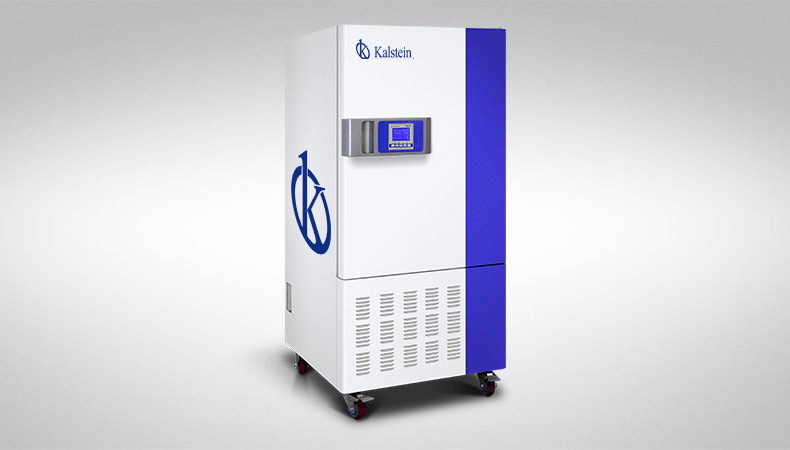
Comprehensive Drug Stability Test Chambers are pivotal in evaluating the stability of pharmaceuticals under controlled environmental conditions. These chambers help assess the effects of temperature, humidity, and light on drug formulations, ensuring that they maintain their efficacy and safety over time. The models YR05354, YR05355, and YR05356 offer various functionalities that cater to different stability testing needs.
Integrating LIMS with Drug Stability Testing
The integration of LIMS with Comprehensive Drug Stability Test Chambers enhances the laboratory's ability to manage data efficiently. Through automated data collection and real-time monitoring, laboratories can ensure that the stability test results are recorded accurately, allowing for better decision-making and traceability. This integration supports compliance with regulatory standards such as ISO 17025, enhancing the reliability of test results.
Key Benefits of LIMS Integration
- Enhanced Data Management: Streamlined workflows and improved accessibility to test data.
- Regulatory Compliance: Assists laboratories in meeting ISO 17025 and other regulatory requirements.
- Real-Time Monitoring: Enables continuous oversight of stability conditions, ensuring consistent testing conditions.
- Improved Reporting: Facilitates automated generation of reports needed for regulatory submissions.
Comparison of Available Models
| Model | Temperature Range (℃) | Humidity Range (% HR) | Lighting Range (LX) | Best for |
|---|---|---|---|---|
| YR05354 | 10~65 (with lighting), 0~60 (without lighting) | 50~90, Fluctuation ±3% | 0~6000, Five adjustable stages | Long-term stability testing of pharmaceuticals |
| YR05355 | 10~65 (with lighting), 0~60 (without lighting) | 50~90, Fluctuation ±3% | 0~6000, Five adjustable stages | Accelerated stability testing for new drug formulations |
| YR05356 | 10~65 (with lighting), 0~60 (without lighting) | 50~90, Fluctuation ±3% | 0~6000, Five adjustable stages | High humidity and light stability testing |
Common Mistakes and How to Avoid Them
When integrating LIMS with Comprehensive Drug Stability Test Chambers, laboratories often encounter pitfalls that can hinder effective data management. Common mistakes include inadequate training on LIMS functionalities, failing to validate integration processes, and neglecting the alignment between chamber settings and LIMS data requirements. To avoid these issues, invest in comprehensive training for staff, develop a robust validation protocol, and ensure clear communication between LIMS and stability testing protocols.
Maximizing Efficiency through Data Digitalization
Data digitalization is key to enhancing laboratory efficiency. By employing LIMS, laboratories can automate routine data entry tasks, ensuring that stability test results are accurately captured and easily accessible. The YR05354 model, for instance, is equipped with advanced features that enable seamless data transfer to LIMS, significantly reducing the risk of human error.
Cost-Benefit Analysis of Implementing LIMS
Implementing LIMS with Comprehensive Drug Stability Test Chambers entails costs but brings significant benefits. A detailed cost-benefit analysis should consider factors such as initial investment in LIMS software, training costs, and potential cost savings from improved data accuracy and compliance. For example, with the YR05355 model, laboratories may reduce time spent on manual data entry by 30%, translating to substantial labor cost reductions.
FAQs
How does LIMS improve the data management of Comprehensive Drug Stability Test Chambers?
LIMS improves data management by automating data entry and facilitating real-time monitoring of test conditions, ensuring that comprehensive records are maintained. The model YR05356, for instance, allows continuous data flow to LIMS, enhancing traceability and compliance.
Which protocols are essential for LIMS integration with drug stability testing chambers?
Essential protocols for LIMS integration include ASTM and HL7, which facilitate data sharing between systems. Using the YR05354 model, laboratories can ensure that these protocols are supported, enhancing overall data integrity and compliance.
What are the key advantages of using the Comprehensive Drug Stability Testing Chamber YR05355?
The YR05355 offers significant advantages, including precise temperature control and adjustable lighting conditions, essential for accurate stability testing. Its integration with LIMS further streamlines data management processes, ensuring compliance with standards like ISO 17025.
How can laboratories ensure compliance with ISO 17025 using LIMS?
Laboratories can ensure compliance with ISO 17025 by utilizing LIMS to track and document all testing processes and results. The capabilities of the Comprehensive Drug Stability Test Chamber YR05354 support compliance by maintaining controlled environmental conditions critical for reliable test outcomes.
What are the common pitfalls in LIMS integration for stability testing?
Common pitfalls include inadequate training on LIMS functionalities and failure to validate integration processes. To mitigate these issues, laboratories should conduct thorough training and establish a clear validation protocol when using models like YR05355.
How does the YR05356 model cater to high humidity stability testing?
The YR05356 model is designed to maintain high humidity levels essential for stability testing of moisture-sensitive products. Its seamless integration with LIMS ensures that all data related to these tests is recorded accurately and efficiently.
What cost savings can be realized by integrating LIMS with drug stability testing?
Integrating LIMS with drug stability testing can lead to significant cost savings through reduced manual data entry time and increased accuracy. Laboratories using the YR05354 model may see a 30% reduction in labor costs associated with data management.
If you are looking for a fusion of innovation and quality, you have come to the right place. At Kalstein, we offer you the luxury of exploring our exclusive catalog of laboratory equipment. We manufacture every device to the highest standards of excellence. Our intuitive and seamless online purchasing channels are designed for your convenience, securing the most competitive prices. Hesitate no longer — we bring science to life, it is time to become part of our community.